
24/7 Customer Support

Free returns

Same-day & Next-day Delivery

Quality Guaranteed

Unlock Your Welcome Offers: FREE Delivery | Up to 80% OFF | Free 30-day JoyPlus trial
Download the APP
LED spotlights can improve visibility, create a warmer atmosphere or add practical security lighting around a property. However, choosing by wattage or appearance alone can lead to an unsuitable purchase. The same fitting may not work with your dimmer, provide the right colour temperature or withstand British weather.
This guide explains the main buying traps, the specifications worth checking and our top recommendations for different household needs.
LEDs use fewer watts than halogen lamps, so wattage is no longer a reliable guide to light output. A 4.2W GU10 LED bulb, for example, may be listed as a replacement for a 50W halogen bulb. Compare lumens, which measure visible light output, rather than relying only on equivalent wattage.
For focused areas such as kitchen worktops or hallways, also consider the beam angle. A narrow beam creates accent lighting, while a wider beam spreads light more evenly.
Some LED spotlight bulbs are explicitly non-dimmable. Connecting one to a dimmer switch may cause flickering, buzzing or damage to the bulb or fitting. Even dimmable spotlights need a compatible LED-rated dimmer, as older halogen dimmers may not operate correctly at lower loads.
Check both the bulb and the switch before buying. If you want adjustable brightness, the product listing should clearly state that it supports dimming.
A ceiling spotlight designed for a dry room should not be installed outside or in a bathroom unless the complete fitting has a suitable IP rating. Outdoor security spotlights need protection against water and dust, while hardwired fittings require safe mounting and electrical connections.
For fixed electrical installation in the UK, follow the manufacturer’s instructions and use a qualified electrician where required. Always isolate the mains supply before replacing bulbs or carrying out installation work.
GU10 LED bulbs use a twist-and-lock pin base and are commonly found in recessed downlights, track lighting and ceiling spotlights. Check the base type, bulb diameter and height before ordering, especially where the fitting has a shallow enclosure.
For complete fixtures, measure the ceiling or wall area first. A multi-head bar may suit a kitchen or open-plan room, whereas a compact round fitting can work better in a bedroom, landing or smaller sitting room.
Colour temperature is measured in kelvins (K):
For exterior use, check the stated IP rating, mounting method and power requirements. An IP54 or IP65 rating indicates protection suitable for many outdoor applications, but installation still needs to prevent water entering cables, connectors or junction boxes.
Smart bulbs may offer scheduling, remote control and colour changes through an app. Confirm whether the bulb connects directly to 2.4GHz Wi-Fi or requires an additional hub. Photography LED lights are a separate category: they are designed for portable positioning, colour adjustment and camera mounting rather than permanent household illumination.
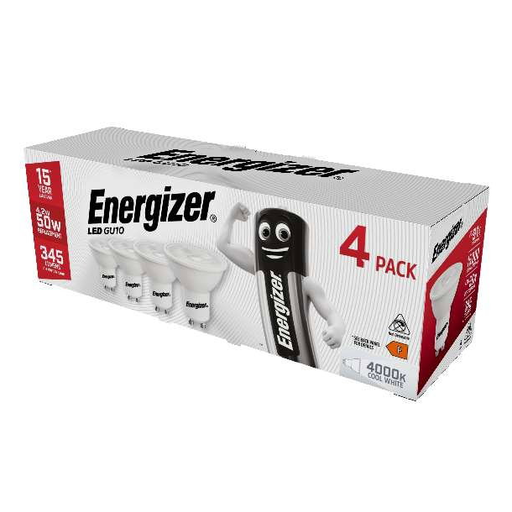
Why This Fits Their Persona: A four-pack of standard GU10 bulbs suits tenants and homeowners replacing several existing lamps without changing the entire fitting.
The listing specifies a GU10 base, 345 lumens, 4,000K colour temperature and non-dimmable operation, helping buyers check compatibility before ordering.
Standard twist-and-lock fitting; instant 345-lumen output; frosted lens for a more even beam.
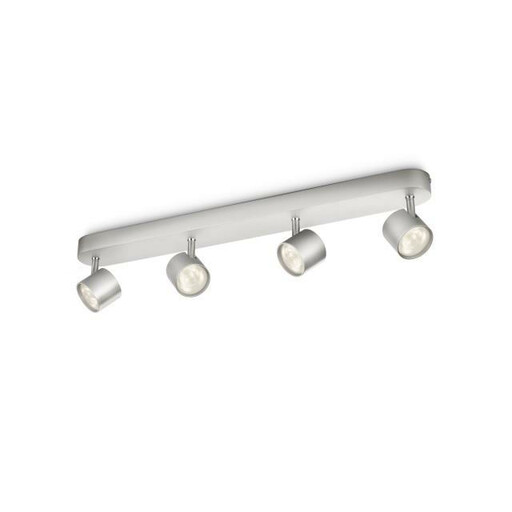
Why This Fits Their Persona: This four-head fixture is suited to homeowners planning a more coordinated ceiling or wall lighting arrangement in a dry indoor room.
Its four adjustable heads help direct light, while the stated dimming range runs from 100% down to 10%. It is specified for dry environments.
Metal construction; adjustable spot heads; warm white dimmable lighting for changing room requirements.
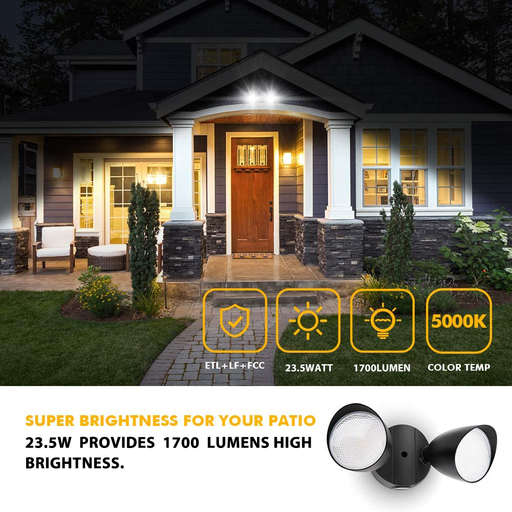
Why This Fits Their Persona: A practical option for driveways, garages, patios and entrances where two directional beams are more useful than a single indoor bulb.
The listing identifies outdoor use and IP54/IP65 weather resistance. Each head rotates through 360 degrees, allowing coverage to be aimed rather than accepted as fixed.
Dual adjustable heads; integrated LED light source; wall-mounted design for outdoor security lighting.
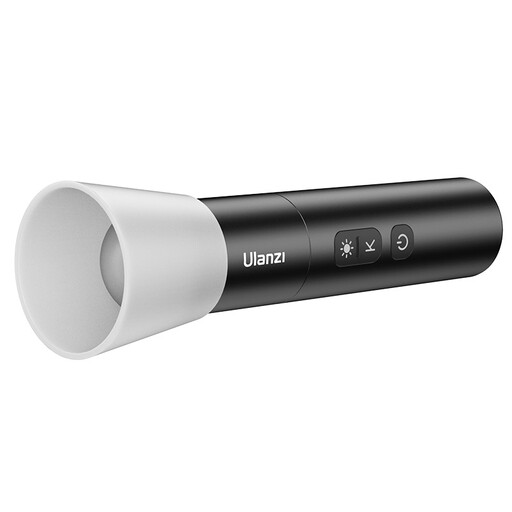
Why This Fits Their Persona: Its portable format suits video production, product photography, livestreams and home studios where light direction changes frequently.
It is not presented as a permanent household fitting. The rechargeable 2,000mAh battery, zoomable beam and selectable 2,000K, 5,500K and 8,000K modes match production use.
USB-C rechargeable design; adjustable beam from floodlight to spotlight; cold shoe and 1/4-inch mounting options.
We have compiled a complete, real-time list of products that fully satisfy these strict selection criteria and UK safety regulations.
LED spotlight bulbs generally use less electricity for a similar stated replacement output, but running cost depends on the bulb’s wattage, daily usage and electricity tariff. To compare products, multiply wattage by hours used and your unit rate. A lower-wattage bulb is not automatically suitable if its lumen output is too low for the space.
Usually, a GU10 LED bulb fits a GU10 twist-and-lock socket, but check the lamp dimensions, transformer arrangement and enclosed-fitting instructions first. Turn off the power before replacement. If the fitting is damaged, wired unusually or requires electrical alteration, ask a qualified electrician.
Warm white spotlights around 2,700K are commonly chosen for relaxing rooms. Cool white around 4,000K can suit kitchens, bathrooms and work areas. Daylight bulbs around 6,500K are more task-focused and may appear stark in a lounge. For flexibility, smart spotlights can provide scheduled or adjustable colour settings, provided your Wi-Fi and app requirements are compatible.