
24/7 Customer Support

Free returns

Same-day & Next-day Delivery

Quality Guaranteed

Unlock Your Welcome Offers: FREE Delivery | Up to 80% OFF | Free 30-day JoyPlus trial
Download the APP
A dependable LED torch can be useful during a power cut, on a dark walk home, beside a vehicle or while working in a shed. However, product listings often make comparisons harder than they need to be. A high lumen figure does not automatically mean a useful beam, and a low price may hide ongoing battery costs or limited weather resistance.
This guide from the Joybuy Product Recommendation Officer explains the specifications that matter, common buying traps and suitable options for different UK lifestyles.
Lumens describe the total amount of visible light produced, but not how that light is distributed. A high-lumen flood beam can illuminate a broad area, while a focused spotlight may be more useful for viewing a distant gate, trail or roadside hazard.
Also check beam distance, measured in metres, and whether the torch offers separate flood, spot or combined modes. For general household use, excessive output may add bulk, heat and charging requirements without improving usability.
Terms such as “waterproof torch” are often used casually. The IP rating gives more useful information:
An IP rating does not mean a torch is suitable for every situation, nor does it cover damage to an open charging port. Close USB covers properly and follow the product instructions.
A torch that uses disposable batteries may be convenient for emergency storage, but regular users should calculate replacement costs and keep spare cells available. A rechargeable LED torch can be more practical for frequent use, particularly where it supports a familiar USB-C rechargeable torch cable.
Check whether the battery is included, how the torch charges and whether the stated runtime applies only to a low-light mode. High-output operation normally reduces runtime and can produce heat.
Choose according to the task rather than the largest number in the listing.
A long-range torch with a narrow beam is not necessarily suitable for close-up work. A torch with flood, spot and combined settings offers more flexibility. Red light can help preserve night vision, while a side light may be convenient for hands-free tasks.
Look for runtime information at more than one brightness level. A claim such as “up to several months” may refer to a very low moonlight setting rather than normal use. For a vehicle or home emergency torch, consider:
An EDC torch should balance runtime with weight and pocket size. A camping torch or emergency torch can reasonably be larger if it provides longer operation or greater control.
Aluminium bodies are common because they offer a relatively light, rigid housing. Look for a textured or ribbed grip, a clip, lanyard or magnetic base if the torch will be used during repairs or inspections.
Controls also deserve attention. A complicated sequence of button presses can be inconvenient in an emergency. Rotary selectors, dedicated mode switches and lockout functions may help prevent accidental activation in a pocket or bag.
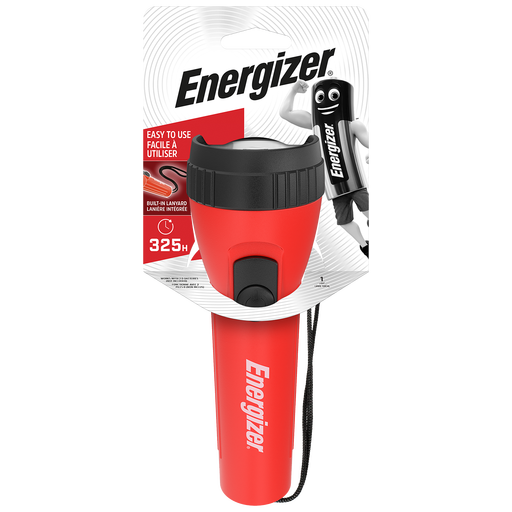
Why This Fits Their Persona: A straightforward choice for households, sheds, garages and emergency drawers where simple operation matters more than rechargeable features.
Its stated 25-lumen output and 45-metre beam distance set realistic expectations, while the two D-cell design is easy to understand. Batteries are not included, so they must be budgeted for separately.
Push-button operation, ribbed grip and stated runtime of up to 325 hours with two D batteries.
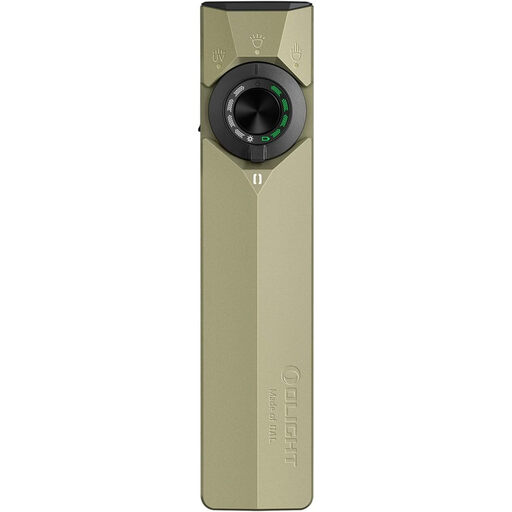
Why This Fits Their Persona: Its flat 124 mm profile and 120 g weight suit commuters, tradespeople and night-walk users who want an EDC torch with more than one type of light.
The product lists separate flood, spotlight, UV and green-light functions, rather than relying on one brightness figure. It also specifies IPX7 water resistance and USB-C plus magnetic charging.
Up to 1,700 lumens, 205-metre stated beam distance, built-in rechargeable battery and magnetic mounting base.
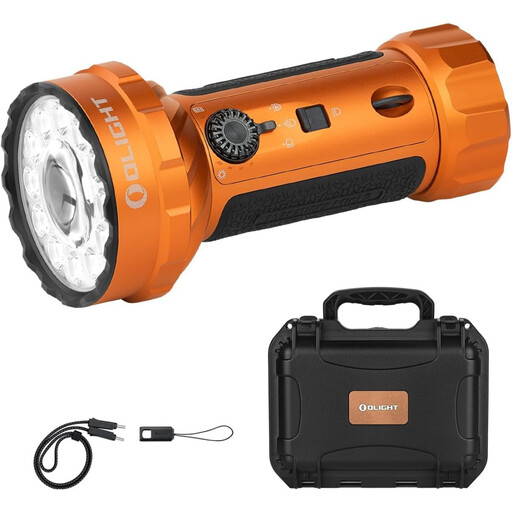
Why This Fits Their Persona: This compact powerful torch is suited to users who prioritise high output, multiple beam types and a durable aluminium body for demanding outdoor use.
The specification separates floodlight output from spotlight distance: up to 10,000 lumens and a stated 750-metre throw. Its runtime is listed as up to 150 minutes in high mode, making the trade-off clearer.
Five lighting configurations, IPX8 rating, 1-metre stated drop resistance and USB-C plus magnetic charging.
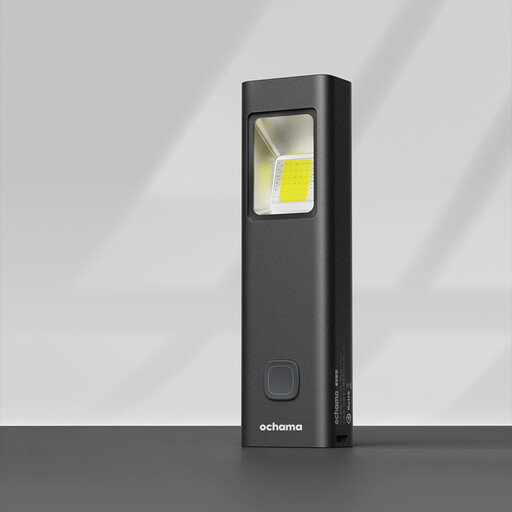
Why This Fits Their Persona: A practical option for home emergencies, cycling, camping and vehicle storage, especially where mounting and carrying accessories are useful.
Its seven lighting modes provide more flexibility than a single-output torch, while the supplied Type-C cable makes the charging arrangement clear. Check the product page for detailed output and runtime information before purchase.
Includes a free Type-C charging cable, lanyard, clip and bicycle strap for varied home and outdoor use.
Keep high-intensity beams away from eyes, children and reflective surfaces at close range. Do not use a torch in an explosive atmosphere unless it is specifically certified for that environment. If the body becomes hot during high-output use, reduce the brightness and allow it to cool.
For rechargeable models, use the supplied or specified charging accessories. Inspect USB covers, charging contacts and battery compartments periodically. For an emergency torch stored for months, check its charge or battery condition at regular intervals rather than waiting for a power cut.
We have compiled a complete, real-time list of products that fully satisfy these strict selection criteria and UK safety regulations.
It can be, particularly when used frequently, because it reduces purchases of disposable batteries. The overall cost depends on the torch price, battery capacity, charging frequency and battery lifespan. For occasional emergency use, a disposable-battery model may still be convenient if spare batteries are stored correctly.
For short walks around a familiar area, a few hundred lumens may be sufficient. Camping, hiking and vehicle checks may benefit from a higher-output torch with adjustable brightness and a wider flood beam. A high-lumen torch is not automatically more suitable, so also compare beam pattern, controls and runtime.
Choose a model that is easy to locate and operate, then check its batteries or charge periodically. A torch with a clear low-battery indicator, practical runtime and a secure grip is generally more useful during a UK power cut than one selected solely for its maximum brightness.