
24/7 Customer Support

Free returns

Same-day & Next-day Delivery

Quality Guaranteed

Unlock Your Welcome Offers: FREE Delivery | Up to 80% OFF | Free 30-day JoyPlus trial
Download the APP
A torch can look simple until it fails when you need it. A high lumen number may sound impressive, but it does not always tell you how far the beam reaches, how long the battery lasts or whether the torch is comfortable to carry. Families, walkers and campers can also waste money by choosing a light that is unsuitable for children, difficult to recharge or poorly protected against rain.
Before buying LED torches, watch for these common pitfalls:
Lumens indicate the light output, but they do not independently define how useful a torch will be outdoors. A narrow beam can project further, while a wider beam can illuminate a nearby path or work area.
For household use, dog walking and finding items in a car, a compact torch with a modest output may be sufficient. A camping torch or hiking torch should also be judged by its beam range, grip, switch design and available modes. If the product lists several brightness settings, check whether the stated runtime applies to the highest mode or a lower setting.
A head torch is particularly useful when walking, setting up a tent or carrying out DIY tasks because it leaves both hands free. Look for an adjustable strap, a stable lamp angle and controls that can be operated while wearing gloves.
A USB rechargeable torch can be convenient for regular users, especially if it charges through USB-C or has an integrated charging plug. Check the approximate charging time, whether a cable is included and whether the charging port has a protective cover.
Battery-powered torch models remain practical for emergency cupboards, children’s activities and occasional use. Included batteries can make a six-pack of mini LED torches convenient for parties, camping groups or family members. For long-term storage, remove disposable batteries where the instructions recommend it to reduce the risk of leakage.
A rechargeable model is not automatically more suitable. Consider whether you can remember to charge it, whether you need a light to remain stored for months and whether you want to carry spare batteries on longer trips.
Aluminium bodies can provide a lightweight feel and a more substantial structure, while plastic or rubberised bodies may be easier for children to grip. Check dimensions and weight carefully: a pocket torch measuring only a few centimetres may be convenient for a keyring, but it will have less space for a large battery or extended controls.
For products used outdoors, look for a clearly stated IP rating. The first digit relates to protection against solid objects, while the second relates to water protection. An IPX6 rating, for example, indicates a stated level of protection against powerful water jets, but it should not be treated as permission to submerge the product unless the instructions say so.
For a kids’ torch, supervise use and keep batteries and detachable parts away from young children. Do not allow anyone to shine a torch directly into another person’s eyes. UK buyers should also check product instructions, supplier information and relevant conformity markings where applicable, particularly when purchasing electrical goods or products containing rechargeable batteries.

Why This Fits Their Persona: Six assorted-colour torches suit families, parties, group camping and households that want several small lights rather than one larger torch.
The stated 20-lumen output and 15-metre range provide clearer expectations than an unspecified brightness claim. Three AAA batteries per torch are included.
Each torch is listed at 9.5cm and 38g, with a simple ON/OFF button, lanyard and 18 AAA batteries supplied across the pack.
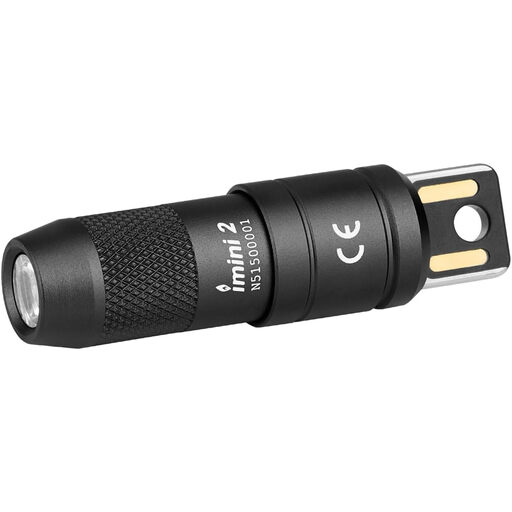
Why This Fits Their Persona: Its compact format is designed for everyday carry on a keyring, belt loop, handbag or in a pocket.
The product listing specifies a 50-lumen maximum output, 21-metre throw distance, approximately 60-minute charge time and IPX6 rating.
The built-in USB plug removes the need for a separate charging cable, while the magnetic cap supports hands-free positioning on ferrous surfaces.
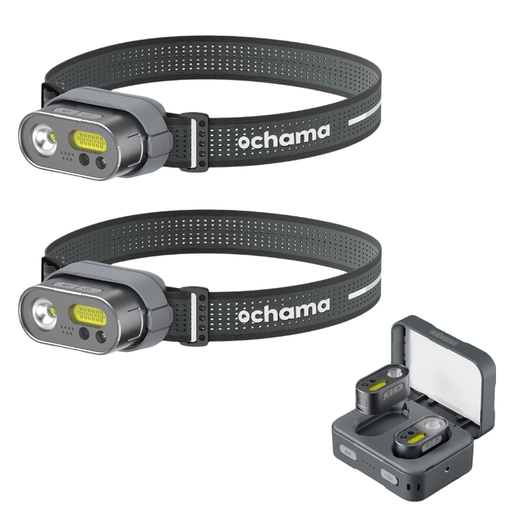
Why This Fits Their Persona: Campers, hikers, anglers and DIY users can keep both hands available while wearing one of the two supplied headlamps.
The set includes a base, strap, Type-C charging cable and charging box, giving buyers clearer information about the charging arrangement and included accessories.
Smart gesture-sensor dimming supports hands-free adjustment, and two headlamps allow a spare unit or shared use.
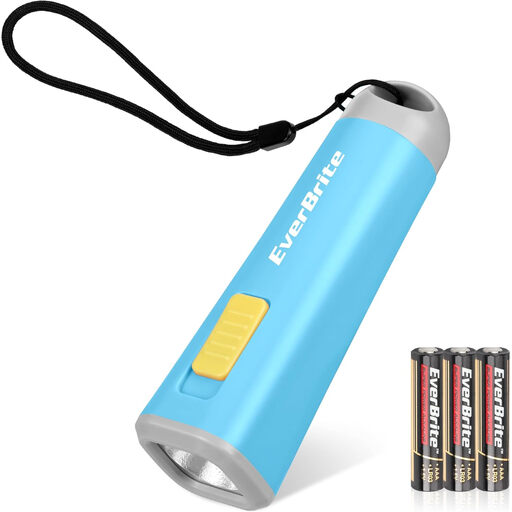
Why This Fits Their Persona: Families seeking a lightweight kids’ torch for reading, camping, walks or emergency household lighting may prefer its straightforward design.
Its listed weight is approximately 46g, with a non-slip matte surface and a stated 25–30-lumen output rather than an undefined “super bright” description.
Three AAA batteries are included, and the soft yellow LED is intended for reading and general illumination. Follow the age and eye-safety warnings supplied with the product.
We have compiled a complete, real-time list of products that fully satisfy these strict selection criteria and UK safety regulations.
They can reduce the need to buy disposable batteries for frequent use, but the total value depends on charging habits, battery capacity and product lifespan. For occasional emergency use, disposable batteries may be convenient because they can be stored separately and replaced quickly.
LED light sources generally have long operating lives, but the useful life of a complete torch also depends on the battery, charging port, switch, seals and physical treatment. Keep rechargeable torches charged according to the instructions, protect charging contacts and avoid storing any torch in damp or extreme conditions.
A head torch can be practical for evening walks, campsites and hiking because it provides hands-free outdoor lighting. Before setting out, check the strap fit, charging level or spare batteries, weather-resistance information and whether the beam offers enough coverage for the route. For children, choose a suitable size and supervise use around roads, water and uneven ground.