
24/7 Customer Support

Free returns

Same-day & Next-day Delivery

Quality Guaranteed

Unlock Your Welcome Offers: FREE Delivery | Up to 80% OFF | Free 30-day JoyPlus trial
Download the APP
A torch is easy to buy, but choosing the right one involves more than comparing brightness figures. UK households use portable lighting for power cuts, dog walks, camping, cycling, DIY, car breakdowns and children’s activities. The wrong design may be uncomfortable to carry, expensive to keep supplied with batteries or unsuitable for wet weather.
This guide explains the practical details to check before buying LED torches, followed by our top recommendations for different types of user.
Lumens indicate the amount of visible light produced, but they do not tell you how far the beam travels, how wide the beam is or how long the torch will operate. A high-output LED torch may be useful for outdoor distances, while a lower-output torch can be more suitable for finding a fuse box or walking around a tent.
Also check whether the stated brightness refers to a maximum setting, as the runtime may be shorter at full power.
Some listings use phrases such as “outdoor-ready” without providing a recognised ingress rating. If you expect to use a torch in British rain, look for a stated rating such as IPX4. This generally indicates protection from splashing water, but it does not mean the torch can be submerged. Where no rating is provided, keep the product away from heavy rain and standing water.
Battery-powered torches can be convenient, particularly when batteries are supplied. However, check the exact battery type and quantity. A product requiring unusual cells may be less practical than one using common AA or AAA batteries.
Rechargeable models reduce the need for regular battery replacement, but they need charging before use and should be stored with sufficient power. For emergency kits, a sensible approach is to keep both a rechargeable device and a simple battery-powered torch.
For household tasks, 20–50 lumens may be sufficient. A torch with 400 lumens can provide more illumination for outdoor or vehicle use, but higher brightness is not automatically more useful in every situation.
Beam adjustment is valuable when you need to switch between a focused spot for distance and a wider beam for nearby work. Multiple modes, such as low, high, strobe or SOS, can also improve flexibility. However, complicated controls may be inconvenient during a power cut, so consider whether a simple button is more suitable.
Aluminium bodies can offer a firm, lightweight feel, while rubberised or ribbed sections may improve grip. A compact 90–95mm torch can fit a pocket, drawer or emergency bag, whereas a larger handheld torch may be easier to hold for extended periods.
For keyring torches and children’s activities, weight matters. Lanyards can help prevent loss, but small batteries and accessories should be kept away from young children because of the swallowing risk. Do not shine LED torches directly into anyone’s eyes.
Check whether batteries are included, how many each torch uses and whether the stated runtime depends on a particular setting. Some multi-pack torches include batteries pre-installed, which is convenient for parties, classrooms or group camping trips.
A rechargeable handheld fan can also provide portable light while charging other devices, but it is a different type of solution from a dedicated torch. Consider whether you need a narrow beam, general illumination, cooling or backup power.

Why This Fits Their Persona: A practical choice for households wanting several compact torches for drawers, bags, children’s activities, camping or evening walks.
The six torches use a simple on/off button and include 18 AAA batteries, avoiding complicated controls and an immediate extra battery purchase.
20-lumen output, approximately 15-metre beam range, assorted colours and one lanyard included.
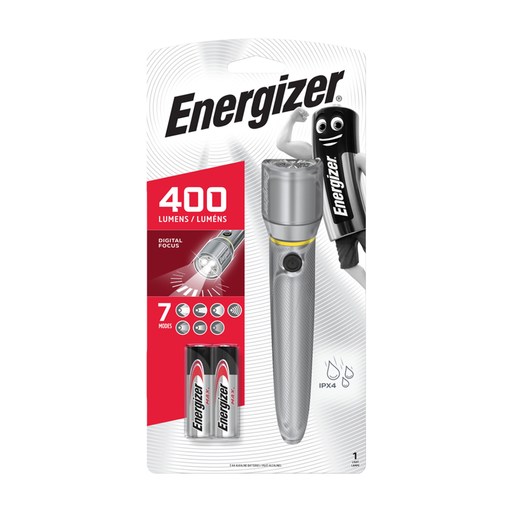
Why This Fits Their Persona: Suitable for users wanting a metal-bodied torch for home maintenance, vehicle kits, cycling or outdoor activities.
The listing provides specific brightness levels, beam adjustment and an IPX4 rating rather than relying only on broad outdoor marketing language.
Three beam modes, digital focus adjustment, 400-lumen high mode and two AA batteries included.
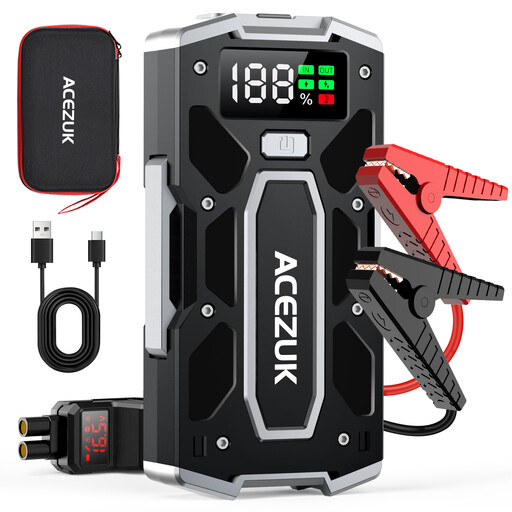
Why This Fits Their Persona: Designed for drivers who want emergency power, vehicle support and illumination in one roadside device.
The LCD display shows battery and temperature information, while the stated vehicle limits help buyers check compatibility before use.
8000A rating, two USB outputs, LCD display and four LED modes including warning and SOS.
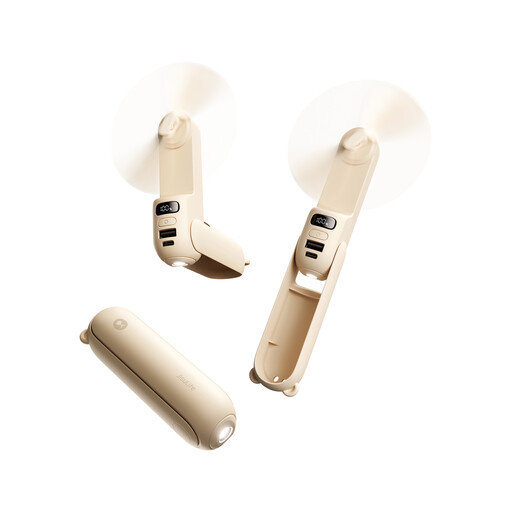
Why This Fits Their Persona: Useful for summer travel, festivals, commuting and compact packing where cooling, charging and light are all helpful.
Its display shows fan speed and remaining battery, helping users avoid unexpectedly losing power during travel.
2500mAh rechargeable battery, up to 24-hour stated operation, three fan speeds and power-bank function.
We have compiled a complete, real-time list of products that fully satisfy these strict selection criteria and UK safety regulations.
Rechargeable torches can reduce ongoing battery purchases and are convenient for regular use. Battery-powered torches are useful for emergency storage because spare AA or AAA batteries are widely available. For a household emergency kit, check the charge or battery condition periodically and avoid storing batteries in excessive heat.
The LED component can operate for a long time, but overall lifespan depends on battery leakage, switch wear, impact and moisture exposure. Remove batteries from torches that will be stored for extended periods, especially in emergency boxes or vehicles.
For indoor navigation and basic household tasks, 20–50 lumens may be adequate. Camping torches used around a pitch may benefit from a wider beam, while hiking or roadside use may call for higher output and adjustable focus. Compare beam distance, runtime and weather resistance alongside lumens rather than choosing by brightness alone.