One-bowl solo cook
If you want fresh leek and potato soup without storing the rest, a single-serve machine is the closest match. Justme specifies a 300ml capacity and publishes a recipe sized for its appliance.


Choose a 300ml single-serve soup maker if you want one fresh bowl of leek and potato soup without planning for leftovers: Justme specifies that capacity and publishes a recipe for its machine. A compact 1L maker makes more sense if you welcome another portion, while larger models are worth considering for batch cooking or particular convenience functions. Whatever the size, check the recipe quantities and the model’s fill limits before making a small batch.
If you want fresh leek and potato soup without storing the rest, a single-serve machine is the closest match. Justme specifies a 300ml capacity and publishes a recipe sized for its appliance.
If a second meal is useful, consider a compact 1L maker rather than assuming you need a single-serve model. Lakeland describes its 1L machine as making two meal-sized portions; Morphy Richards describes its 1L model as making approximately three.
If texture settings, keep-warm or cleaning functions matter more to you than one-bowl output, compare those functions on the exact model. Tefal’s 1.2L Easy Soup, for example, has smooth and chunky settings and an easy-clean programme, but is positioned for multiple servings.
Decide whether you want one bowl or planned leftovers before comparing programmes: a machine described as compact may still make several portions.
Choose it when: You want one fresh bowl; Justme specifies 300ml and provides a leek-and-potato recipe using 200ml stock.
Trade-off: The small vessel leaves little room for batch cooking, and the completed recipe must stay below its MAX line.
Choose it when: You would use another serving; Lakeland describes two meal-sized portions from its 1L model, while Morphy Richards describes approximately three from its own.
Trade-off: It is a planned-leftovers choice, not necessarily a machine for cooking just one bowl.
Choose it when: You expect to use batch capacity or functions such as sauté, keep-warm or an automatic cleaning programme.
Trade-off: Tefal positions its 1.2L Easy Soup for up to four servings, while Morphy Richards positions its 1.6L Total Control for families or meal preparation.
| Concern | What to check | Who this matters to |
|---|---|---|
| One fresh bowl | Compare working capacity and recipe quantities; check that stock and diced vegetables remain within the model’s fill limits. | I want to eat the soup fresh without finding room for leftovers. Around 50% of consumers put one-bowl output first. |
| A second serving | Check the stated serving yield and whether the model has a smooth programme for the texture you want. | Cooking once for another meal saves me making a new batch, even if the machine produces more than one bowl; for around 30% of consumers, that flexibility is the main priority. |
| Less active work | Compare the exact model’s texture programmes and cleaning instructions; consider sauté only if you intend to use it. | I would accept extra soup if the programmes and clean-up fitted my routine. Ease of use comes first for around 20% of consumers. |
A compact jug can still make multiple portions. Lakeland describes two meal-sized portions from its 1L model, whereas Justme describes its 300ml machine as one bowl.
If avoiding leftovers is your priority, compare working capacity and an appliance-specific recipe rather than relying on the word compact.
Stock is only part of a leek-and-potato recipe: the vegetables must fit too. Justme’s published recipe calls for 200ml stock and warns against filling above the MAX line.
Start with the manufacturer’s quantities, prepare the vegetables as directed and keep the completed mixture within the marked limit.
A cleaning programme does not replace the exact model’s instructions for its lid, blades and electrical parts.
Check which parts still need rinsing or manual cleaning, and follow the manual’s directions for handling hot components.
Morphy Richards positions its 1.6L Total Control for families or meal preparation; its sauté and reheat functions do not make it a single-serve machine.
Choose a larger, feature-led model if you expect to use its batch capacity or want to sauté ingredients in the jug. Otherwise, start with the portion size you normally make.
These examples show how particular product lines differ; the capacity and functions of one model should not be assumed to apply to every machine from the same brand.
A dedicated one-bowl option for cooks who would rather make fresh soup than plan around leftovers.
Offers a compact 1L model as well as a larger 1.6L Total Control model with additional cooking functions.
Its Easy Soup BL841140 focuses on automatic texture settings and convenience functions.
Its Compact Soup Maker is a 1L jug-style option for someone happy to make more than one portion.
These models are choices for smooth soup when you are willing to make extra portions rather than insisting on a single fresh bowl. Check the exact model’s minimum-fill instructions before planning a smaller recipe.
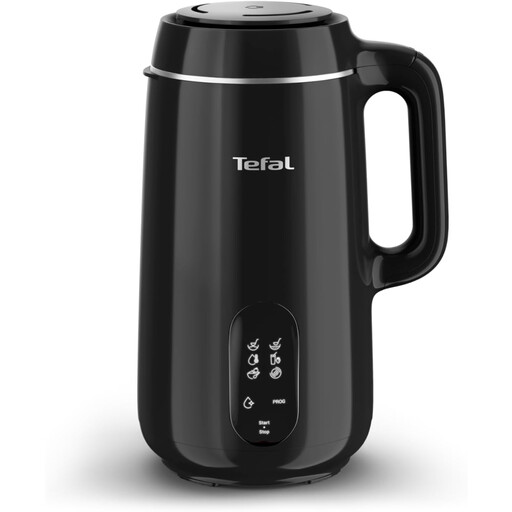 No image available
Consider this for smooth leek and potato soup if you are happy to make extra portions; check the minimum-fill instructions before trying a one-bowl recipe.
The listed variant has six programmes and six blades.
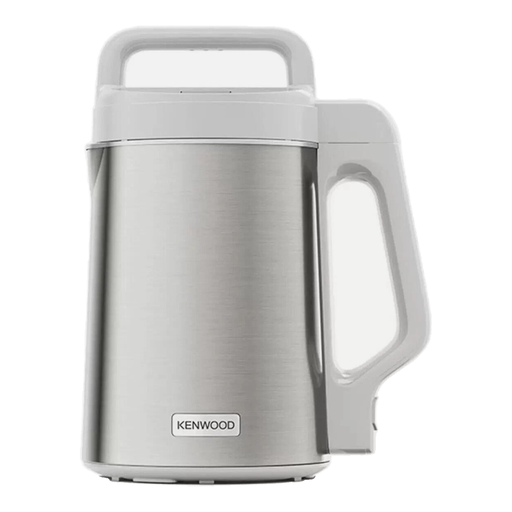 No image available
Consider this for a larger batch of smooth soup rather than a strict single serving; check the model’s minimum-fill instructions before reducing a recipe.
Follow the cleaning instructions for removable parts rather than assuming a cleaning cycle takes care of every component.
Yes: Justme publishes a leek-and-potato recipe for its 300ml machine using chopped leek, two small diced potatoes and 200ml stock, followed by its 19-minute smooth programme. Keep the complete mixture below the machine’s MAX line.
Not if you want leftovers, but do not assume it will cook just one bowl. Lakeland describes its 1L model as making two meal-sized portions, while Morphy Richards describes approximately three from its 1L model; check the minimum-fill instructions before reducing a recipe.
No: Justme’s published leek-and-potato recipe uses a smooth programme without calling for a sauté step. A sauté function is worth considering if you want to cook aromatics in the jug before adding the remaining ingredients, as Morphy Richards describes for its Total Control model.
Follow the exact model’s manual for fill limits, hot surfaces, steam, blades and cleaning. For Justme’s leek-and-potato recipe, that includes keeping the ingredients below the MAX line; do not assume another machine has the same quantities or handling instructions.