One-pot flavour builders
If you usually soften leeks, onions or garlic before making soup, a model with an in-jug sauté function lets you do that step without transferring the ingredients from a frying pan.


Choose a soup maker with an in-jug sauté function if you want to soften leeks before adding potatoes and stock without using a separate pan. If straightforward smooth or chunky programmes matter more, consider an automatic model; if you also want hot-and-cold blending, compare heated blenders using their hot-soup capacity rather than their cold capacity.
If you usually soften leeks, onions or garlic before making soup, a model with an in-jug sauté function lets you do that step without transferring the ingredients from a frying pan.
If you make soup for a shared meal or plan leftovers, compare how much hot soup the appliance can hold in one cycle, not just its headline jug capacity.
If you mainly want a smooth leek and potato soup with fewer manual steps, look at the available programmes and what the cleaning cycle actually does.
For leek and potato soup, decide whether cooking the leeks in the jug or making enough portions in one cycle matters most. Then compare texture programmes and the cleaning required after use.
| Concern | What to check | Who this matters to |
|---|---|---|
| In-jug sautéing | Check that the exact model has a sauté function suitable for leeks or other aromatics, and follow its liquid and fill guidance. | If I like to soften leeks before adding stock, I want to do it in the same jug rather than wash another pan. Around 45% of consumers put that one-jug step first. |
| Usable batch size | Compare the hot-soup capacity or marked maximum fill level; check the appliance dimensions if storage space is limited. | When I cook for several people or save portions for later, the amount of hot soup made per cycle shapes my choice. For around 33% of consumers, batch size is the primary concern. |
| Programmes and cleaning | Look for the texture programmes you want and check which parts still need cleaning by hand. | If I usually want smooth soup, I would rather select a programme and keep the washing-up manageable than adjust the texture myself. Ease of preparation comes first for around 22% of consumers. |
Hot and cold limits can differ. The Ninja HB150UK is listed with a 1.7L cold capacity but a 1.4L hot capacity, so the larger figure is not the one to use when planning soup portions.
Compare the stated hot capacity and the maximum-fill marking before deciding whether a batch will be large enough.
Sautéing depends on the model. Morphy Richards describes the function on its researched 501014 and 501020 models, while Joybuy describes it on the Tower T12069; Tefal’s Easy Soup BL841140 information centres on automatic soup programmes.
If softening leeks in the jug is part of your recipe, confirm a dedicated sauté function on the exact model before buying.
Morphy Richards UK Support identifies overfilling and thick ingredients as possible causes of cut-outs or blending problems. Potatoes and leeks also need to be prepared according to the instructions for the appliance you choose.
Stay below the marked fill limit, use the liquid amount specified for the programme and follow the manual’s guidance on cutting vegetables.
A keep-warm setting should not be assumed to reheat chilled leftovers thoroughly. GOV.UK’s food-business guidance distinguishes reheating food from merely warming it.
Use a soup maker to reheat leftovers only if its instructions permit it, and ensure the soup is steaming hot throughout.
These examples describe particular soup-maker models and ranges, rather than features shared by every appliance from each brand.
Morphy Richards UK describes 1.6L soup makers, including researched 501014 and 501020 models with in-jug sautéing for aromatics.
Tefal positions the researched Easy Soup BL841140 as a 1.2L automatic soup maker for smooth or chunky soup.
The Ninja HB150UK is a heated blender and soup maker for people who also want hot-and-cold blending tasks.
Joybuy lists the Tower T12069 as a 1.6L soup maker with a sauté function.
These automatic soup makers are relevant if you want a programme-led way to make leek and potato soup. If your recipe depends on softening leeks in the jug first, check the exact model’s sauté functions before choosing.
 No image available
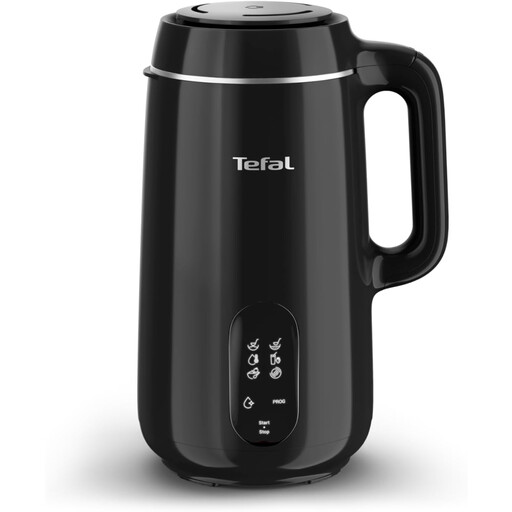
Consider this model if automatic soup preparation is more important to you than an in-jug sauté step. Its product name specifies six programmes and six blades; check the hot-soup fill level against the batch you usually make, and confirm its sauté functions if you want to soften leeks in the jug.
 No image available
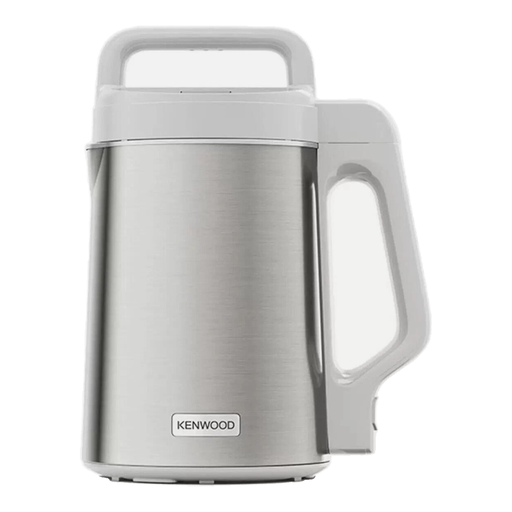
Consider this model if you want automatic soup preparation and are weighing up batch size. The product name states a 1.5L capacity; confirm its usable hot-soup fill level before planning portions, and check its sauté functions if one-jug leek preparation matters to you.
No. Choose one if you want to soften leeks in the cooking jug rather than use a separate pan. Morphy Richards describes sautéing on its researched 501014 and 501020 models, and Joybuy lists it for the Tower T12069; check the function on whichever exact model you are considering.
Choose a hot-soup capacity that fits the portions you usually make, allowing for the marked maximum-fill level. The researched Morphy Richards models are listed at 1.6L and Tefal Easy Soup BL841140 at 1.2L; the Ninja HB150UK is listed with a 1.4L hot capacity and a 1.7L cold capacity.
Follow the preparation and filling instructions for your exact appliance. Tefal’s Easy Soup guidance says to add liquid before solid ingredients, stay below the MAX line and cut food into pieces no larger than 2–3 cm for best results.
Only use the appliance for reheating if its instructions permit it, and make sure the soup becomes steaming hot throughout rather than merely warm. GOV.UK’s food-business guidance distinguishes reheating from warming and advises reheating food only once; do not treat a keep-warm programme as proof that chilled soup has been thoroughly reheated.