
24/7 Customer Support

Free returns

Same-day & Next-day Delivery

Quality Guaranteed

Unlock Your Welcome Offers: FREE Delivery | Up to 80% OFF | Free 30-day JoyPlus trial
Download the APP
Choosing among LEGO building sets can be harder than expected. A colourful box may suggest hours of play, while the actual model may be too difficult for a young child, too small for a collector’s shelf or lacking the features a vehicle enthusiast wants.
Parents, gift buyers and adult fans can avoid disappointing purchases by checking three details before ordering: the recommended age, the type of building experience and the finished model’s size and purpose.
A higher number of pieces does not automatically mean a more enjoyable set. Some large LEGO sets for adults are designed for detailed display, while smaller LEGO sets for children may offer more interactive play through vehicles, minifigures and accessories.
Piece count is useful for judging project scale, but it should be considered alongside the intended age, model dimensions and available building time.
LEGO sets for children are designed around different levels of dexterity, reading ability and construction difficulty. A set marked 4+ may include Starter Brick elements and simple pictorial instructions. A 10+ or 12+ set can involve more intricate assemblies, smaller components and longer periods of concentration.
Adult-focused sets commonly carry an 18+ recommendation. These are generally intended as display models or detailed hobby projects rather than everyday playthings. Always follow the stated age guidance and small-parts warnings.
A fan of Star Wars, Disney, Harry Potter or Pokémon may enjoy a character model, a scene or a vehicle very differently. For example, an advent calendar offers many small builds, while a LEGO collectible set may focus on one large figure or display model.
Check whether the recipient prefers:
The recommended age is one of the most important buying filters. Sets intended for children aged 4 and over may use larger starting elements and simpler construction steps. Sets for older children and adults can contain many small parts.
Look for the product’s small-parts choking hazard warning, particularly when buying for younger children. Packaging should be fully removed before giving the toy to a child, and adult supervision may be appropriate where the product information advises it.
Piece count helps indicate the likely scale of the project:
These are practical guides rather than fixed rules. A 149-piece Cinderella castle is designed for accessible play, whereas a 757-piece Munchlax figure is intended for adult display despite its lower count than some large children’s sets.
Measure the intended shelf, desk or cabinet before ordering. Some display models are taller than expected, while vehicle models may need considerable length.
For reference, the LEGO Icons Ferrari F2004 & Michael Schumacher measures over 32 cm long, the LEGO Technic Koenigsegg Sadair’s Spear Megacar measures over 59 cm long and the LEGO Harry Potter Hogwarts Castle: East Wing measures over 42 cm high, 32 cm wide and 40 cm deep.
Also check whether the finished model includes a stand, wall-mounting option or movable features. These details affect how the set can be used after construction.
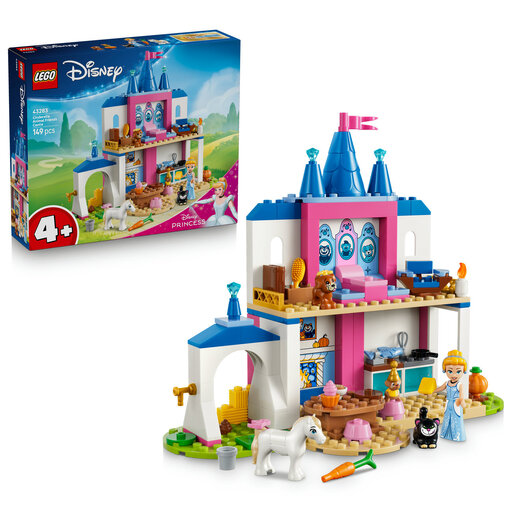
Why This Fits Their Persona: A practical choice for families introducing a child aged 4+ to construction toys, with a manageable 149-piece build and immediate storytelling potential.
The 4+ guidance and Starter Brick elements make the construction level clearer than choosing by character popularity alone.
Includes a two-level castle, a Cinderella mini-doll, four animal figures and accessories for role-play.
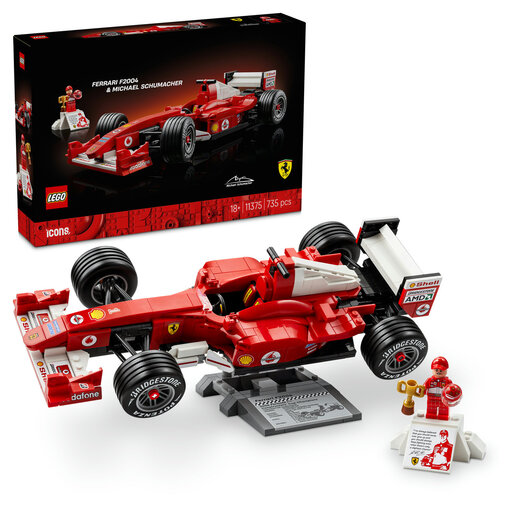
Why This Fits Their Persona: Suits adult motorsport fans who want a structured project that can become shelf or desk décor in a home office or hobby room.
The 18+ recommendation, 735 pieces and stated dimensions provide a clearer indication of scale and intended use than the racing licence alone.
Features working steering, a detailed cockpit, V10 engine, grooved tyres, display stand and Michael Schumacher minifigure.
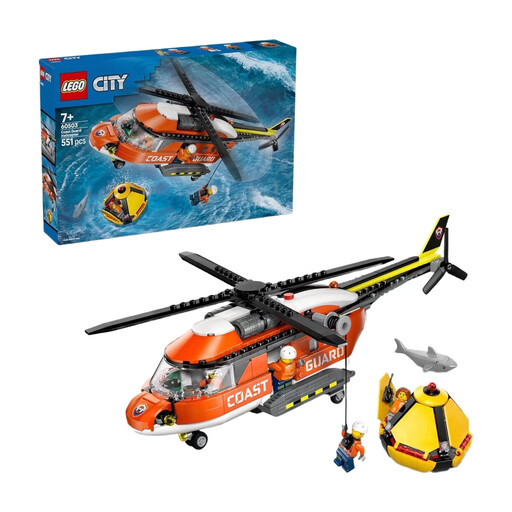
Why This Fits Their Persona: A suitable match for children aged 7+ who prefer active rescue scenarios and repeat play rather than a model intended mainly for display.
The movable rotor blades, rescue winch, minifigures and accessories offer functional play features rather than decorative detail only.
Designed for children from age 7, with rescue-themed equipment and a helicopter format that supports imaginative missions.
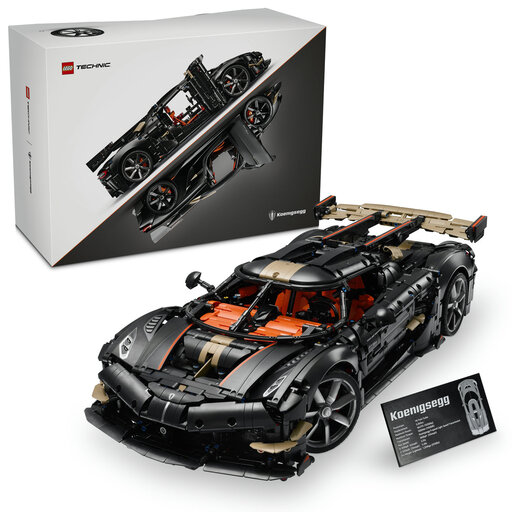
Why This Fits Their Persona: Designed for adult builders, car enthusiasts and collectors seeking a substantial engineering-led project with a large finished display footprint.
Its 4,104 pieces, 18+ guidance and 59 cm length make the commitment clear before purchase, helping prevent an unsuitable impulse buy.
Includes a V8 piston engine, triplex suspension, working steering, 9-speed transmission and coordinated opening functions.
We have compiled a complete, real-time list of products that fully satisfy these strict selection criteria and UK safety regulations.
For fans of licensed characters, LEGO Disney sets and LEGO Disney Princess models can combine display value with imaginative play. LEGO Star Wars sets often focus on vehicles, minifigures and scene recreation, while LEGO Harry Potter sets may suit collectors who want larger locations or decorative models.
LEGO Friends sets are aimed at social storytelling, and LEGO City sets commonly offer realistic vehicles and role-play accessories. For car enthusiasts, LEGO Speed Champions sets provide compact vehicle models, while LEGO Technic sets tend to prioritise mechanical functions. LEGO Icons sets, LEGO collectible sets and LEGO Pokémon sets are generally more suitable when the finished model will be displayed.
Some are. Look for a clear 4+ recommendation, simple instructions and Starter Brick elements. Avoid choosing an adult display model for a young child simply because the character or vehicle is appealing. Small parts can present a choking hazard.
The bricks are intended for repeated assembly and play, but longevity depends on storage and handling. Keep pieces dry, use a lidded container and separate specialised elements from general bricks. Display models should be placed away from direct knocks and areas where they may collect excessive dust.
Many sets do not require batteries. The examples above, including vehicle models, character figures and display builds, are listed as requiring no batteries. Always check the individual product details, particularly for sets with electronic lighting or motorised functions.