
24/7 Customer Support

Free returns

Same-day & Next-day Delivery

Quality Guaranteed

Unlock Your Welcome Offers: FREE Delivery | Up to 80% OFF | Free 30-day JoyPlus trial
Download the APP
Choosing between LEGO toys, building block sets and other construction toys can be harder than expected. A colourful box may look impressive, but the finished model might be too delicate for everyday play, too complex for the intended builder or unsuitable for the available display space.
This guide focuses on the practical details that matter before buying LEGO building sets: age suitability, piece size, build complexity, storage, play value and display dimensions. It also highlights selected options for toddlers, children, hobby builders, collectors and fans of popular themes.
A high piece count does not automatically mean better value. Smaller pieces can create a detailed model, but they may also require more patience and a larger uninterrupted building area. Compare the piece count with the finished dimensions, recommended age and intended use.
For example, a 575-piece train set may offer active role-play, while a 1,015-piece road bike is designed mainly as an adult display model. The right choice depends on whether the recipient wants creative play, a family activity or a collectible LEGO model.
Age labels reflect more than difficulty. Small parts can present a choking hazard, so sets containing standard-size pieces should not be given to children below the stated age. For toddlers aged 2 and over, choose larger DUPLO-style pieces that are easier for little hands to grasp.
Always read the product warning and consider whether adult supervision is appropriate, particularly when younger children are playing near older siblings.
Some building block sets look compact in their packaging but become surprisingly large when assembled. Check the completed dimensions before ordering, especially for models intended for a shelf, desk or display cabinet.
A castle measuring over 42 cm high and 40 cm deep needs considerably more room than a small food truck. Storage also matters: sets with many loose pieces benefit from compartment boxes or reusable containers.
Use the recommended age as a starting point, not a guarantee that every child will find the build easy. Sets for younger children usually have simpler steps and larger components. Models for teenagers and adults may include repeated construction stages, fragile decorative sections or mechanical functions.
For shared family building, digital instructions can be useful. Several LEGO sets in this guide support the LEGO Builder app, which can provide 3D views, progress tracking and, where available, collaborative building features.
For children under 3, look for chunky construction toys specifically designed for toddlers. Standard small pieces are not suitable for this age group. Keep packaging, spare components and partially completed models away from infants and young children.
When buying from a UK retailer, also check that the listing provides clear manufacturer or responsible-person information and appropriate toy safety markings, such as CE or UKCA marking where applicable. These details do not replace reading the age warning and care instructions.
Decide whether the model is mainly for:
This simple distinction helps prevent buying a detailed display building set for a child who wants a robust toy, or a basic play set for an adult collector looking for a long-term project.
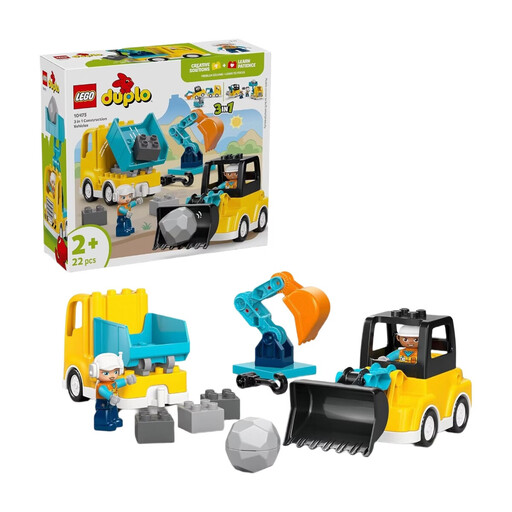
Why This Fits Their Persona: A practical first building set for families introducing construction toys at home. The three vehicle formats provide variety without requiring a large collection.
It is specified for children from age 2 and uses larger pieces, helping avoid the mistake of giving toddlers a small-piece set.
Three construction vehicles, movable wheels and no batteries required.
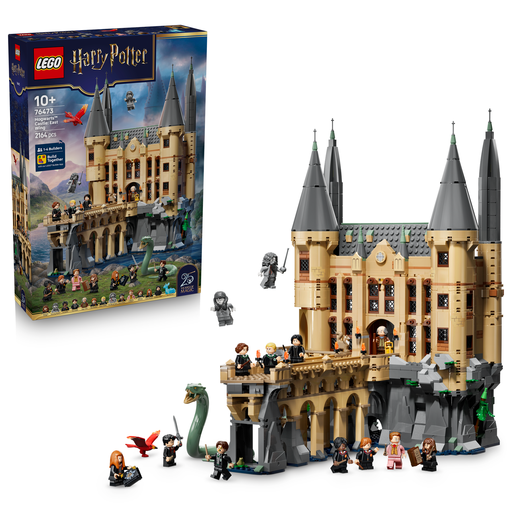
Why This Fits Their Persona: Suitable for Harry Potter fans aged 10 and over who want a substantial themed project with both play features and display potential.
The listing provides a clear piece count, age guide and assembled size, so buyers can judge the commitment before purchase.
Contains 2,164 pieces, 13 minifigures and interactive castle sections including a secret slide.
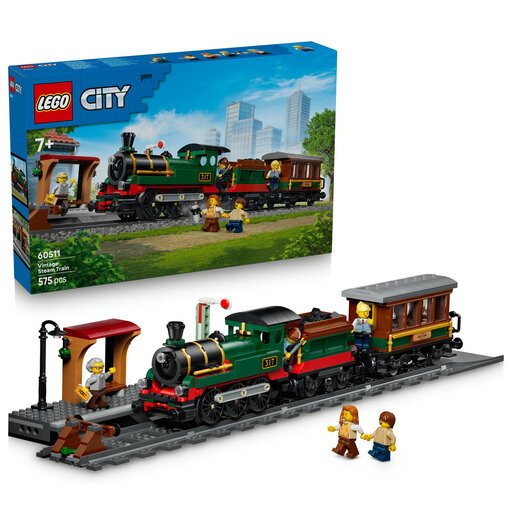
Why This Fits Their Persona: A strong match for children aged 7 and over who prefer active railway role-play rather than a model intended only for display.
The track, station and carriages create a usable play scene, rather than relying on appearance alone.
Includes 575 pieces, a station, signal, track section and five minifigures; optional motorisation is available separately.
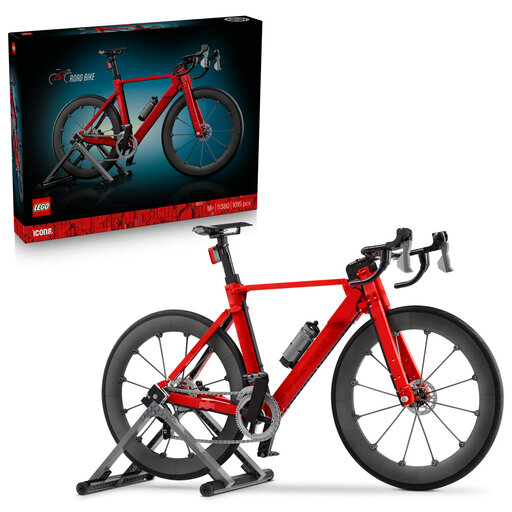
Why This Fits Their Persona: Designed for adult cycling enthusiasts who want a hands-on project that can remain on display in a home office or study.
Its adult age guidance and stated dimensions make it easier to assess the build commitment and shelf requirements.
Contains 1,015 pieces, working steering and pedal-and-chain movement, plus a display stand.
We have compiled a complete, real-time list of products that fully satisfy these strict selection criteria and UK safety regulations.
Some are. Choose products specifically marked for children from age 2, such as chunky DUPLO construction toys. Standard small-piece LEGO toys are not suitable for toddlers because of the choking risk. Adult supervision remains advisable.
Longevity depends on storage, handling and whether the model is repeatedly dismantled. Keep pieces dry and organised, avoid excessive force on decorative sections and retain the instructions for future rebuilding. Sets used for display may remain assembled for longer, while role-play models usually experience more wear.
Many building sets require no batteries and work entirely through manual play. Some trains and interactive models can support optional motor or light accessories. Check the individual product listing before buying if powered functions are important, and remember that optional components may be sold separately.