
24/7 Customer Support

Free returns

Same-day & Next-day Delivery

Quality Guaranteed

Unlock Your Welcome Offers: FREE Delivery | Up to 80% OFF | Free 30-day JoyPlus trial
Download the APP
From a classic still lemonade on a summer’s day to a zesty sparkling lemon drink with your evening meal, the world of lemon drinks is vast and varied. But with so many options on the shelves, it's easy to feel overwhelmed or, worse, end up with a product that doesn't live up to its promise. Many shoppers find themselves disappointed by drinks that taste artificial, are packed with hidden sugars or carry a premium price tag for very ordinary ingredients.
As the Joybuy Product Recommendation Officer, my role is to help you navigate the market. This guide will highlight the common pitfalls to watch out for and break down the key factors to consider, ensuring your next purchase is a refreshing success.
Before you add that bottle or multipack to your basket, be aware of these frequent issues that can lead to buyer's remorse:
To make an informed choice, focus on these three non-negotiable parameters. They will help you find the perfect lemon drinks for your taste, budget and lifestyle.
The single most important factor for an authentic taste is the juice content. Always check the ingredients list for the percentage of lemon juice.
Understanding the sweetener used is crucial for managing both your sugar intake and your taste expectations.
The best format depends entirely on how you plan to enjoy your drink.
To help you find a match, here are a few recommendations for different needs, all of which stand up to scrutiny based on the criteria above.
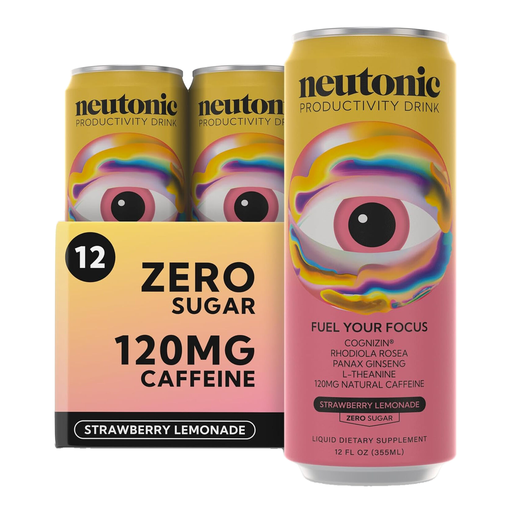
Why This Fits Their Persona: This is for the individual who needs more than just refreshment. It's designed as a productivity drink to support mental focus during demanding workdays, making it a functional choice rather than a simple soft drink.
It completely avoids the hidden sugar trap by being zero-sugar. Its value comes from its functional nootropic ingredients, not just flavour, justifying its position beyond a basic soda.
Delivers a mental alertness boost from 120mg of caffeine without a sugar crash. Contains a blend of L-Theanine, Panax Ginseng and Rhodiola Rosea.

Why This Fits Their Persona: This is the quintessential choice for UK households. It's economical, versatile and the 'no added sugar' formula makes it a reliable staple for daily hydration for both adults and children.
It sidesteps the flavour and sugar traps by putting control in your hands. You dilute it to your preferred strength, and the 10% real lemon juice content ensures an authentic base flavour.
Extremely cost-effective for families. The large 1L bottle provides many servings, and its versatility means it can be used for daily drinks, parties or even flavouring water.
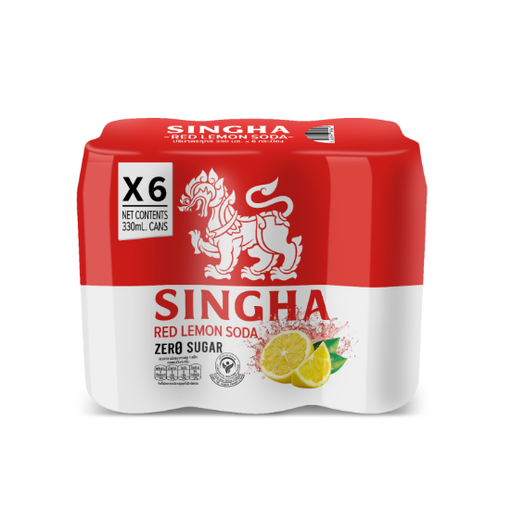
Why This Fits Their Persona: For those tired of the same old lemonade, this Thai soda offers a completely different experience. Its unique flavour profile is perfect for pairing with spicy food or for anyone looking to explore international beverages.
It avoids the "boring premium" trap by offering a genuinely unique product. The flavour comes from a combination of lemon and salak fruit, providing a taste that can't be found in standard UK soft drinks.
Offers a bold and distinct flavour profile with zesty lemon and sweet, berry-like undertones. It is also zero sugar, zero calorie and high in Vitamin C.
We have compiled a complete, real-time list of products that fully satisfy these strict selection criteria and UK safety regulations.
1. What is the difference between 'lemonade' and 'lemon soda' in the UK? In the UK, 'lemonade' traditionally refers to a clear, carbonated, lemon-flavoured soft drink, similar to what is called 'lemon-lime soda' in other countries. 'Lemon soda' is a more general term that can describe any fizzy lemon drink. However, the terms are often used interchangeably, so it's always best to check the product description to understand if it's a classic clear lemonade, a cloudy version made with more juice or something else entirely.
2. How long does lemon squash last once opened? Most lemon squash products, like the Robinsons example, recommend storing them in the refrigerator after opening and consuming them within 3 to 4 weeks. Always check the label for specific storage instructions, as this ensures the flavour and quality are maintained.
3. Are sugar-free lemon drinks a healthier choice? From a calorie perspective, sugar-free lemon drinks are a clear winner as they typically contain negligible or zero calories. This can be beneficial for weight management and for individuals monitoring their sugar intake. They also reduce the risk of sugar-related tooth decay. However, taste is subjective and some people are sensitive to the aftertaste of certain artificial sweeteners. The choice ultimately depends on your personal health goals and flavour preferences.