
24/7 Customer Support

Free returns

Same-day & Next-day Delivery

Quality Guaranteed

Unlock Your Welcome Offers: FREE Delivery | Up to 80% OFF | Free 30-day JoyPlus trial
Download the APP
Choosing lemon drinks in the UK can seem straightforward until you compare concentrated juice, ready-to-drink bottles, sparkling options and instant tea products. The wrong choice may leave you with a drink that is far sweeter than expected, a bottle that must be used quickly after opening, or a juicer that is awkward to clean.
This guide from the Joybuy Product Recommendation Officer focuses on practical details rather than promotional language, helping you select lemon juice, lemon tea, lemon squash or equipment for your actual routine.
A no added sugar lemon drink may still contain naturally occurring sugars or sweeteners. For example, Robinsons No Added Sugar Squash contains sweeteners including aspartame and saccharin, and its label states that it contains a source of phenylalanine. This matters for shoppers who need to avoid particular ingredients.
Always check:
Product names can highlight lemon while the drink contains a relatively small proportion of lemon juice, alongside water, sugar, flavourings or other fruit concentrates. A sparkling kumquat lemon drink may contain several different fruit juices, while a fruit tea may combine lemon with lime, calamansi, black tea or passion fruit.
Read the quantitative ingredient declaration where available. This gives a clearer picture than front-of-pack wording.
A ready-to-drink lemon beverage is convenient, but a large bottle may require refrigeration after opening and consumption within a stated period. Freeze-dried lemon tea is compact and suitable for cupboards, but it needs water and is generally intended to be consumed immediately after preparation.
For sparkling lemon drink cans and bottles, also check the pack size. Smaller cans can be useful for portion control and entertaining, while multipacks may offer greater convenience for families or gatherings.
For cooking, marinades, dressings and cocktails, compare fresh lemon juice, juice from concentrate and NFC juice. Concentrate can be convenient for regular use, but its flavour profile may differ from freshly squeezed juice.
For example, Tropical Sun Lemon Juice 1L lists lemon juice concentrate and filtered water. Pride Lemon Juice From Concentrate is described as suitable for marinades, salad dressings, curries, pancakes, sauces and desserts. These formats are practical when consistent quantities are more important than squeezing fruit for every recipe.
For a flavoured drink, check whether lemon is supported by other citrus ingredients:
Compare nutrition per 100ml rather than per bottle. A 500ml bottle can contain five times the listed per-100ml amount. Master Kong Kumquat Lemon, for instance, lists 7.5g of sugars per 100ml, equating to 37.5g per 500ml bottle according to the supplied product information.
By contrast, Fever-Tree Premium Lemonade lists 4.5g of sugars per 100ml and 18 kilocalories per 100ml. Robinsons No Added Sugar Squash lists 3 kilocalories per 100ml in its provided multipack information, but it is a concentrated squash and should be diluted according to your preferred strength.
If you prefer freshly squeezed juice, a citrus juicer should match your expected volume.
The Bear CZJ-A04B1 Citrus Juicer includes five adjustable pulp levels, a 110mm feed chute and a 24-month warranty. The ochama Electric Citrus Juicer has a 1.4L capacity, 30W motor and removable parts. For occasional lemon juice, a manual press may be more practical than storing a larger electric appliance.
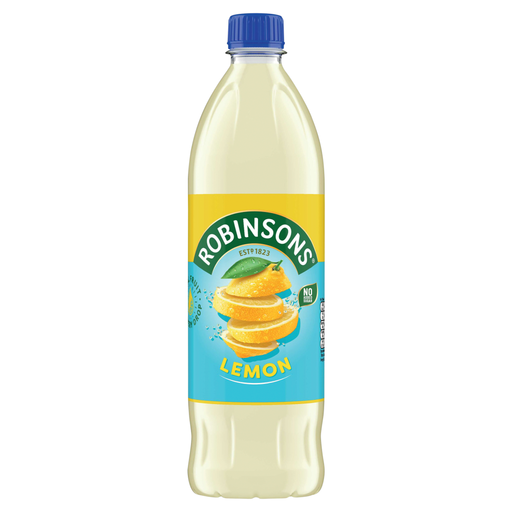
Why This Fits Their Persona: A 1L concentrate can be diluted at home, making it suitable for families, students and shoppers who want flexible serving sizes.
The label identifies it as a squash and provides dilution guidance, helping avoid comparing concentrated drinks directly with ready-to-drink beverages.
No added sugar; 10% lemon juice from concentrate; suitable for refrigerated storage after opening.
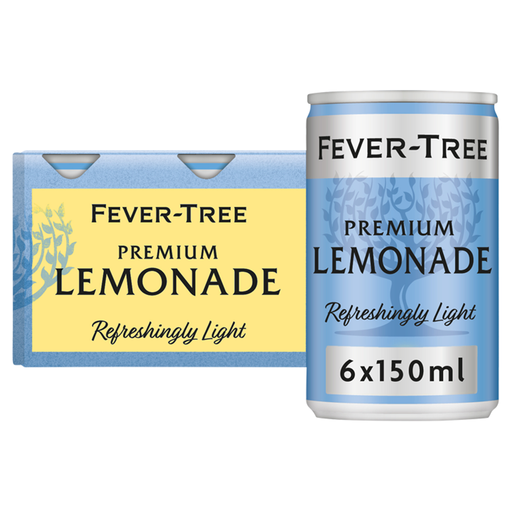
Why This Fits Their Persona: The small cans are convenient for home entertaining and cocktail mixing, with serving guidance based on 150ml of lemonade.
The ingredient list states the lemon juice content, fructose level and absence of artificial flavours or sweeteners, allowing a more informed comparison.
150ml cans; carbonated spring water; designed for serving chilled or mixing with spirits.
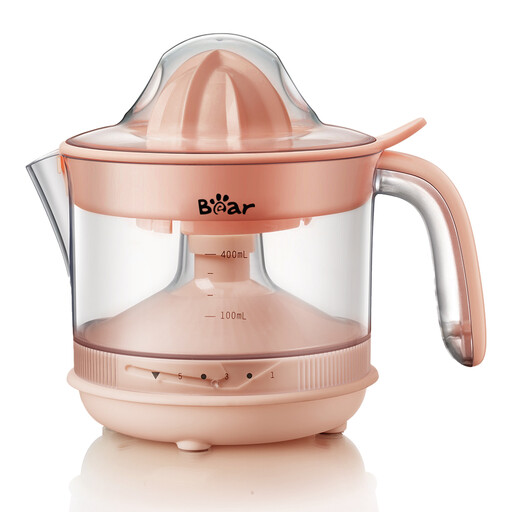
Why This Fits Their Persona: Regular home cooks, families and entertainers can use the one-touch electric design for lemons, oranges and other citrus fruit.
Its five adjustable pulp levels make the texture easier to select than a fixed strainer, while the instructions clearly separate the motor base from washable parts.
110mm feed chute; one-touch operation; 24-month warranty; no installation required.
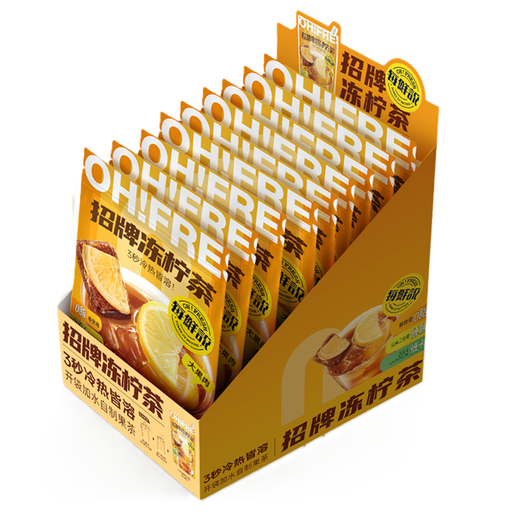
Why This Fits Their Persona: Single-serve freeze-dried lemon tea is useful in offices, student accommodation or travel bags where cupboard space and preparation time are limited.
Each 6g sachet is portioned for approximately 300ml of water, making preparation more predictable than estimating powder from a large pouch.
10 individually packed portions; contains lemon pulp and lemon juice concentrate; suitable with hot or cold water.
We have compiled a complete, real-time list of products that fully satisfy these strict selection criteria and UK safety regulations.
It depends on the product and your overall diet. Check the label for sugar, sweeteners, caffeine and serving size. Squash should be diluted as directed, while ready-to-drink products can contain substantially more carbohydrate per bottle than per 100ml.
Fresh lemons may offer a brighter aroma, but bottled lemon juice can reduce preparation time and waste. Compare the price per 100ml, storage requirements and how often you cook or prepare drinks. A manual citrus juicer may be worthwhile if you regularly use fresh fruit.
Follow the product instructions. The EveryFresh single-serve format specifies one 6g portion in approximately 300ml of water. Stir until dissolved and consume immediately after opening. Always check the packaging for storage, allergen and ingredient information before use.