
24/7 Customer Support

Free returns

Same-day & Next-day Delivery

Quality Guaranteed

Unlock Your Welcome Offers: FREE Delivery | Up to 80% OFF | Free 30-day JoyPlus trial
Download the APP
From a refreshing glass of lemonade on a summer's day to the tangy finish of a lemon dessert, the bright, zesty flavour of lemon is a staple in many UK households. Yet, navigating the world of lemon groceries online can be surprisingly tricky. The shelves are filled with a vast array of drinks, sauces and ingredients, all promising authentic citrus flavour. But not all lemon products are created equal.
As the Joybuy Product Recommendation Officer, my role is to help you see past the clever marketing and make informed choices. Many shoppers find themselves disappointed with products that taste artificial or are loaded with unexpected ingredients. Let's look at a couple of common pitfalls to avoid.
To ensure you get the quality and taste you're paying for, it pays to look closely at a few key details. Focusing on these parameters will help you select the right product for your needs, whether you're making lemonade, baking a cake or mixing a drink.
The single most important indicator of quality is the amount of real lemon in the product. Always check the ingredients list for the percentage of lemon juice.
The type and amount of sweetener used will dramatically affect both the taste and the nutritional profile of the product.
Lemon groceries serve many purposes, and their formulation reflects this. A lemon dessert sauce will be thick and sweet, while a bottle of pure lemon juice will be sharp and unsweetened. Before you buy, consider what you'll be using it for. Are you looking for a convenient, ready-made drink, a versatile squash for the family or a rich lemon curd for your morning toast and scones? Checking the product description for its intended application will prevent you from buying a cooking ingredient when you wanted a refreshing beverage.
Based on these practical criteria, here are a few lemon products suited to different needs and preferences.
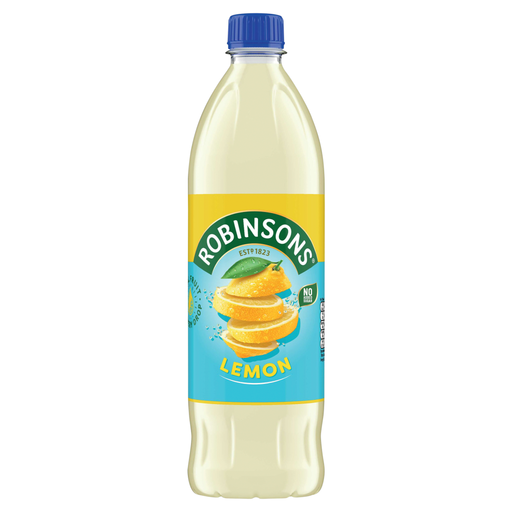
Why This Fits Their Persona: Ideal for families or individuals in the UK looking for a daily hydration option without the sugar. This lemon squash allows for customisable strength, making it a versatile and economical choice for keeping hydrated throughout the day.
It directly counters the hidden sugar pitfall by being explicitly No Added Sugar. It also contains 10% real lemon juice from concentrate, avoiding the "flavouring only" trap.
Highly versatile for diluting to personal taste. The 1L bottle offers great value for regular consumption.
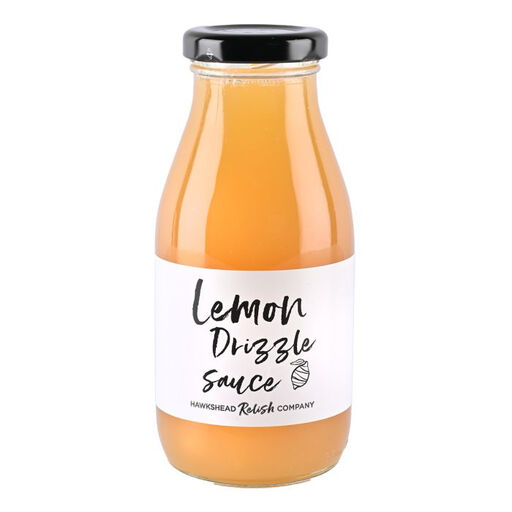
Why This Fits Their Persona: For the creative home cook who wants a high-quality, versatile ingredient. This lemon dessert sauce is perfect for drizzling over cakes, pancakes or layering in a trifle, offering a genuine, tangy lemon flavour to elevate homemade treats.
This sauce sidesteps the artificial flavour trap with an impressive 48% lemon juice content. Its purpose as a dessert sauce is clear, avoiding any confusion with drinking products.
Made with a short, simple list of ingredients. It is also gluten-free and suitable for vegans and vegetarians.
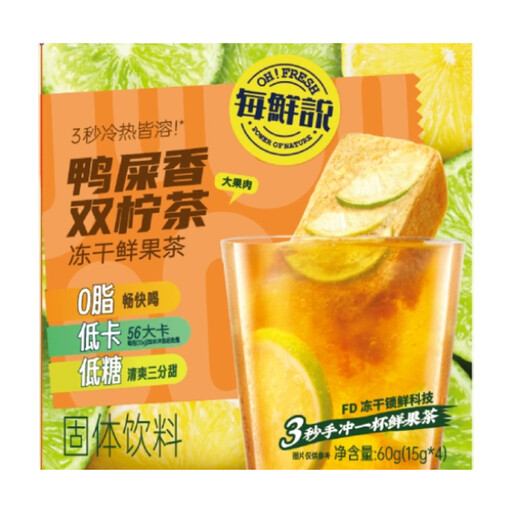
Why This Fits Their Persona: For those who enjoy trying new and interesting beverages from around the world. This freeze-dried tea offers a unique combination of oolong tea (Duck Shit Aroma variety) with both lemon and lime for a complex, layered citrus experience.
This product is transparent about its composition, using freeze-dried fruit pieces and powders. It is low-calorie and sweetened with stevia, avoiding the high-sugar trap of many novelty drinks.
Offers an instant, convenient way to make a unique lemon iced tea. The freeze-drying process preserves a fresh, vibrant flavour.
We have compiled a complete, real-time list of products that fully satisfy these strict selection criteria and UK safety regulations.
In the UK, lemon squash is a concentrate made from fruit juice, sugar and water, which you dilute with water to your preferred strength. Lemonade is typically a ready-to-drink, carbonated (sparkling) beverage. While both are lemon-flavoured drinks, squash offers more versatility and is often more economical for regular household use.
Once opened, a jar of lemon curd should be kept refrigerated. Most manufacturers recommend consuming it within 4 to 6 weeks. Always check the label for specific storage instructions, as recipes can vary. The high sugar content helps to preserve it, but refrigeration is key to maintaining its quality and safety.
For most cooking and baking applications, lemon juice from concentrate is a perfectly acceptable and convenient substitute for fresh lemons. It provides the necessary acidity and lemon flavour. The main difference is that the process of concentrating and reconstituting the juice can slightly alter the flavour profile compared to freshly squeezed juice. For delicate sauces or cocktails where the nuance of fresh juice is paramount, you might prefer fresh. For marinades, cakes and general cooking, bottled juice is a reliable and cost-effective option.