
24/7 Customer Support

Free returns

Same-day & Next-day Delivery

Quality Guaranteed

Unlock Your Welcome Offers: FREE Delivery | Up to 80% OFF | Free 30-day JoyPlus trial
Download the APP
Lemon products can make a kitchen, bathroom or daily routine feel fresher, but the lemon label alone does not tell you whether an item suits your needs. A scented cleaner may smell pleasant yet be unsuitable for untreated wood; a lemon drink may appear light but contain sweeteners or added sugar; and a citrus juicer can look convenient while creating more washing-up than it saves.
This guide focuses on practical checks for UK households before buying lemon-scented cleaning products, lemon drinks, personal-care items and juice-making equipment.
A strong lemon aroma is not evidence that a product removes grease, soap scum or odours effectively. For a lemon multipurpose cleaner, check whether it is intended for hard, non-porous washable surfaces and whether it should be diluted. A lemon floor cleaner may require different handling from a kitchen spray, particularly on wood, aluminium or natural materials.
Also check whether “antibacterial” or disinfection wording applies only under specific conditions, such as using the product neat or leaving it on a surface for a stated contact time. Follow the packaging rather than relying on the fragrance.
“Fresh”, “botanical” and “natural” are marketing terms unless supported by an ingredient list. Lemon-scented cleaning products may contain fragrance allergens such as limonene, citral, geraniol or linalool. These ingredients are not automatically unsuitable, but households with sensitive skin or allergies should read the label carefully.
The same applies to lemon deodorant and lemon body spray. A citrus fragrance does not mean the product is fragrance-free or suitable for broken or freshly shaved skin.
Some lemon tea, freeze-dried lemon tea and lemon soda water products are sold in compact packs, but the number of servings and preparation instructions vary. Check the amount of water required per portion and whether the product contains sugar, sweeteners, tea powder or juice concentrate.
For products such as lemon apple cider vinegar, dilution and storage are particularly important. Never assume that a flavoured vinegar should be consumed neat. Read the recommended serving, food warnings and refrigeration instructions after opening.
For washing-up, compare the bottle size, concentration guidance and intended use. A lemon washing-up liquid should be suitable for washable dishes, glasses and cutlery, with thorough rinsing afterwards. If you use a dishwasher, a lemon dishwasher rinse aid is added to the rinse-aid compartment rather than poured into the detergent compartment.
For floors and general surfaces, look for clear dilution instructions. The Flash floor cleaner listing, for example, states that it is not suitable for untreated or oiled wood, aluminium, copper or brass. Always test an unfamiliar cleaner on a small, hidden area.
For lemon tea and soda water, check:
For lemon apple cider vinegar, check the acidity, recommended dilution, added honey and storage requirements. It is a food product, not a substitute for a varied diet, and buyers taking medication or managing a health condition should seek appropriate professional advice before regular use.
An electric citrus juicer should be judged by practical specifications: capacity, wattage, removable parts, pulp separation and whether the pressing system uses blades. A 1.4-litre model may suit family use, but a compact manual press may be more appropriate if cupboard space is limited.
For any electrical appliance, confirm the plug, operating instructions and warranty information supplied for the UK market. Removable, dishwasher-compatible parts can reduce the everyday effort of juicing, but check the product instructions rather than assuming compatibility.
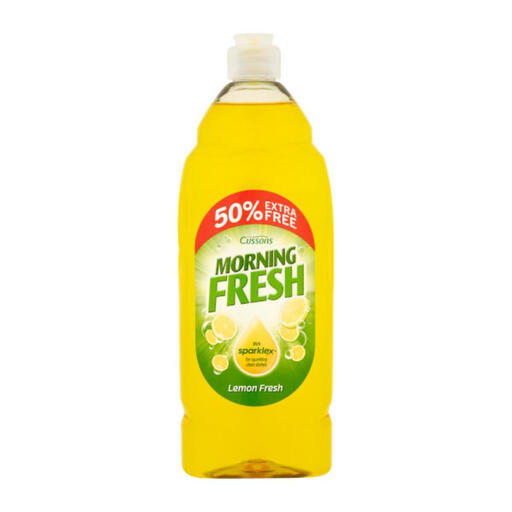
Why This Fits Their Persona: A straightforward option for everyday hand-washing in smaller UK kitchens, with a 675ml bottle and instructions for use with a brush, sponge or warm water.
The listing provides a stated ingredient range and warns users to rinse dishes thoroughly, making the product details easier to check before purchase.
675ml size; suitable for washable dishes, glasses and cutlery; lemon fragrance listed among the ingredients.

Why This Fits Their Persona: Suitable for shoppers who want lemon verbena home fragrance in a reusable tin-style jar for a living room, bedroom or bathroom.
The product information gives a stated burn-time estimate and specific wick-care guidance, rather than relying only on fragrance descriptions.
Listed burn time of up to 30 hours; reusable jar; clear fire-safety instructions.
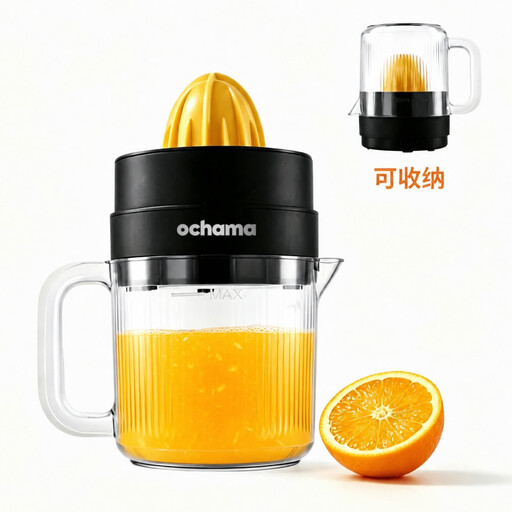
Why This Fits Their Persona: A practical match for households making juice from lemons, oranges, tangerines or pomegranates rather than preparing an occasional single glass.
The 1.4-litre capacity and removable structure are stated clearly, helping buyers consider batch size and cleaning before ordering.
Electric pressing design; no-blade construction; pulp separation and removable parts.

Why This Fits Their Persona: Convenient for work, travel or home use when you want portioned lemon tea without slicing fruit or brewing a full pot.
Each 6g portion is designed for approximately 300ml of water, while the ingredient list identifies lemon ingredients, black tea powder and sweetener.
Ten single-serve sachets; hot or cold preparation; listed nutrition of 6.9 kcal per 100g.
We have compiled a complete, real-time list of products that fully satisfy these strict selection criteria and UK safety regulations.
No. Surface compatibility depends on the formula and material. Read the label, dilute as instructed and test a small concealed area first. Products may be unsuitable for untreated wood, oiled floors, metals or porous surfaces.
Check the best-before date on the packaging and store the product in a cool, dry place away from direct sunlight. Once a portion is opened, follow the preparation instructions and consume it promptly.
Running cost depends mainly on the appliance’s wattage and how long it operates. A 30W juicer uses relatively little electricity per short pressing cycle, but the total cost also includes cleaning time, replacement parts and the price of the fruit.