For an intense ride lasting more than an hour, do not treat lemonade as a like-for-like substitute for a planned carbohydrate-and-sodium drink: a review published in Nutrition describes both carbohydrate intake and sodium-containing fluid for prolonged exercise. If you want lemonade as well, check the carbohydrate per can and treat a sugar-containing option as supplementary; choose diet lemonade for refreshment rather than ride carbohydrate.
Who is choosing?
Riders planning longer, demanding rides
If you are planning carbohydrate intake for intense cycling beyond an hour, distinguish the sugar in a soft drink from a drink chosen to provide carbohydrate and sodium. A review published in Nutrition discusses both for prolonged exercise.
Leisure riders choosing a post-ride drink
If the cans are for a break after riding, decide whether you want carbohydrate in the drink or a diet lemonade with very little. Pack size and flavour may matter more to this choice than an on-bike fuelling plan.
Shoppers checking ingredients and warnings
If particular sweeteners or phenylalanine warnings matter to you, read the current can label. The R. White’s and Sprite multipacks listed by ASDA both carry a phenylalanine warning.
What should you check?
Decide whether the drink is for a demanding ride or for refreshment, then compare carbohydrate per can with the ingredients and pack format.
Carbohydrate-and-sodium drink
Consider when: You are planning intake for intense cycling lasting more than an hour; a review published in Nutrition describes carbohydrate and sodium-containing fluid in that setting.
Bear in mind: This means choosing a separate sports-nutrition product rather than relying on a lemonade multipack; fluid needs still depend on the ride and conditions.
Sugar-containing lemonade
Consider when: You want a fizzy soft drink and intend to count its declared carbohydrate as supplementary, not as your entire ride plan.
Bear in mind: Carbohydrate on a lemonade label does not establish that the drink meets your sodium or fluid needs during prolonged cycling.
Diet lemonade
Consider when: You want lemonade for a break without using it as a source of ride carbohydrate.
Bear in mind: Sainsbury’s lists less than 0.5 g carbohydrate per 330 ml can for its Diet Lemonade, so it contributes little to a carbohydrate plan.
| Priority |
What to check |
Your needs |
| Carbohydrate per can |
Read the carbohydrate figure for the stated can size, not just the pack count. ASDA lists 15 g per 330 ml Sprite can; its R. White’s listing gives 7.9 g sugars per 330 ml can. |
For a long, demanding ride, I want to know how much carbohydrate each can actually contributes. The Nutrition review describes 30–60 g per hour for intense prolonged exercise lasting more than an hour, not a target to apply automatically to every ride. |
| Drink purpose and sodium |
Check what the product is and what its nutrition panel declares. Do not assume that a soft drink meets a carbohydrate-and-sodium plan because its label lists some salt. |
I am planning for a demanding ride, so sweetness alone does not answer whether the drink fits my fluid and carbohydrate plan. |
| Diet formulation |
Compare carbohydrate per serving as well as energy. Sainsbury’s lists less than 0.5 g carbohydrate and 4 kcal per 330 ml can of its Diet Lemonade. |
For an off-bike break, I may want a lemonade that adds little carbohydrate; I would not count that can as ride fuel. |
| Ingredients and warnings |
Read the current ingredients and warnings on the can. ASDA’s R. White’s and Sprite listings both identify sweeteners and carry a phenylalanine warning. |
If I avoid a particular sweetener or need to account for phenylalanine, the label matters more than the words “regular” or “diet”. |
| Pack and serving size |
Check the number and volume of cans, then compare nutrition on the same serving basis. A larger multipack does not change what one can contains. |
I want a pack that suits how I will store and use the cans, without mistaking the number of cans for a fuelling advantage. |
Common buying mistakes
-
Taking a large pack as evidence of endurance suitability
A 24-can pack changes the quantity you buy, not the drink’s nutrition per can. ASDA lists 7.9 g sugars per 330 ml R. White’s can, while the Nutrition review discusses carbohydrate and sodium-containing fluid for intense prolonged exercise.
Choose the type of drink for the ride first; choose the pack size for storage and use afterwards.
-
Counting diet lemonade as ride carbohydrate
Sainsbury’s lists less than 0.5 g carbohydrate per can of its Diet Lemonade. That makes it a different choice from a drink intended to contribute carbohydrate during a demanding ride.
Keep diet lemonade for refreshment when carbohydrate from the drink is not the aim.
-
Overlooking sweeteners and warnings
ASDA’s R. White’s and Sprite multipack listings identify sweeteners and carry a phenylalanine warning. A familiar brand name is not a substitute for reading the ingredients.
Check the current physical-can label before drinking, particularly if specific ingredients or warnings matter to you.
-
Relying on an old retailer listing
A listed pack is not necessarily ready to order: Tesco’s R. White’s six-can page was marked out of stock when viewed.
Check the live product page for the pack you intend to buy, and use the can label for its current ingredients and nutrition information.
Relevant brands and retailers
These references help distinguish can multipacks from related bottled drinks; they are not a list of Joybuy stock.
R. White’s
ASDA lists a 24 × 330 ml lemonade can pack; Tesco also lists a six-can pack.
- ASDA declares 7.9 g sugars per 330 ml can.
- The ASDA listing identifies sweeteners and carries a phenylalanine warning; the pack is a soft drink, not an established carbohydrate-and-sodium cycling drink.
Sprite
ASDA lists a lemon-lime soft drink in an 8 × 330 ml can pack.
- The ASDA nutrition panel declares 15 g carbohydrate per can.
- It contains sweeteners and carries a phenylalanine warning; its carbohydrate figure alone does not establish suitability as a complete cycling drink.
Tesco
Tesco lists lemonade cans, including a R. White’s six-can product and a Tesco Diet Lemonade six-can search result.
- Its listings provide another pack format to check.
- The R. White’s six-can page was marked out of stock when viewed; confirm the live listing before ordering.
Sainsbury’s
Sainsbury’s lists its own-label Diet Lemonade in a 6 × 330 ml can pack.
- Its listing declares 4 kcal and less than 0.5 g carbohydrate per can.
- That carbohydrate amount makes it a refreshment option rather than a meaningful source of ride carbohydrate.
Asda
Asda lists the R. White’s and Sprite can multipacks discussed here, as well as its own-label Classic Lemonade.
- The R. White’s and Sprite listings give nutrition information for 330 ml cans.
- The referenced ASDA Classic Lemonade is a 2-litre bottle, not an own-label can multipack.
M&S
Marks & Spencer lists a lemonade described as containing real lemon juice and no artificial sweeteners.
- Its ingredient description offers a point of comparison for shoppers checking sweeteners.
- The referenced product is a 1-litre bottle, not a multipack of cans.
Joybuy can multipacks
These Joybuy options cover a lemon-flavoured soft drink with declared carbohydrate and two zero-carbohydrate lemon drinks for refreshment. The SINGHA product is described as lemon soda rather than lemonade.
 No image available
Fanta Lemon 8 × 330 ml
This lemon-flavoured sparkling soft drink is an option when you want a can with some declared carbohydrate, rather than a complete cycling drink.
The product information declares 15 g carbohydrate per 330 ml can. It identifies sweeteners and carries a phenylalanine warning; check the current can label if either matters to you.
View on Joybuy
 No image available
7 Up Lemonade Zero 24 × 330 ml
Choose this lemonade multipack for refreshment rather than as a source of ride carbohydrate.
The product information declares 0 g carbohydrate and 0 g sugars per 100 ml. It also identifies sweeteners and carries a phenylalanine warning; check the current can label.
View on Joybuy
 No image available
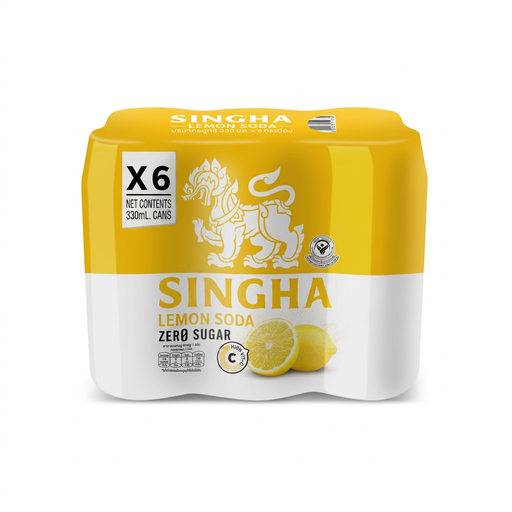
SINGHA Original Lemon Soda Zero Sugar, 6 × 330 ml
This is a lemon soda for refreshment, not a product described as traditional lemonade or a source of ride carbohydrate.
The product information declares 0 g carbohydrate per 100 g and names sucralose and acesulfame-K. Check the current can label if you avoid either sweetener.
View on Joybuy
Questions about lemonade and cycling
Can lemonade replace a sports drink on a ride lasting more than an hour?
Do not assume it is a like-for-like replacement for intense, prolonged cycling. A review published in Nutrition discusses carbohydrate intake and sodium-containing fluid in that setting; the lemonade multipacks discussed here are soft drinks, so compare their declared contents with your ride plan rather than relying on sweetness.
What does one 330 ml Sprite can contribute to a carbohydrate plan?
ASDA declares 15 g carbohydrate per can. Two cans would therefore contain 30 g carbohydrate and four would contain 60 g, but that arithmetic is not advice to drink those quantities or evidence that Sprite meets fluid and sodium needs.
Is diet lemonade a source of carbohydrate for a ride?
Sainsbury’s Diet Lemonade is not a meaningful carbohydrate source: its listing declares less than 0.5 g per 330 ml can. It fits a refreshment choice better than a plan that relies on the drink for carbohydrate.
Which warnings should I check on a lemonade multipack?
Read the current can for ingredients, nutrition information and warnings. ASDA’s R. White’s and Sprite listings both identify sweeteners and carry a phenylalanine warning, so check the physical label if these are relevant to you.


