Hosts serving children and adults
If you want a familiar fizzy drink with less sugar, consider a labelled diet option alongside water rather than assuming every guest wants sweeteners.


If reducing sugar matters for your christening party, a diet or zero-sugar lemonade is a more relevant choice than regular lemonade—but compare the sugar figures on the exact packs and offer water as another option. Check sweeteners before serving: the NHS says aspartame is unsuitable for people with phenylketonuria (PKU), while Cambridgeshire Community Services NHS Trust advises water instead of fizzy drinks, including sugar-free ones, for children’s teeth.
If you want a familiar fizzy drink with less sugar, consider a labelled diet option alongside water rather than assuming every guest wants sweeteners.
Read the ingredients of each diet drink. The NHS says aspartame is unsuitable for people with phenylketonuria (PKU), so a zero-sugar label alone cannot settle the choice.
Reducing sugar does not make a fizzy drink equivalent to water. Cambridgeshire Community Services NHS Trust advises avoiding fizzy drinks, including sugar-free versions, for children’s teeth.
Decide whether the party needs a reduced-sugar fizzy option, then check the exact drink’s ingredients and plan a non-fizzy alternative.
| Priority | What to check | Your needs |
|---|---|---|
| Sugar | Compare sugars per 100ml on drinks measured that way, and check the amount in the serving you plan to pour. Read regular and diet variants separately. | I’d like to offer lemonade while reducing sugar, so I need to know what is in the particular bottle or can I buy. |
| Sweeteners | Read the ingredient list for the sweeteners used and any phenylalanine warning. The NHS says aspartame is unsuitable for people with PKU. | If a guest has PKU or avoids a particular sweetener, a diet or zero-sugar label is not enough to choose their drink. |
| Children’s drinks | Keep water available as a non-fizzy choice. Cambridgeshire Community Services NHS Trust advises avoiding fizzy drinks, even sugar-free ones, for children’s teeth. | I want children to have an easy alternative to lemonade, not just a choice between sugary and sugar-free fizz. |
| Serving format | Check the pack’s total volume, can or bottle size, and the number of servings you expect. Keep the packaging available so ingredients can be checked. | Individual cans may suit self-service; for a shared bottle, I need to plan how much to pour and how many guests it will serve. |
| Current label | Check the physical pack for ingredients, declared allergens, best-before date and storage instructions before the party. | When a guest has an ingredient-specific restriction, I need the details from the drink that will actually be served. |
These descriptions do not tell you which sweeteners a drink contains, and the regular version of a brand can have a different sugar figure.
Compare the nutrition panels of the exact variants you are considering, using the same stated measurement basis.
Some diet citrus drinks contain aspartame or carry a phenylalanine warning. The NHS says aspartame is unsuitable for people with PKU.
Check the pack and, where appropriate, ask the guest or their carer about their requirements. Make water available rather than relying on one sweetened option.
Removing sugar does not remove the dental concern associated with acidic fizzy drinks. Cambridgeshire Community Services NHS Trust advises water instead, including when the fizzy drink is sugar-free.
Offer lemonade as an optional party drink and put plain water where guests can readily choose it.
Pack formats vary, and the ingredients on the drink you receive are the details that matter for guests with dietary restrictions.
Check the current pack, work out the volume needed for the number of guests, and retain the label at the drinks table.
These examples illustrate different lemonade formats and sweetener choices; check the exact product label before selecting a drink for guests.
Tesco Diet Lemonade is listed in a pack of six 330ml cans, an individual-serving alternative to a shared bottle.
R. White's Diet Lemonade is listed in a 2-litre bottle for shared serving.
M&S lists a 2-litre Diet Lemonade alongside other lemonade varieties.
Schweppes Diet Lemonade is listed in a six-pack of 330ml cans.
Sprite Zero Sugar is a lemon-and-lime soft drink rather than a traditional lemonade.
These options include a zero-sugar lemonade and other zero-sugar citrus fizzy drinks in individual cans. The lemon-and-lime drinks and lemon soda are alternatives, not identical substitutes for traditional lemonade; keep guests’ ingredient needs in mind.
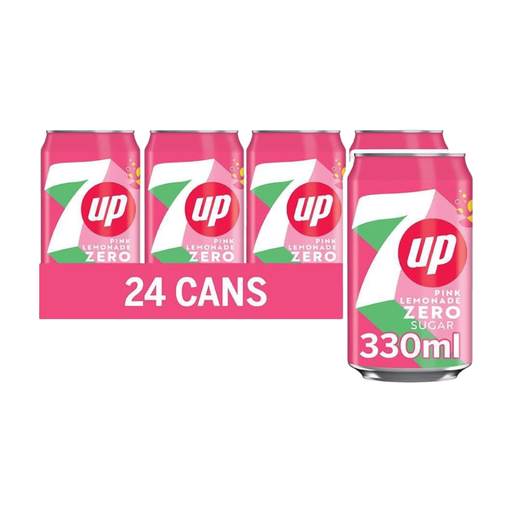 No image available
The 24 individual cans provide a zero-sugar lemonade option for party serving. The product information states 0g sugars per 100ml and identifies aspartame and a phenylalanine warning; check the current pack if a guest has PKU.
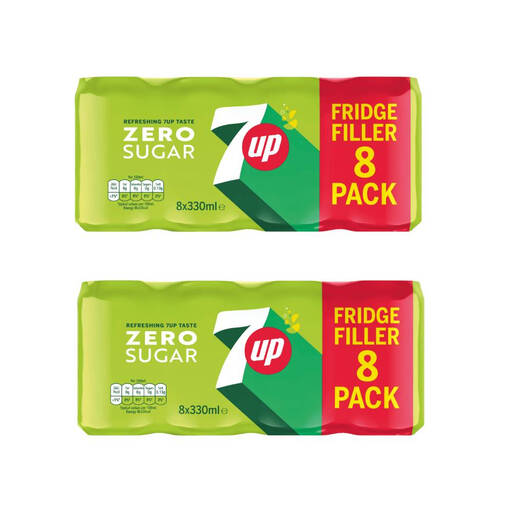 No image available
This zero-sugar lemon-and-lime drink comes in 16 individual cans for a citrus option distinct from traditional lemonade. Its product information lists aspartame and acesulfame K; check the pack’s phenylalanine warning when PKU is relevant.
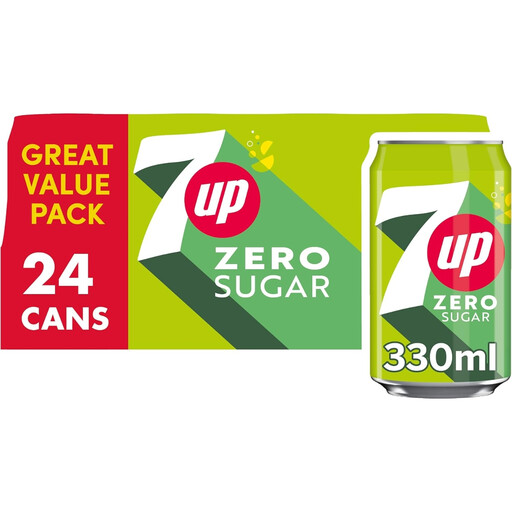 No image available
This 24-can pack offers individual servings of a zero-sugar lemon-and-lime drink, rather than traditional lemonade. The product information states 0g sugars per 100ml and lists aspartame and acesulfame K; check its current warning if a guest has PKU.
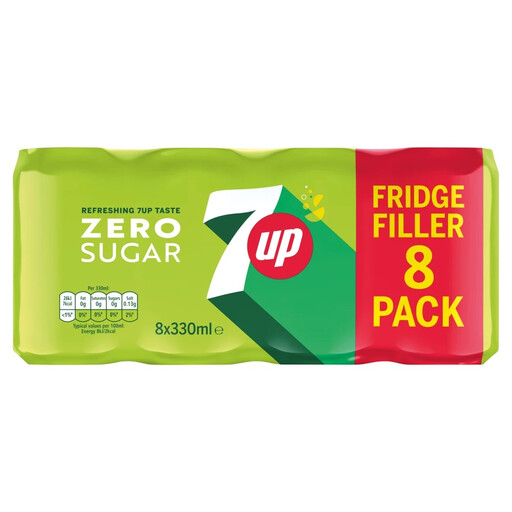 No image available
The eight-can pack is a smaller serving-format choice for a zero-sugar lemon-and-lime drink, not traditional lemonade. Its product information states 0g sugars per 100ml and lists aspartame and acesulfame K; check the current label for guest-specific restrictions.
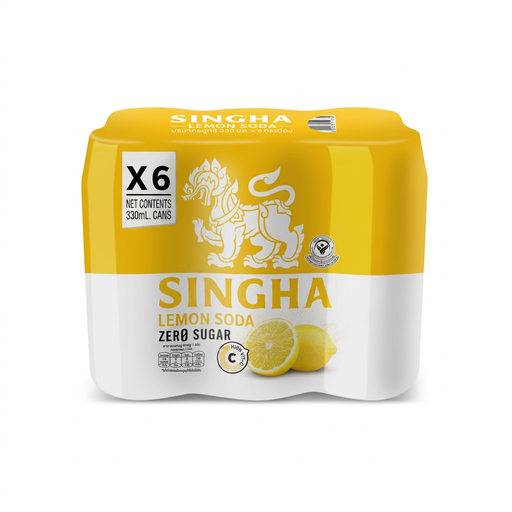 No image available
This six-can lemon soda is a citrus alternative rather than traditional lemonade. Its product information reports 0g sugars per 100g and lists sucralose and acesulfame K; check the pack rather than directly comparing its per-100g figure with another drink’s per-100ml figure.
Choose a diet or zero-sugar variant if reducing sugar is your main aim, but compare the exact products’ nutrition labels rather than relying on their names. Regular lemonade remains an optional choice for guests who want it; provide water for anyone who prefers neither sugary nor sweetened fizz.
Not necessarily. The NHS says aspartame is unsuitable for people with phenylketonuria (PKU), so check the ingredients and any “contains a source of phenylalanine” warning on the exact pack before serving it.
No. Cambridgeshire Community Services NHS Trust advises avoiding fizzy drinks, including sugar-free ones, in favour of water for children’s teeth. Keep water readily available even if you also serve diet lemonade.
Read the sugars figure, ingredients, sweeteners, any phenylalanine warning and declared allergens on the drink you will serve. Check its best-before date and storage instructions too, and retain the packaging so guests can refer to it.