
24/7 Customer Support

Free returns

Same-day & Next-day Delivery

Quality Guaranteed

Unlock Your Welcome Offers: FREE Delivery | Up to 80% OFF | Free 30-day JoyPlus trial
Download the APP
Choosing lemonade and fizzy drinks can look straightforward until you compare sugar levels, serving sizes, sweeteners, flavour profiles and pack formats. A drink that looks like good value may be less suitable for everyday use, while an imported can may offer an interesting taste but limited labelling information.
This guide from the Joybuy Product Recommendation Officer focuses on practical details rather than promotional language, helping you choose drinks for meals, parties, international flavour discovery and adult-only occasions.
Zero-sugar lemonade and low-sugar soda often use sweeteners such as sucralose, acesulfame-K, aspartame or saccharin. These can reduce sugar and energy values, but they may not suit every preference. If you avoid particular sweeteners or need to monitor phenylalanine, read the ingredients and allergen information carefully.
For example, SINGHA Original Lemon Soda Zero Sugar lists sucralose and acesulfame-K, while Sprite No Sugar contains aspartame, acesulfame-K and sucralose. “No sugar” describes the nutritional value; it does not mean the drink is free from sweeteners.
A 24-pack may appear economical, but it requires more storage and may not suit occasional drinkers. Small 150ml bottles can be useful for controlled single servings, while 330ml cans are more practical for lunches, gatherings and household stock-ups.
Always compare price per 100ml, not only the total pack price. Also check whether the product is sold as an individual drink, a six-pack or a larger soft drink multipack.
Lemon-flavoured soft drinks range from sweet, syrupy lemonade to sharp lemon soda and lightly flavoured sparkling water. International products may add mandarin, ume plum, sarsaparilla, strawberry or lime notes. Product descriptions can use terms such as “refreshing” or “natural taste”, but the ingredients and juice percentage provide a more useful comparison.
Use the per 100ml nutrition panel to compare products consistently. A standard 330ml can multiplies the listed figures by 3.3. For reference, Fanta Lemon provides 15g of sugar per 330ml can, while Bei Bing Yang Orange Juice Soda lists 10.8g of sugar per 100ml. These are substantially different formats, even though both are citrus drinks.
For lower-sugar choices, look for products with a clearly stated sugar value rather than relying only on front-of-pack wording. Living Things Watermelon & Lime Soda lists 1.7g of sugar per 100ml, while Poppi Strawberry & Lemon lists 1.3g.
Lemon soda, orange soda and sparkling citrus drinks can contain concentrated juice, natural flavourings or both. A juice percentage can help indicate the drink’s fruit component, but it does not predict whether the flavour will be sharp or sweet.
Those seeking a more recognisable lemon profile may prefer a product listing lemon juice concentrate. Shoppers exploring Japanese drinks, Chinese soda or Thai lemon soda should also check additional flavourings, acidity regulators and sweeteners to understand the likely taste.
Many non-alcoholic fizzy drinks are suitable for vegans, but this should be confirmed on the product label rather than assumed. Check for allergens, artificial colours and sweeteners if buying for children or guests with dietary requirements.
Alcoholic lemonade and other ready-to-drink beverages have additional requirements. Products such as Suntory Kodawari Lemon Sour Extra Lemon contain 5% alcohol by volume, while Hooch Lemon Can 440ml contains 3.4% ABV according to the supplied product information. They are for adults aged 18 and over and should not be consumed before driving or operating machinery.
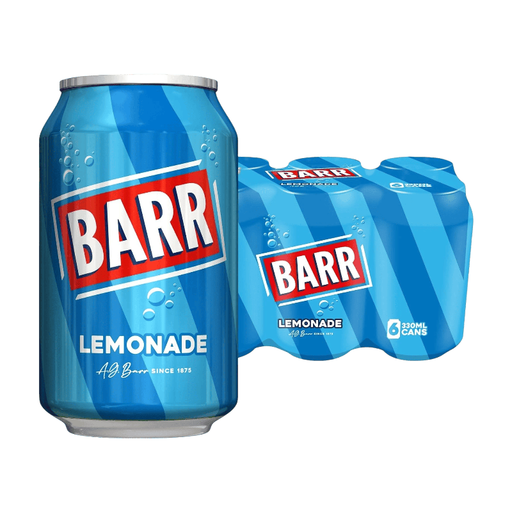
Why This Fits Their Persona: A six-can format gives occasional buyers a manageable way to try traditional lemonade without committing to a large household multipack.
The pack size is clear, and the nutrition panel states 2.8g of sugar per 100ml and 12 kcal per 100ml, making comparison easier.
330ml cans; 40 kcal per can; suitable for vegetarian and vegan diets according to the supplied product information.
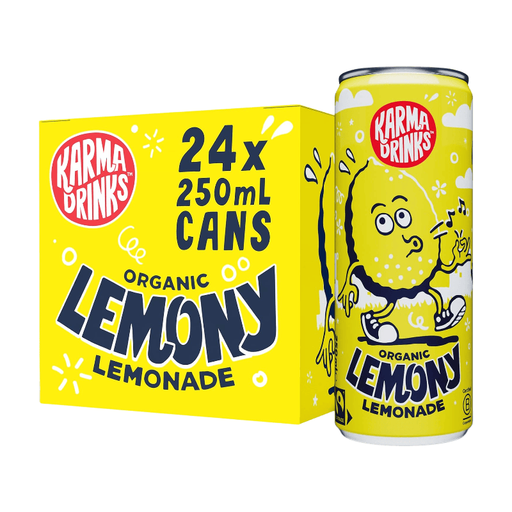
Why This Fits Their Persona: The smaller cans and organic, Fairtrade positioning suit shoppers who want a clearly defined product style for entertaining or regular home use.
The product information identifies organic cane sugar, lemon concentrate and a 250ml serving, rather than leaving the format vague.
24 cans; vegan and gluten-free according to the supplied information; 7.9g sugar per 100ml.
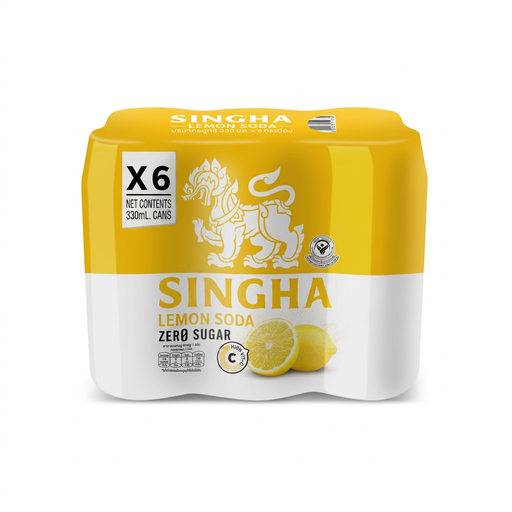
Why This Fits Their Persona: A Thai lemon soda multipack for shoppers seeking a sharp citrus profile with zero sugar for everyday meals.
The nutrition panel states 0g sugar and 0 kcal per 100g, while the ingredients openly list the sweeteners used.
Six 330ml cans; zero sugar; product of Thailand; lemon juice concentrate is listed in the ingredients.
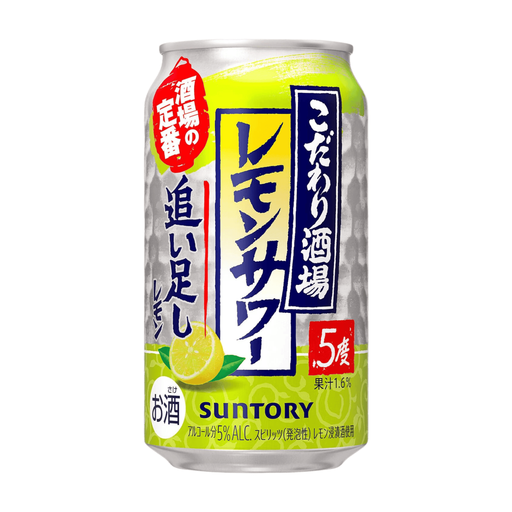
Why This Fits Their Persona: A chilled Japanese alcoholic ready-to-drink beverage for adult gatherings and dinner occasions where no mixing is required.
The alcohol strength, 350ml volume and stated 1.4 units per can are provided, helping adults plan servings responsibly.
5% ABV; 0g sugar per 100ml; lemon flavour; designed to be served chilled and consumed immediately after opening.
We have compiled a complete, real-time list of products that fully satisfy these strict selection criteria and UK safety regulations.
Compare the nutrition panel per 100ml rather than relying on wording such as “light” or “refreshing”. Zero-sugar products such as SINGHA Original Lemon Soda Zero Sugar provide 0g sugar according to the supplied information, while reduced-sugar functional drinks may contain a small amount. Always check the sweeteners if you have specific dietary preferences.
They can offer a lower unit cost, but this depends on the listing price, delivery charges and how quickly the drinks will be consumed. A 24-pack is more suitable for frequent use or parties, whereas a six-pack or four-pack reduces storage pressure. Calculate the cost per can and cost per 100ml before ordering.
Keep unopened cans and bottles in a cool, dry place away from direct sunlight and high temperatures. Refrigerate after opening where the label advises it and consume promptly to retain carbonation and flavour. Do not freeze pressurised cans or bottles, and inspect damaged, swollen or leaking packaging before consumption.