Marathon trainees planning long runs
If you are planning what to consume during a longer or harder session, choose amounts of carbohydrate and fluid deliberately rather than relying on a drink because it tastes sweet.


A lemonade multipack is a choice for an occasional fizzy drink, not a stand-alone fuelling plan for a long training run. A 2015 sports-nutrition review published in Nederlands Tijdschrift voor Geneeskunde advises 30–60g of carbohydrate per hour for high-intensity exercise lasting 1 to 2.5 hours; the verified Sprite 18 × 330ml pack lists 15g per can, while diet lemonade supplies little carbohydrate. Plan what you will consume during the run separately, and choose a lower-sugar lemonade when refreshment rather than carbohydrate is the aim.
If you are planning what to consume during a longer or harder session, choose amounts of carbohydrate and fluid deliberately rather than relying on a drink because it tastes sweet.
If you want lemonade after training or at another time, a lower-sugar pack may fit that purpose. Fizzy acidity remains relevant even when a drink contains little sugar.
Pack size may matter more than training use. Check the exact cans to distinguish regular, sugar-and-sweetener and diet formulations.
Decide whether the drink is intended for use during a run or for refreshment at another time, then read the nutrition panel for the exact can and serving size.
| Priority | What to check | Your needs |
|---|---|---|
| Carbohydrate during a run | Check carbohydrate per can and how much you plan to consume per hour. A 2015 sports-nutrition review in Nederlands Tijdschrift voor Geneeskunde | I need a planned amount during a long or hard run, not just a sweet-tasting drink. Sainsbury's lists 15g carbohydrate per 330ml can of Sprite 18 × 330ml. |
| Diet versus regular | Read carbohydrate and sugars per can, not just the flavour or pack name. Sainsbury's Diet Lemonade 6 × 330ml lists less than 0.5g of each per can. | For a fizzy drink away from training, I may prefer little sugar; if I need carbohydrate during exercise, a diet can does not serve that purpose. |
| Fluid and salt | Check the serving size and any declared salt or sodium. A lemonade label alone does not establish whether the drink meets an individual runner's fluid or electrolyte needs. | I want to plan what I will drink during the session rather than assume a canned soft drink covers everything. |
| Fizzy-drink exposure | Check whether the drink is carbonated, including lower-sugar options. The NHS associates carbonated drinks with dental erosion because of their acid content, regardless of sweetener choice. | If I drink lemonade regularly, reducing sugar is one consideration, but it does not remove the acidity consideration. |
| Pack format | Check the number of cans, volume per can and nutrition values on the exact pack. Similar drinks are sold in different multipack sizes. | I want cans that suit how they will be shared or stored, without confusing a larger household pack with a training plan. |
Sainsbury's Diet Lemonade 6 × 330ml lists less than 0.5g carbohydrate per can, so it does not provide a meaningful amount for a carbohydrate-fuelling plan.
Choose it for a lower-sugar fizzy drink, and plan carbohydrate separately if the session calls for it.
Sainsbury's lists 15g carbohydrate per 330ml Sprite can, and Asda lists 7.9g sugars per 330ml R. White's can. Neither label establishes a complete hourly carbohydrate, fluid and electrolyte plan for a long run.
Work from the carbohydrate amount you intend to consume and check the instructions and serving size of any product chosen for exercise.
The NHS associates carbonated drinks with dental erosion due to acidity, whether they contain sugar or lower- or no-calorie sweeteners.
Consider how often you sip fizzy lemonade, including lower-sugar varieties.
Asda lists R. White's Lemonade in a 24 × 330ml can pack.
Sainsbury's lists an 18 × 330ml Sprite multipack; pack sizes on other listings may differ.
Sainsbury's Diet Lemonade is listed in a 6 × 330ml can pack.
Tesco's lemonade range lists Tesco Diet Lemonade Cans 6 × 330ml alongside other canned lemon-and-lime drinks.
The M&S lemonade range includes bottled regular and diet options, which differ from the canned multipack format considered here.
These lemon and lemon-and-lime can multipacks are options for refreshment away from training. Choose between regular and Zero-labelled drinks by checking the exact can label; none should be treated as a complete long-run fuelling plan on the strength of its name or pack size.
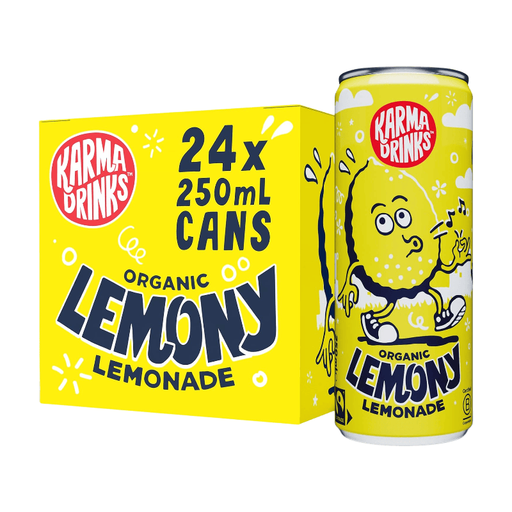 Image unavailable
A 24-can lemon drink pack for sharing or occasional refreshment. Check the carbohydrate and sugars per 250ml can if either matters to your choice.
 Image unavailable
A 24-can lemon drink pack for occasions away from a run. Read the carbohydrate and sugars per 330ml can before comparing it with a training-fuel plan.
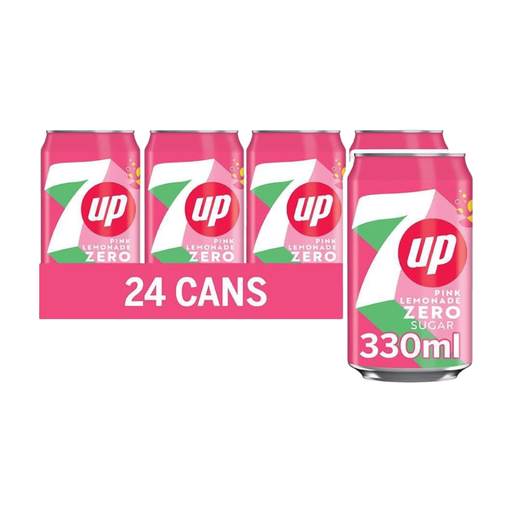 Image unavailable
A Zero-labelled canned lemonade option for off-run refreshment, rather than a carbohydrate-fuelling choice. Check the exact label for nutrition and sweetener information; the NHS notes that fizzy-drink acidity remains relevant regardless of sugar content.
 Image unavailable
A Zero-labelled lemon-and-lime can pack for refreshment away from training. Check the can label for carbohydrate, sugars and sweetener information rather than choosing it to supply running fuel.
Do not treat a can as a stand-alone fuelling plan. A 2015 sports-nutrition review in Nederlands Tijdschrift voor Geneeskunde advises 30–60g carbohydrate per hour for high-intensity exercise lasting 1 to 2.5 hours; Sainsbury's lists 15g per 330ml Sprite can, while its diet lemonade lists less than 0.5g per can. Plan carbohydrate and fluid intake for the session rather than assuming either drink covers both.
Sainsbury's lists 15g carbohydrate per 330ml can in its Sprite 18 × 330ml pack. That label figure describes the drink, not its suitability as a complete sports drink; check the exact pack if you are comparing serving sizes.
Diet lemonade makes sense as a lower-sugar fizzy drink when carbohydrate fuel is not the purpose. Sainsbury's Diet Lemonade 6 × 330ml lists less than 0.5g sugars and less than 0.5g carbohydrate per can.
No. The NHS associates carbonated drinks with dental erosion due to acid content regardless of whether they contain sugar or lower- or no-calorie sweeteners. Choosing a lower-sugar can does not remove that consideration.