Parents planning school-holiday lunches
For households deciding whether to include a fizzy drink occasionally while keeping routine children’s lunches centred on water or milk, in line with NHS guidance.


For a child’s routine lunch drink, choose water or milk: the NHS identifies these as the best drinks for children and advises avoiding sugary fizzy drinks. If you are choosing lemonade cans for an occasional school-holiday lunch or shared occasion, compare sugar per can, ingredients and pack size; a zero-sugar label does not remove the need to check for sweeteners or warnings.
For households deciding whether to include a fizzy drink occasionally while keeping routine children’s lunches centred on water or milk, in line with NHS guidance.
For anyone choosing between regular and zero-sugar cans who also wants to check sweeteners and ingredient warnings on the exact pack.
For households weighing a six- or eight-can multipack against a larger case, based on how many cans they expect to use and can store.
Decide whether the drink is for a routine child’s lunch or an occasional occasion, then compare the label and the quantity you will use.
| Priority | What to check | Your needs |
|---|---|---|
| Lunch drink | For a routine child’s lunch, consider water or milk. The NHS identifies them as the best drinks for children and advises avoiding sugary fizzy drinks. | I need a drink for everyday lunches, rather than a fizzy can for an occasional occasion. |
| Sugar per can | Compare the same serving size on each nutrition panel. Sainsbury’s lists 14g sugars per 330ml can for Schweppes Lemonade and less than 0.1g for Schweppes Slimline. | If I choose lemonade for an occasional lunch, I want to know what is in a whole can, not just rely on a front-of-pack description. |
| Ingredients | Read the exact pack’s ingredients and warnings as well as its sugar declaration. Sainsbury’s lists sweeteners and a source-of-phenylalanine warning for Schweppes Slimline. | A zero-sugar option interests me, but I also need to check whether particular ingredients or warnings matter in my household. |
| Pack quantity | Check the number of cans, volume per can, storage space and best-before date. Six 330ml cans contain 1.98 litres; eight contain 2.64 litres. | Will we use a small multipack for a few lunches, or enough cans across several shared occasions to justify a larger case? |
The NHS identifies water and milk as the best drinks for children and advises avoiding sugary fizzy drinks.
Choose water or milk for routine lunches. If you buy lemonade cans, plan them for occasional occasions rather than everyday use.
Sainsbury’s nutrition panels list 14g sugars per 330ml can for Schweppes Lemonade, compared with less than 0.1g per 330ml can for Schweppes Slimline.
Compare sugars using the same per-can or per-100ml measure on the packs you are considering.
Sainsbury’s lists sweeteners and a source-of-phenylalanine warning for Schweppes Slimline.
Check the ingredients and warnings on the exact multipack if either is relevant to your household.
A 24-can case is a different commitment from a six- or eight-pack if the cans are intended for only a few lunches.
Check the best-before date, storage space and whether you expect to use the full quantity across several occasions.
Tesco lists Diet Lemonade Cans in a 6 x 330ml multipack.
Sainsbury’s lists its own-brand Diet Lemonade in a 6 x 330ml format.
Sainsbury’s lists both regular and Slimline Schweppes Lemonade as 8 x 330ml multipacks.
Sainsbury’s lists Sprite Zero Sugar as an 8 x 330ml lemon-and-lime multipack.
A Joybuy category listing identifies R. White’s Lemonade in a 24 x 330ml case.
These are lemonade and other lemon-flavoured fizzy drink multipacks for occasional shared lunches. Fanta Lemon and the lemon-and-lime options are not the same flavour as traditional lemonade; the 24-can packs also call for a different quantity plan from the eight-packs.
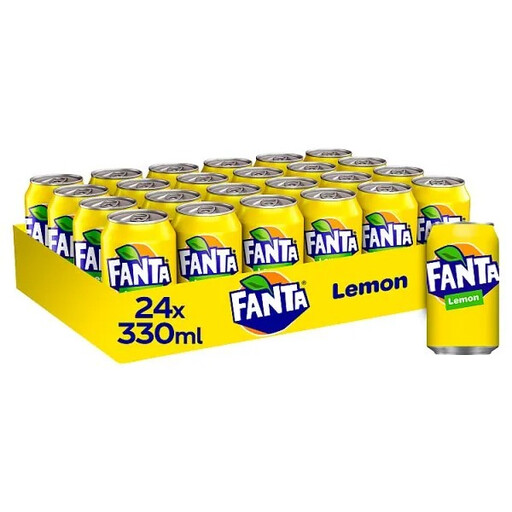 No image available
A lemon-flavoured fizzy drink case to consider for several shared occasions, rather than traditional lemonade. The product description states 15g sugars per 330ml can and lists sugar and sweeteners. Check the exact pack label, and make sure you can use and store 24 cans.
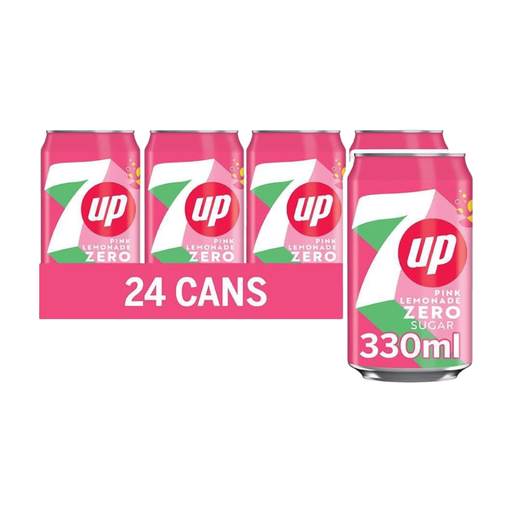 No image available
A 24-can pink lemonade option if you want a zero-sugar label and expect to use a larger case across occasions. Its product description lists 0g sugars per 100ml, sweeteners and a source of phenylalanine. Check the exact label and whether the quantity suits your plans.
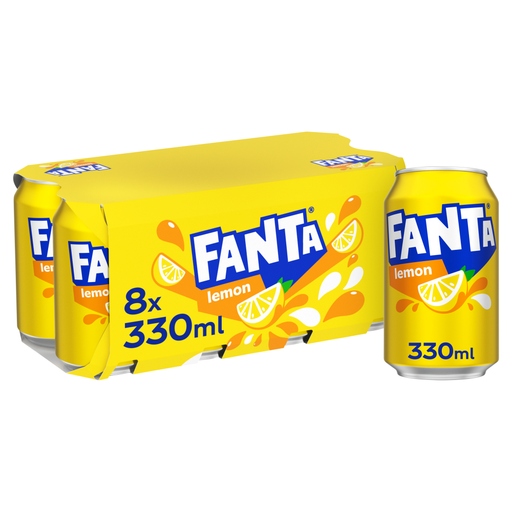 No image available
An eight-can lemon-flavoured fizzy drink pack for an occasional shared lunch, rather than traditional lemonade. The product description states 15g sugars per 330ml can and lists sugar and sweeteners; check the exact pack label before choosing it.
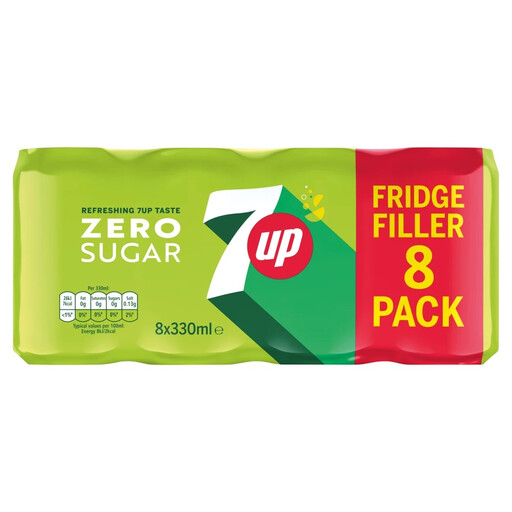 No image available
An eight-can lemon-and-lime option if that flavour suits your shared-lunch plans instead of traditional lemonade. The product description lists 0g sugars per 330ml can, sweeteners and a source of phenylalanine. Check the exact pack label where ingredients or warnings matter.
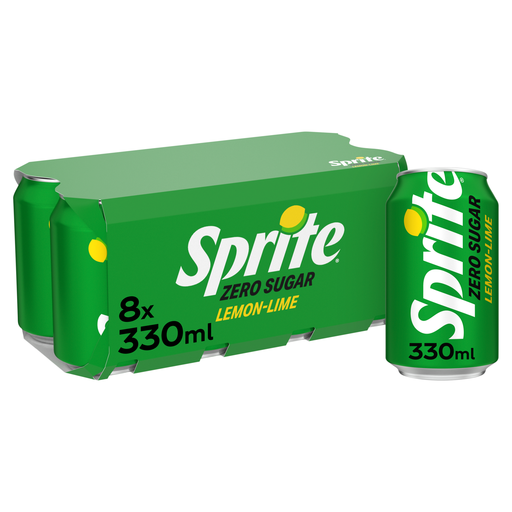 No image available
An eight-can lemon-and-lime choice for an occasional shared lunch, rather than a traditional lemonade flavour. The product description lists 0g sugars per 100ml, sweeteners and a source of phenylalanine. Check the label on the exact pack if those ingredients or warnings affect your choice.
Choose water or milk for routine children’s lunches. The NHS identifies these as the best drinks for children and advises avoiding sugary fizzy drinks; treat canned lemonade as an occasional choice rather than the default.
No. Sainsbury’s lists sweeteners and a source-of-phenylalanine warning for Schweppes Slimline Lemonade. Read the ingredients and warnings on the exact can when they matter to your household.
Match the pack to the number of lunches or shared occasions you are planning. Six 330ml cans provide 1.98 litres, while eight provide 2.64 litres; check whether you will use and store the full quantity.
Check the label on the pack you buy. M&S advises that product information can change as products are redeveloped, so its online information should not replace a label check, especially when ingredients or warnings affect your decision.