
24/7 Customer Support

Free returns

Same-day & Next-day Delivery

Quality Guaranteed

Unlock Your Welcome Offers: FREE Delivery | Up to 80% OFF | Free 30-day JoyPlus trial
Download the APP
Choosing between lemonade, lemon and lime soft drinks, sparkling lemonade and newer fruit-flavoured drinks can be surprisingly difficult. Pack size, sugar content, sweeteners, caffeine and storage instructions all affect whether a product suits your household, event or workplace.
The main risk is buying based on front-of-pack wording alone. A drink labelled “light”, “natural” or “premium” may still contain significant sugar, sweeteners or ingredients that do not suit everyone. Use the checks below to compare products more reliably.
Zero sugar lemonade can contain sweeteners such as aspartame, acesulfame K, sucralose or steviol glycosides. These ingredients are permitted in food and drink, but their presence matters if you are trying to avoid particular sweeteners or need to check for a source of phenylalanine.
Always read the ingredients and nutrition panel rather than relying only on “zero” or “low calorie” wording.
A 150ml bottle, 190g can and 330ml can are not interchangeable. A multipack may look economical, but the total quantity and per-serving figures should be compared.
For example, a 24-pack of 330ml cans contains 7.92 litres, while a 6-pack of 150ml bottles contains only 900ml. Smaller bottles may suit mixers or portion control, whereas larger lemonade multipacks are more practical for family occasions and offices.
Some drinks are designed as mixers, some are still fruit drinks and others contain caffeine or alcohol. A premium lemonade in 150ml bottles may work well with spirits, while a caffeinated citrus drink may not be appropriate for children, pregnant or breastfeeding women or people sensitive to caffeine.
Check the product type, intended serving and safety information before ordering.
Compare the nutrition information per 100ml and per can or bottle. For reference, the listed products vary considerably:
These figures show why serving size matters. Also check whether sweeteners are used alongside sugar.
Lemonade may use lemon juice from concentrate, natural lemon flavouring or a combination of both. Fever-Tree Premium Lemonade lists 2.5% lemon juice from concentrate and natural lemon and lime flavourings. Fanta Lemon lists 5% lemon juice from concentrate.
Products with additional fruit ingredients can taste less sharply citrus-led. Uni-President Kumquat Lemon combines kumquat juice and lemon juice, while pink lemonade products may include raspberry or strawberry notes. Choose a straightforward lemon soda for a crisp mixer or a mixed fruit profile for casual drinking.
Cans are convenient for parties, offices and outdoor use, while larger bottles may be more suitable for meals at home. Once opened, many drinks should be refrigerated and consumed within a specified period.
For drinks containing live cultures, such as kombucha, check the wording carefully. Remedy Kombucha Raspberry Lemonade is described as raw, vegan and unpasteurised, with less than 10mg caffeine per 100ml. The product should not be shaken and is recommended chilled. This is a different category from conventional sparkling lemonade.
For energy drinks, caffeine levels require particular attention. CELSIUS Mango Lemonade lists 56mg caffeine per 100ml, or 200mg per 355ml can, and includes specific safety guidance on the packaging.
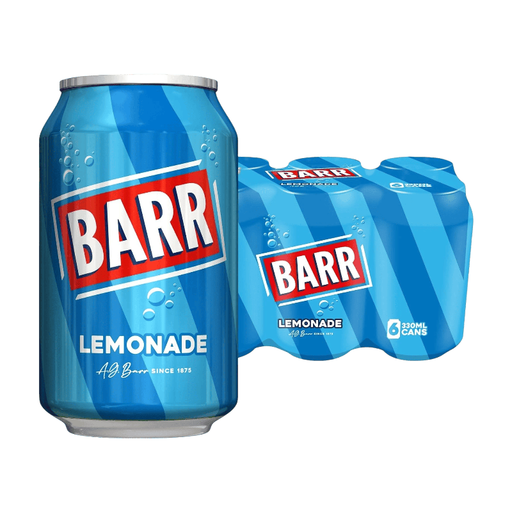
Why This Fits Their Persona: A six-can format is manageable for first-time buyers, small households and casual lunches without committing to a large case.
The listing provides per-100ml and per-330ml nutrition figures, making the sugar and calorie content easier to compare.
330ml cans; 40kcal per can; suitable for chilled everyday serving.
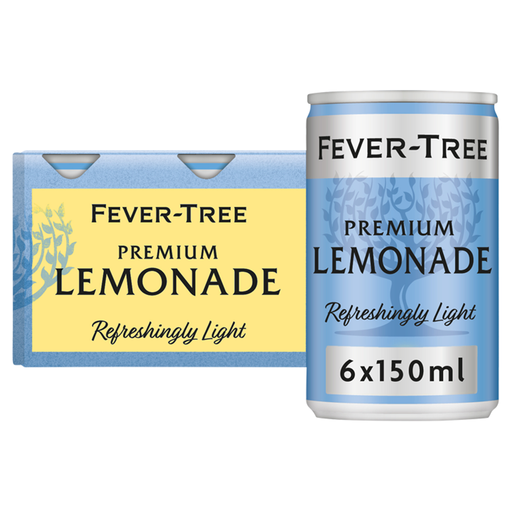
Why This Fits Their Persona: The compact bottles suit hosts preparing measured mixers for dinner parties, home bars and hospitality-style serves.
Its ingredient list specifies lemon juice from concentrate and no artificial flavours or sweeteners, rather than relying only on broad front-label language.
150ml serving size; 18kcal per 100ml; lemon and lime flavour profile.

Why This Fits Their Persona: A 24-can case suits offices, family homes and regular soft-drink buyers who want individual portions ready to chill.
The pack states zero sugar and zero caffeine, while the ingredients clearly identify aspartame and acesulfame K for shoppers checking sweeteners.
24 x 330ml; 0g sugar per can; lemon and lime flavour.
For a fruit-led sparkling drink, Hope Water Wanglemon contains kumquat lemon, apple and pear juices in a 24 x 300ml format. It contains 10.6g sugar per 100ml, so it should be compared with standard lemonade rather than zero sugar drinks.
Remedy Kombucha Raspberry Lemonade offers a pink, tangy option with 0g sugar per 330ml can and a four-can pack. Its raw and unpasteurised formulation makes checking the label and storage guidance particularly important.
Those seeking pink lemonade can also compare Folkington’s Pink Lemonade 1000ml, which lists Sicilian lemon juice and raspberry juice, with 7.1g sugar per 100ml.
We have compiled a complete, real-time list of products that fully satisfy these strict selection criteria and UK safety regulations.
Yes, but the format matters. Smaller 150ml bottles or cans provide a measured portion for spirits and cocktails. Check the sugar level, lemon content and flavour intensity before pairing with a drink.
Usually, it contains very few calories, but the exact amount varies. For example, the listed 7UP Zero products provide 2kcal per 330ml can. Always check the current product label, as recipes and pack information can change.
Store unopened drinks in a cool, dry place away from direct sunlight. Refrigerate opened bottles where the label instructs you to do so, and consume within the stated period. Cans are generally intended for immediate consumption once opened.