
24/7 Customer Support

Free returns

Same-day & Next-day Delivery

Quality Guaranteed

Unlock Your Welcome Offers: FREE Delivery | Up to 80% OFF | Free 30-day JoyPlus trial
Download the APP
Choosing between lemonade and lemon soft drinks can seem straightforward until you compare sugar levels, pack sizes, sweeteners, serving formats and intended use. A multipack for a family fridge has different requirements from a small bottle for a packed lunch or a mixer for weekend drinks.
The product label matters more than phrases such as “refreshing”, “natural” or “premium”. Use the following checks to avoid paying for features that do not suit your household.
Zero sugar lemonade usually achieves its sweetness through ingredients such as aspartame, acesulfame K or sucralose. This can reduce the sugar and calorie content, but it does not mean the drink contains no sweetening agents. Products containing aspartame also carry a source-of-phenylalanine statement, so check the ingredients and warnings if this is relevant to your household.
A six-pack of 330ml cans contains a different total volume from twelve 150ml mixer cans or 24 cans of 250ml. Calculate the approximate price per litre before choosing. Smaller cans may help reduce waste when serving mixers, while larger lemonade multipacks can be more practical for family meals and gatherings.
Lemon juice percentage, sugar content and flavourings all affect the taste. Some citrus soft drinks use lemon juice from concentrate alongside sweeteners or sugar. Others combine lemon with lime, kumquat, strawberry or additional fruit juices. Read the nutrition panel and ingredient list rather than relying on front-of-pack descriptions.
For a meaningful comparison, check nutrition per 100ml and per serving. A standard 330ml can may contain considerably more sugar than the per-100ml figure suggests. For example, Barr Lemonade lists 2.8g of sugar per 100ml and 9.1g per 330ml can, while 7UP Zero 330ml 24Pk lists 0g sugar and 7 calories per can according to the supplied product information.
Low-calorie fizzy drinks may suit shoppers reducing sugar intake, but the flavour profile can differ from traditional full-sugar lemonade. If you prefer a more conventional sweet taste, compare several options rather than assuming all zero-sugar recipes taste alike.
For cocktails and mocktails, consider carbonation, sweetness and can size. A 150ml serving can be convenient when you want to avoid opening a larger container.
Many products in this category are suitable for vegan and vegetarian diets, but check the individual packaging because recipes can change. Also look for allergen statements, especially “contains a source of phenylalanine” on drinks containing certain sweeteners.
Store unopened cans and bottles in a cool, dry place away from direct sunlight. Refrigerate after opening and consume promptly to retain carbonation and flavour. Do not use containers that are swollen, leaking or visibly damaged.
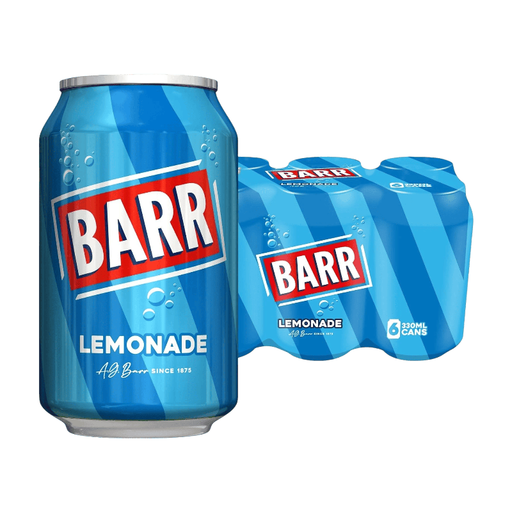
Why This Fits Their Persona: A six-can format provides a manageable way to try a familiar lemonade style without committing to a large case.
The 330ml serving and per-can nutrition figures make it easier to assess actual intake instead of relying only on the front label.
330ml cans; listed at 40 calories and 9.1g sugar per can.
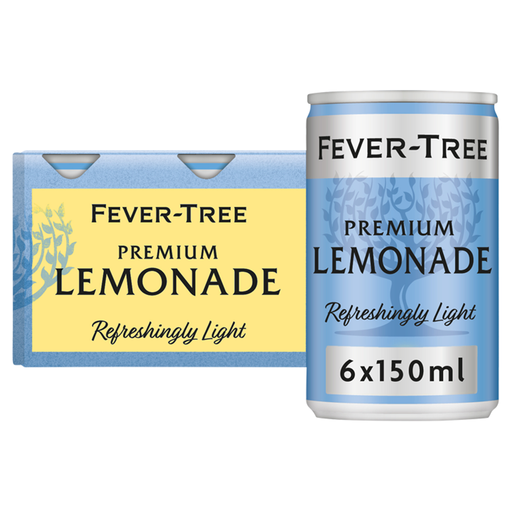
Why This Fits Their Persona: The compact cans are suited to UK hosts who want measured portions for vodka, gin or whisky serves.
The 150ml format helps avoid opening a large can when only one mixer serving is required.
Contains 2.5% lemon juice from concentrate; no artificial flavours or sweeteners are listed.
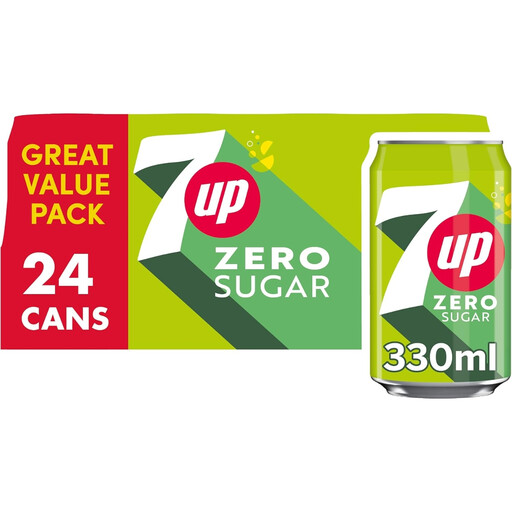
Why This Fits Their Persona: A 24-can case suits households that regularly serve sparkling lemon and lime drinks with lunches, gatherings or packed lunches.
The product information clearly states zero sugar and provides both 100ml and 330ml nutrition values.
0g sugar and 7 calories per 330ml can; suitable for vegans and vegetarians.
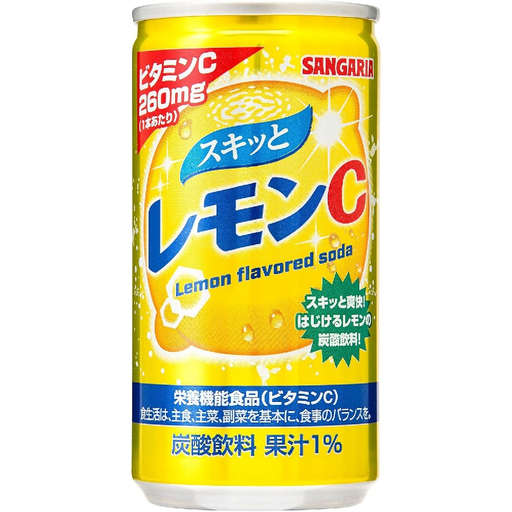
Why This Fits Their Persona: The small Japanese drink format is convenient for office breaks, on-the-go refreshment or trying a different citrus style.
The 190g serving is clearly defined, making portion comparison easier than judging a larger bottle by its front-of-pack design.
Made in Japan; contains lemon juice from concentrate and added vitamin C.
We have compiled a complete, real-time list of products that fully satisfy these strict selection criteria and UK safety regulations.
Zero-sugar recipes may contain sweeteners, including aspartame. Always read the current packaging, particularly if someone in your household needs to avoid phenylalanine or has specific dietary requirements. “Zero sugar” describes the sugar content; it is not a general health endorsement.
For larger households and gatherings, lemonade multipacks with 330ml cans offer individual portions and straightforward chilling. For cocktails, mocktails or controlled serving sizes, 150ml mixer cans can reduce opened-drink waste. Compare the total volume and storage space before ordering.
Keep unopened cans and bottles in a cool, dry place away from direct sunlight. Chill before serving for a sharper, more refreshing texture. Once opened, refrigerate where appropriate and consume promptly, as carbonation fades quickly. Check the packaging for the applicable best-before information and handling instructions.