
24/7 Customer Support

Free returns

Same-day & Next-day Delivery

Quality Guaranteed

Unlock Your Welcome Offers: FREE Delivery | Up to 80% OFF | Free 30-day JoyPlus trial
Download the APP
Choosing lentils and pulses should be straightforward, but pack sizes, cooking times and storage instructions can make a significant difference to value and convenience. UK shoppers may be comparing red split lentils, brown lentils, chana dal, moong dal, pigeon peas and ready-to-use canned lentils for everything from weekday soups to large-batch curries.
Several common buying traps can lead to waste:
The shape and processing of a pulse affect its cooking texture.
For occasional meals, 400g or 500g packs can help prevent an opened bag from sitting unused. If you regularly prepare curries and soups, a 2kg or 5kg bulk lentils pack may reduce the number of shopping trips.
Before buying, consider:
A large pack is not automatically better value if it is difficult to store or will not be used before quality declines.
For a simple pantry staple, an ingredients list such as “red split lentils (100%)” or “brown lentils (100%)” makes it easy to understand what you are buying. Organic lentils may appeal to shoppers who specifically want certified organic ingredients, but certification and packaging details should be checked on the product label.
Do not eat dried lentils raw. Sort and rinse them, then follow the pack instructions. For reheated cooked pulses, follow the product’s heating guidance and ensure the food is piping hot. Always check the current packaging because allergen, storage and shelf-life information can change.
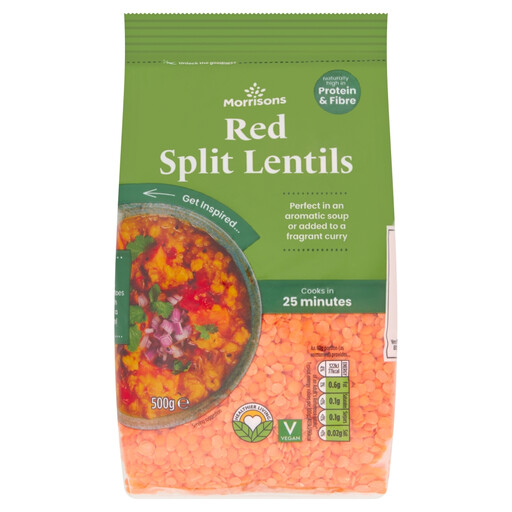
Why This Fits Their Persona: A manageable 500g pack suits first-time buyers, smaller households and cooks who want to try red lentils for dal curry, soup or stew without committing to a bulk quantity.
The pack gives clear cooking and storage guidance, while the listed ingredient is 100% red lentils. The label also identifies that its nutrition figures are shown as consumed.
500g quantity; approximately 17 servings stated on the product information; no soaking is typically needed for red split lentils.
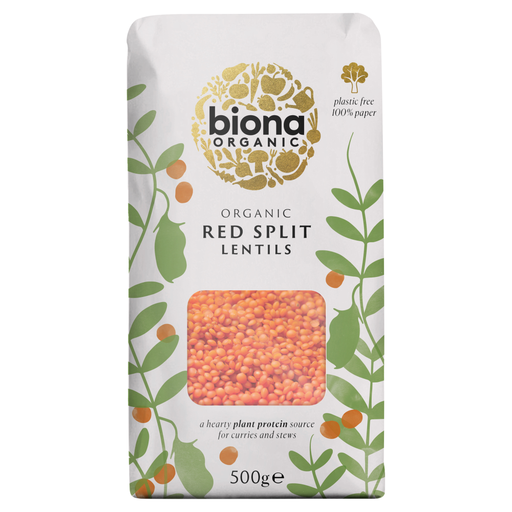
Why This Fits Their Persona: Suitable for shoppers looking specifically for certified organic lentils in a compact format for regular vegetarian and vegan cooking.
The product information identifies the ingredient as certified organic red split lentils and lists no allergens. Buyers should still check the physical pack before use.
500g paper bag; organic red split lentils; suitable for curries, soups and stews.
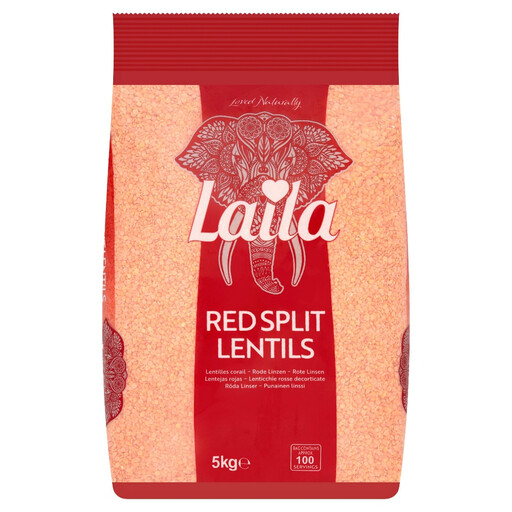
Why This Fits Their Persona: The 5kg format is designed for households, meal preppers, caterers and anyone making lentils for curries and soups frequently.
The pack states the net quantity and approximately 100 servings, helping heavy users assess volume rather than relying on vague value claims.
5kg pack; 15–20 minute simmering guidance; 100% red split lentils with no listed artificial additives.
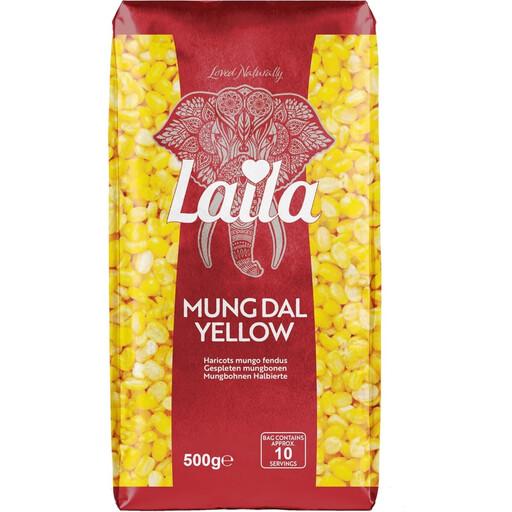
Why This Fits Their Persona: A 500g pack of split mung beans suits cooks preparing quick Indian dal, lighter curries and everyday vegetarian meals.
The ingredients list identifies split mung beans as the main ingredient, and the guidance explains rinsing, soaking and simmering rather than promising instant preparation.
500g pack; no added salt listed; 100% split mung beans, with allergen information provided.
For firmer textures, Laila Brown Lentils 2Kg is a practical option for salads, grain bowls, stews and meal prep. It includes cooking guidance of around 30–40 minutes and recommends transferring the opened pack to an airtight container.
If preparation time is the main concern, Cooks & Co Brown Lentils 400g provides pre-cooked lentils in brine. Drain them before use, and refrigerate leftovers according to the pack instructions. For a ready-to-heat option, Geetas Bombay Spiced Lentils 250G combines cooked mung dal, red split lentils, potato and spices; note that it contains mustard.
We have compiled a complete, real-time list of products that fully satisfy these strict selection criteria and UK safety regulations.
Yes. Plain dried lentils, chana dal, moong dal and pigeon peas are plant-based ingredients commonly used in vegetarian and vegan recipes. Check prepared products carefully, as sauces or ready meals may contain ingredients such as mustard or other allergens.
Red split lentils generally cook without overnight soaking after rinsing. Whole brown lentils may benefit from soaking to shorten cooking time, although the product instructions should take priority. Chana dal can also be soaked depending on the recipe and preferred texture.
Keep dried lentils in a cool, dry place, then transfer opened bags to an airtight container. Store canned or ready-to-eat products according to the label. Once opened, refrigerate unused canned lentils and follow the stated consumption timeframe. Always inspect, rinse and cook dried pulses thoroughly before eating.