Pen-first lesson annotators
Teachers and tutors who mark PDFs, write equations, sketch diagrams or make handwritten planning notes should check pen compatibility with the exact tablet before comparing other features.


Start with a tablet around 11 inches if handwriting, PDFs and mobile apps cover your lesson preparation; consider a 12-inch Windows 2-in-1 if essential software needs desktop Windows. Before choosing, check the space taken by the keyboard or stand in use, as well as pen compatibility and the apps you rely on.
Teachers and tutors who mark PDFs, write equations, sketch diagrams or make handwritten planning notes should check pen compatibility with the exact tablet before comparing other features.
People drafting lengthy plans, worksheets, emails or slide notes need to assess the typing angle, keyboard layout and trackpad alongside the tablet.
If essential school or specialist software requires desktop Windows, confirm that requirement before moving a lesson-planning workflow to iPadOS or Android.
Check required software first if it may determine the operating system; then compare the complete tablet, pen and keyboard setup against the space available on your desk.
| Concern | What to check | Who this matters to |
|---|---|---|
| Desk space and viewing position | Measure the available width and depth; compare the tablet and its exact keyboard case or stand in working position. | If papers must stay beside the screen, I need room to write without shifting the tablet each time. Around 42% of consumers put usable desk space first. |
| Handwritten annotation | Confirm which pen works with the exact model and whether your required PDF and whiteboard apps run on it. | When marking worksheets or drawing explanations is central to preparation, I want a pen setup that works with those files. Around 33% of consumers prioritise handwriting and annotation. |
| Typing and desktop software | Check essential apps and file workflows, then verify keyboard compatibility and layout for the exact tablet. | For long plans or school tasks tied to desktop applications, I need the right software and a workable typing position. Around 25% of consumers put that workflow first. |
A keyboard cover, hinge or kickstand can take up more desk depth than the bare tablet suggests.
Measure the space available and compare it with the complete setup at a usable viewing angle.
Apple lists its iPad Air Magic Keyboard separately, and Microsoft describes Surface Pro keyboards and pens as optional. A picture of a typing or writing setup does not establish a bundle’s contents.
Check the exact product listing, compatible accessory generation and keyboard layout before choosing.
An essential desktop application, browser extension or managed school workflow may determine whether a mobile operating system is practical.
List the tools and file workflows you cannot change, then confirm them on the operating system you intend to use. If desktop Windows is essential, assess a Windows 2-in-1.
UK government guidance says electrical products should be recycled rather than placed in household rubbish; damaged or wet lithium-ion batteries can also present a fire risk.
Use an appropriate electrical recycling collection point, or check the like-for-like retailer take-back route when buying a replacement.
The 11-inch iPad Air is an iPadOS option for lesson-planning apps, PDF annotation and an optional keyboard-and-trackpad setup.
The 10.9-inch Galaxy Tab S10 FE is an Android option for touch-led planning and S Pen-oriented note-taking.
Surface Pro offers a Windows 2-in-1 route when lesson preparation depends on desktop software.
The Lenovo Tab Plus is an Android option to consider when a larger screen and built-in stand suit the preparation routine.
These options include an E Ink writing device and tablets for pen-led or keyboard-assisted planning. Compare each complete setup with your desk space and required lesson-planning software; the larger-screen option needs particular attention to fit.
 No image available
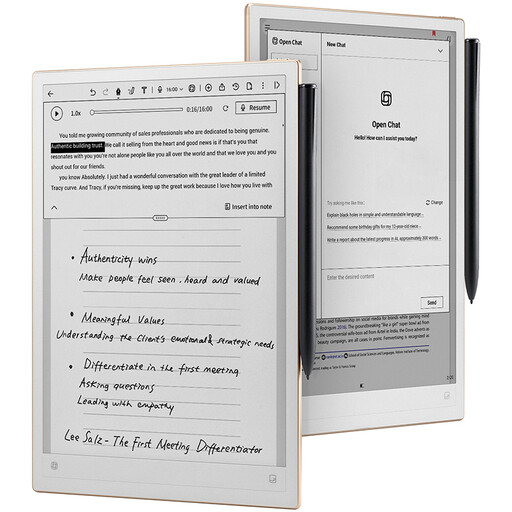
Consider this writing-focused device if handwritten planning is more important than running a particular school app; check the apps and document workflows you need before buying.
The product name specifies a 10.65-inch E Ink screen, a 4.2 mm device thickness and voice-to-text features.
 No image available
Consider this bundle if you want to switch between typing and pen input; check how much desk space the keyboard takes when in use and whether the stylus suits your handwriting tasks.
The product name specifies a 10.1-inch display and 256 GB storage. Confirm the installed Android version and compatibility with essential apps before buying.
 No image available
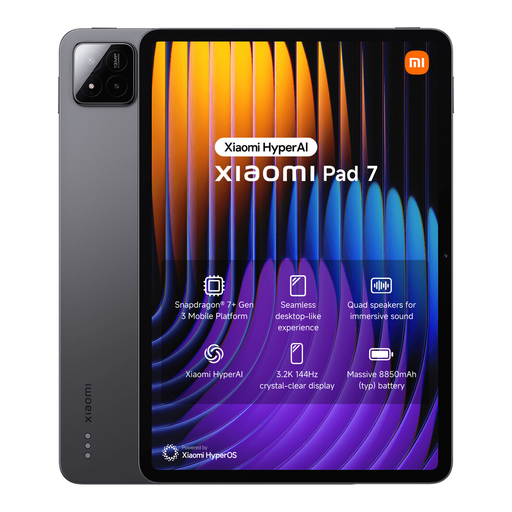
Consider this for pen-led lesson notes if its apps meet your needs. Check its physical dimensions and any stand or keyboard you plan to use on your desk.
The product name specifies an 11.2-inch tablet, 8 GB RAM, 128 GB storage and an included Focus Pen.
 No image available
Consider the larger display for visual lesson materials only after checking that the tablet and any stand leave enough room for papers and writing.
The product name specifies a 12.7-inch 2K display, 256 GB storage, Android 15 and an included stylus with 4,096 pressure levels. Check keyboard or stand bundle contents if you need a typing setup.
Start by comparing around 11-inch tablets with your available desk space, then consider a 12-inch device if its desktop-style workflow matters more to you. Apple UK gives physical dimensions of 247.6 × 178.5 mm for the 11-inch iPad Air Wi-Fi model; measure again for the keyboard or stand you would actually use.
Check the exact bundle rather than assuming both are included. Apple lists Magic Keyboard for iPad Air separately, while Microsoft describes Surface Pro keyboards and Slim Pen as optional; accessories and compatibility can differ by model.
Choose the operating system that runs your essential lesson-planning tools and file workflows. Confirm school portals, specialist apps and browser extensions on iPadOS or Android before switching; if a required application needs desktop Windows, assess a Windows 2-in-1 instead.
Recycle it through an appropriate electrical-waste collection route rather than putting it in household rubbish. UK government guidance also describes like-for-like retailer take-back when you buy a replacement electrical product; check the arrangements for the retailer you use.