Choose a full-size keyboard with a number pad if entering loan IDs, dates and figures is your main task, and look for an explicit quiet-key description when colleagues sit nearby. If long typing sessions bring discomfort, consider a split layout alongside the whole workstation setup. For a fixed desk where wireless pairing is inconvenient, a wired USB model offers a simpler connection if the port and keyboard layout suit the office.
Who needs which features?
Frequent loan-data entrants
If you regularly enter loan IDs, dates, counts and spreadsheet figures, a familiar full-size layout and dedicated number pad may matter more than saving desk width. Check the exact layout rather than assuming every keyboard has the keys you use most.
People working beside colleagues
When others work or take calls nearby, look for a quiet-key description for the particular model. Logitech and Dell make such descriptions for some of their office keyboards; a slim appearance alone says little about typing noise.
People typing for long sessions
If prolonged record analysis is uncomfortable, a split layout may be worth considering, but the keyboard is only one part of the desk setup. The Health and Safety Executive advises positioning the keyboard centrally and just below elbow height.
What should you check?
Start with the keys needed for loan records, then check how the keyboard fits the shared desk, nearby colleagues and the office computer.
| Concern |
What to check |
Who this matters to |
| Number entry |
Confirm a dedicated number pad and the required English-UK key layout; allow for the desk space a full-size board uses. |
Repeatedly entering loan IDs, dates and counts makes a familiar numeric layout the priority. Roughly 31% of consumers would put number entry first. |
| Typing noise |
Look for an explicit quiet-key or reduced-noise description for the exact model, rather than judging by its shape or switch label. |
Working close to colleagues makes avoidable key noise a concern during routine data entry. Around 25% of consumers would prioritise quieter typing. |
| Long-session comfort |
Consider keyboard shape alongside desk and chair setup; check whether it can sit centrally and just below elbow height. |
When extended analysis is uncomfortable, I need a setup I can position appropriately throughout the session. For about 25% of consumers, comfort would be the primary concern. |
| Office compatibility |
Check available USB ports, permitted Bluetooth or receiver use, and whether the keyboard must work at a shared desk. |
At a desk used with an assigned or shared computer, I want a connection that fits the equipment and office rules. Straightforward setup would come first for roughly 19% of consumers. |
Mistakes to avoid
-
Expecting a keyboard alone to resolve discomfort
Screen position, chair adjustment and desk arrangement still affect how you work. The Health and Safety Executive treats display-screen-equipment risk as a whole-workstation matter.
Position the keyboard centrally and just below elbow height, and arrange a workstation assessment where the applicable workplace conditions call for one.
-
Assuming every QWERTY keyboard has the same UK layout
Dell identifies an English-UK KB216 variant, while a separate Joybuy KB216 listing identifies a US International layout. The QWERTY label alone does not settle the punctuation and key arrangement your office uses.
Check the exact variant name and layout details before choosing a keyboard for a UK-labelled workflow.
Getting the layout wrong can mean time spent adjusting to different punctuation and shortcut positions.
-
Treating a slim keyboard as automatically quiet
Low-profile and switch-design terms do not establish a measured sound level. Quiet-key descriptions from Logitech and Dell apply to the models they identify, not to every keyboard with a similar shape.
Check for a quiet or reduced-noise description tied to the exact model if typing disturbance is a deciding factor.
-
Choosing wireless before checking office IT rules
A wireless keyboard must use a connection method permitted by the workplace and compatible with the computer. A wired USB option avoids pairing, but still needs a suitable port.
Check the computer’s ports, Bluetooth and receiver rules, and whether the keyboard will stay at one desk or move between approved devices.
Brands to consider for these keyboard styles
Logitech
Logitech offers conventional wireless office keyboards such as MX Keys S and split-layout models such as ERGO K860 Business. Compare their layouts rather than treating them as interchangeable comfort solutions.
- Logitech says increased key stability reduces noise on MX Keys S; it describes the ERGO K860 Business as having a curved split keyframe and integrated number pad.
- A split keyboard still needs to fit the user’s desk, screen and chair arrangement.
Dell
The English-UK KB216 is a conventional wired choice for a computer with an available USB-A port.
- Dell specifies a number pad, adjustable tilt and quiet keys for this UK variant.
- The cable restricts placement compared with a wireless connection; check the exact layout because KB216 variants differ.
CHERRY
The KC 6000 SLIM illustrates a slim, full-size scissor-switch option when desk arrangement matters but a conventional key layout is wanted.
- CHERRY specifies a full-size format, scissor mechanism and integrated metal plate for the KC 6000 SLIM.
- Check the exact regional layout and computer connection: CHERRY lists Windows and USB-A for the standard model, while its KC 6000C for Mac is a separate product.
Joybuy keyboard options
These choices include full-size and split-layout keyboards, a compact-layout option and a keyboard-and-mouse set. Compare the exact key arrangement and connection with the office desk before deciding.
 No image available
Targus EcoSmart Full Size Wireless Keyboard (UK)
Consider this full-size UK variant for regular loan-record entry if its exact key arrangement suits your workflow.
Check the wireless connection against office IT rules and confirm that the number-pad layout meets your needs.
View on Joybuy
 No image available
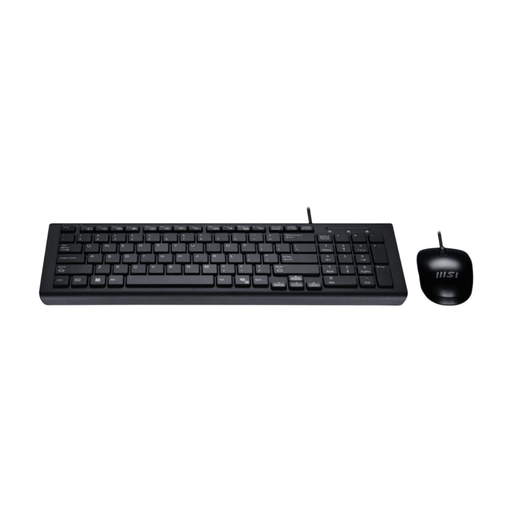
MSI GK-701 Keyboard and Mouse Set, USB, UK Layout
For a fixed office computer, this set puts a UK-layout keyboard and mouse in the same choice.
Check that its USB connection fits a permitted port and that the keyboard has the numeric arrangement your loan records require.
View on Joybuy
 No image available
HP 960 Ergonomic Split Layout Wireless Keyboard with Padded Wrist Rest
For longer analysis sessions, assess this split-layout model alongside the position of the screen, chair and keyboard.
Confirm its exact regional key layout and how you would arrange numeric entry at the desk; the padded wrist rest does not replace a suitable workstation setup.
View on Joybuy
 No image available
ASUS ROG Strix Scope II 96 Wireless Keyboard, White, UK Layout
If desk width and numeric entry both matter, check whether this UK-layout model has the key arrangement your spreadsheets require.
Confirm the fitted switch option and typing sound before choosing it for a shared office; its model name and layout do not establish quiet typing.
View on Joybuy
 No image available
Hyper HyperSpace Next Bluetooth Keyboard (UK), White
If you work between approved devices, check whether this Bluetooth UK variant fits each computer and the office connection rules.
Confirm its numeric key arrangement for loan-data entry and its typing noise if colleagues work close by.
View on Joybuy
Common questions
Does workplace guidance require a split ergonomic keyboard?
No particular split layout is prescribed in the cited Health and Safety Executive guidance. For employees who use display screen equipment daily as part of normal work for continuous periods of an hour or more, the HSE says employers must assess their workstations; keyboard choice is one part of that assessment.
Where should the keyboard sit during loan-data work?
Keep it centrally in front of you and just below elbow height, in line with Health and Safety Executive posture guidance. Arrange the screen and other equipment so you do not need to twist to type.
Does English-UK QWERTY matter if a keyboard is already labelled QWERTY?
Yes, if staff rely on the office’s UK key arrangement: QWERTY does not identify every punctuation key or regional variant. Dell identifies separate English-UK and US International KB216 variants, so check the exact product layout before buying.
How should an old office keyboard be disposed of?
Use your employer’s approved IT-asset or electrical-equipment disposal process rather than general waste. UK government guidance identifies the Waste Electrical and Electronic Equipment Regulations as the basis for arrangements covering relevant electrical equipment.


