Spreadsheet and dashboard analysts
You compare many loan records, columns or dashboard panels and need enough usable screen space to keep the relevant information in view.


A height-adjustable 27-inch QHD or 4K monitor is a useful starting point for analysing wide library-loan spreadsheets; consider 4K when your computer supports it and you want more pixels for tables or dashboards. A 23.8-inch Full HD display may suit a smaller desk or simpler documents, while every option needs comfortable positioning, manageable reflections and a compatible laptop connection.
You compare many loan records, columns or dashboard panels and need enough usable screen space to keep the relevant information in view.
You spend extended periods reading, filtering and entering data. Screen adjustment, desk position and control of reflections matter alongside resolution; the Health and Safety Executive advises considering the whole workstation.
You move a laptop between locations and would value a straightforward display connection, potentially with peripheral connections and charging. Those functions depend on the particular monitor and laptop.
Start with how much of a loan spreadsheet needs to be visible at once, then check whether the screen fits your desk and connects to your laptop as intended.
| Concern | What to check | Who this matters to |
|---|---|---|
| Workspace for data | Compare screen size and native resolution, and confirm your computer can output that resolution. Check whether text remains readable at your preferred scaling. | If I compare wide loan records with dashboard panels, I want enough room to see the relevant columns without constant window rearranging. Roughly 37% of consumers would put data workspace first. |
| Positioning and glare | Check stand adjustment and the screen's position relative to windows or bright lights; measure the usable desk space. | During long analysis sessions, I need a screen I can position comfortably without distracting reflections. Around 27% of consumers would prioritise their workstation setup. |
| Laptop connection | Confirm the laptop's video output, the monitor's input and, if needed, USB-C power delivery and cable compatibility. | When I bring a laptop to the study, I want the display connection and any charging to work with that particular computer. About 18% of consumers would make connectivity their primary concern. |
| Proportionate features | Decide whether your work calls for 4K, a USB-C hub or a monitor arm before choosing those features. | If my work is mostly smaller spreadsheets and documents, I would rather keep the setup straightforward than add functions I will not use. Roughly 18% of consumers would put simplicity first. |
USB-C charging levels differ between monitors, and a laptop also needs a compatible video connection. A USB-C socket alone does not establish that both video and adequate charging will work.
Check the laptop's video and charging requirements against the exact monitor's power-delivery specification, and confirm which cable is supplied.
A 31.5-inch screen or clamp-mounted stand needs suitable physical space. On a 4K display, you may also prefer operating-system scaling to keep text readable.
Measure the usable desk width and depth, check the edge if a clamp is required, and try your preferred text scaling on the connected computer.
The Health and Safety Executive's display-screen guidance considers positioning, lighting, glare and work routine, not a monitor feature in isolation.
Choose adjustment that works with your desk, place the screen to avoid bright reflections, and plan breaks or changes of activity during long sessions.
Full HD, QHD and 4K offer different amounts of desktop space, but extra pixels are not automatically useful for a smaller spreadsheet or document-focused task.
Decide how many columns or windows you need in view, then compare models that also meet your stand, desk and connection requirements.
Dell's UltraSharp range includes desk-productivity monitors with adjustable stands and connectivity that varies by model.
BenQ's cited home-office models offer Full HD and QHD routes for a study desk.
LG's cited UltraFine models provide 27-inch and 31.5-inch 4K options with different desk and connection requirements.
These monitors offer QHD and 4K options for desk-based spreadsheet and dashboard work. Choose between them by checking your preferred screen size, desk fit and the connections your laptop can use.
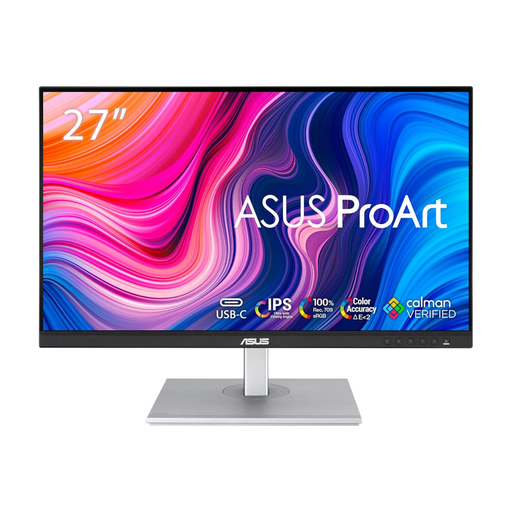 No image available
Consider this QHD option when you want room for spreadsheet columns without choosing a 4K display.
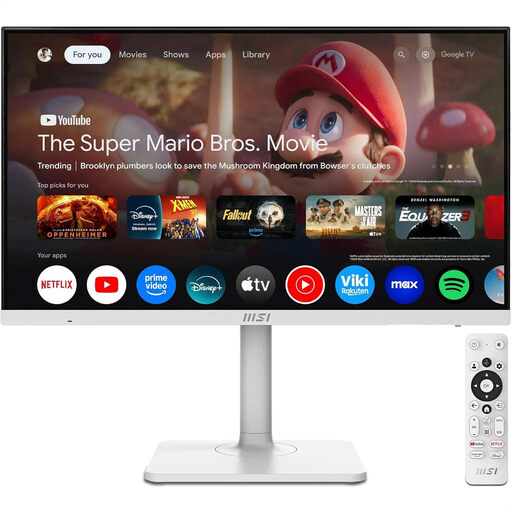 No image available
Consider this 4K screen if viewing dense loan tables is a priority and your computer can drive the resolution comfortably.
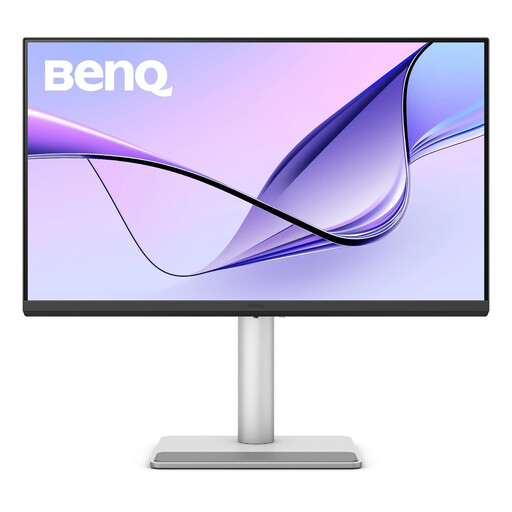 No image available
This 4K option is worth considering for detailed records if its glossy finish works with the lighting in your study.
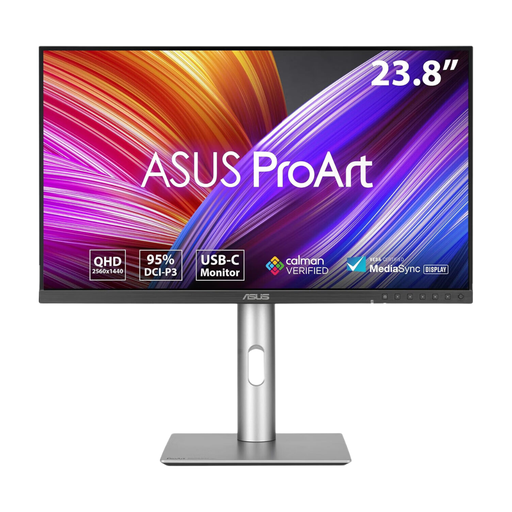 No image available
Consider this QHD model when you want a smaller physical display for a study desk while retaining QHD resolution.
 No image available
Consider this display for dense spreadsheets when HDMI or DisplayPort suits your computer connection.
No: 4K is worth considering when you need space for wide spreadsheets or several dashboard panes and your computer supports 3840 × 2160 output. An adjustable Full HD or QHD monitor may be more proportionate for smaller spreadsheets and documents; check how readable text looks at your preferred scaling.
Only if the laptop supports the required USB-C video connection and the monitor supplies enough power for that laptop. Check the exact monitor's power-delivery rating and the required cable rather than assuming that all USB-C ports perform the same functions.
No. The Health and Safety Executive advises arranging the desk and screen to avoid glare and bright reflections, alongside suitable positioning and breaks or changes of activity. A display mode does not address those parts of a long-session setup.
Employer duties for display-screen equipment should not be assumed to apply to personal student study. The Health and Safety Executive says employers must assess a workstation when a worker uses display-screen equipment daily as part of normal work, continuously for an hour or more; it also says an employer must provide an eyesight test when a display-screen-equipment user requests one.