
24/7 Customer Support

Free returns

Same-day & Next-day Delivery

Quality Guaranteed

Unlock Your Welcome Offers: FREE Delivery | Up to 80% OFF | Free 30-day JoyPlus trial
Download the APP
A well-dressed salad can be the centrepiece of a satisfying meal, but finding the right dressing can be a challenge. Many of us want the convenience of a bottled dressing without the high calorie, fat or sugar content that can undermine an otherwise healthy dish. Navigating the supermarket aisle reveals a huge variety of options, making it difficult to know which light salad dressing will deliver on flavour without the extra baggage.
This guide is designed to help you make an informed choice. We will walk through what to look for when shopping and highlight a few popular options available in the UK, so you can find a dressing that complements your meals and meets your dietary preferences.
Choosing a dressing involves more than just picking a familiar brand. Keeping a few key points in mind can help you select a product that you will genuinely enjoy.
The term 'light' or 'lite' on a salad dressing UK label typically indicates that the product contains a reduced amount of fat—often at least 30% less than the standard version from the same brand. However, this doesn't always equate to being low in sugar or salt. To get a complete picture, it's always wise to check the nutritional information per serving. Look for the calories, fat, sugars and salt content to ensure it aligns with your goals for a low calorie salad dressing.
A quality dressing often starts with a simple, recognisable list of ingredients. For a healthy vinaigrette, you might look for a base of oil (like rapeseed oil) and an acid (such as white wine or cider vinegar), seasoned with herbs and spices. If you follow a specific diet, checking the ingredients is crucial. For a vegan salad dressing, ensure the product is free from honey, egg and dairy derivatives.
The right dressing can do more than just liven up lettuce. A well-balanced vinaigrette can be used as a marinade for chicken or fish, a dip for raw vegetables or a flavourful drizzle over roasted potatoes and pasta salads. Thinking about how else you might use the dressing can help you choose one that offers better value and becomes a staple in your kitchen.
Here are a few popular choices that cater to different tastes and dietary needs, from lighter options to classic benchmarks.
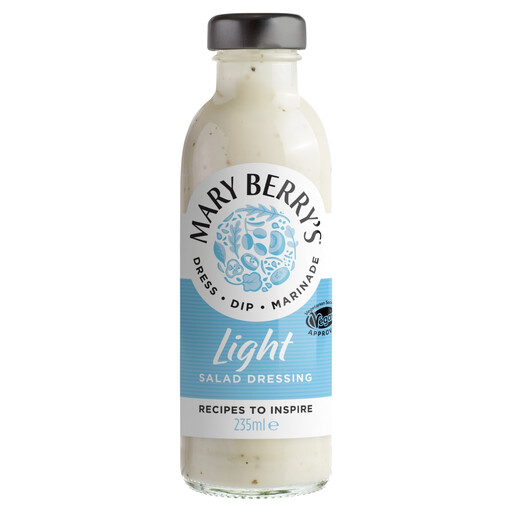
Why It Stands Out This dressing from the popular Mary Berry's dressing range is designed for those who enjoy the original's flavour but are seeking a lighter alternative. According to the manufacturer, it contains 50% less fat than the classic version. With a base of rapeseed oil and white wine vinegar, it maintains a balanced, tangy flavour profile with notes of mustard, parsley and basil. At just 46kcal per 20ml serving, it's a straightforward choice for daily use.
Pros:
Who is it for? This is an excellent option for health-conscious individuals and fans of the original Mary Berry's dressing who want a lower-calorie, lower-fat version without a noticeable compromise in taste. Its vegan status also makes it suitable for a wider range of dietary needs.
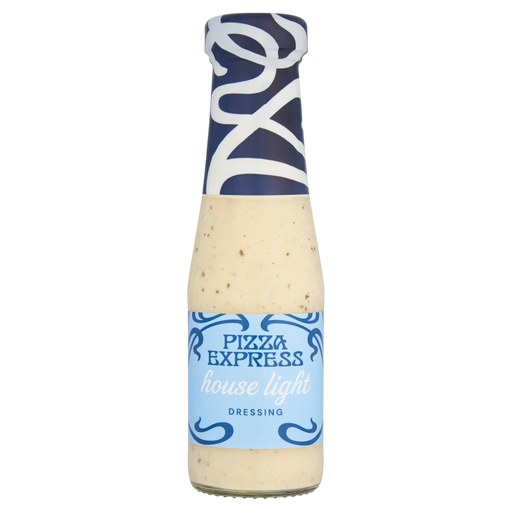
Why It Stands Out For those who love the iconic taste of the Pizza Express dressing, this light version brings the restaurant experience home. The brand states it has at least 30% less fat than its standard House dressing. It has a distinct, tangy flavour profile led by white wine vinegar (47%) and seasoned with oregano, parsley and garlic. It’s a sharp, herb-forward dressing that cuts through rich salad ingredients nicely.
Pros:
Who is it for? This dressing is ideal for anyone who enjoys the signature tangy flavour of the Pizza Express house dressing and wants a lighter version. It's particularly well-suited for those who prefer a vinegar-based dressing over a creamier one. Note that it contains free-range egg yolk, so it is not suitable for vegans.
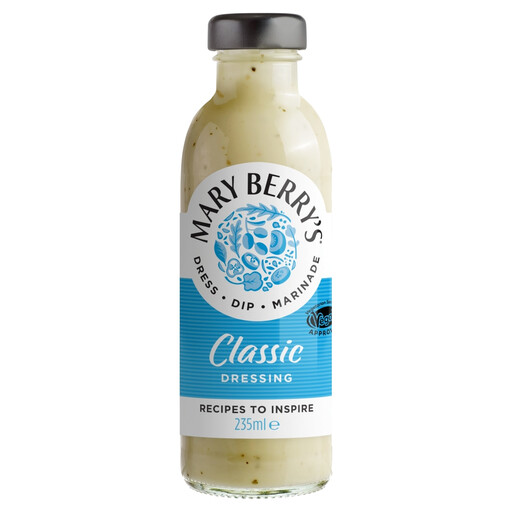
Why It Stands Out To understand what 'light' means, it helps to look at the original. This is the benchmark classic vinaigrette from Mary Berry's range. With a higher rapeseed oil content (35%), it has a richer, fuller body and a more pronounced flavour than its lighter counterpart. It’s a testament to a classic recipe that has become a kitchen staple across the UK for its balance and versatility.
Pros:
Who is it for? This dressing is for those who prioritise flavour and texture above all else. It’s a great choice for dinner parties or when you want to make a salad feel more indulgent. Comparing it to the light version helps you decide whether the trade-off in calories is worth it for your specific needs.
Our recommendations feature some of the most sought-after dressings, but the ideal choice is always a personal one. If you are looking for different flavour profiles or have specific dietary requirements, there are many other excellent products to discover.
Browse our full collection of Vegetarian Salad Dressing to find the perfect match for your next meal.
What is the difference between a vinaigrette and a dressing? A vinaigrette is a specific type of salad dressing. Its core components are oil and an acid, such as vinegar or lemon juice, often emulsified to create a stable mixture. The term 'salad dressing' is much broader and can include vinaigrettes as well as creamy dressings made with a base of mayonnaise, yoghurt or soured cream.
Are light salad dressings a healthy choice? A 'light' salad dressing can be a helpful choice if you are managing your calorie or fat intake, as it typically contains less of both than its standard counterpart. However, 'healthy' is relative. It is always a good practice to read the full nutritional label, paying attention to sugar and salt content, and to use any dressing in moderation as part of a balanced diet rich in fresh ingredients.
How can I enhance the flavour of a bottled light dressing? To give a bottled dressing a fresh boost, consider adding a squeeze of fresh lemon or lime juice to brighten the flavour. Finely chopped fresh herbs like parsley, chives or dill can also add another layer of complexity. For a little extra kick, try a dash of hot sauce or a pinch of freshly cracked black pepper just before serving.