
24/7 Customer Support

Free returns

Same-day & Next-day Delivery

Quality Guaranteed

Unlock Your Welcome Offers: FREE Delivery | Up to 80% OFF | Free 30-day JoyPlus trial
Download the APP
Light soy sauce is a versatile Asian cooking sauce, but choosing the right bottle can be less straightforward than it appears. Labels may use terms such as “premium”, “fresh”, “natural” or “reduced salt” without explaining how the sauce will perform in a stir-fry, marinade or dipping bowl.
For UK households, the main decision is not simply which bottle has the most appealing packaging. It is whether the sauce suits your recipe, dietary requirements, storage space and expected usage rate.
In Chinese cooking, light soy sauce usually refers to a thinner, saltier seasoning used for flavour rather than strong colouring. Dark soy sauce is generally thicker and deeper in colour, making it more suitable for braised dishes, stews and marinades where a darker appearance is wanted.
Using dark soy sauce in a delicate dish can overpower the ingredients and make vegetables, tofu or fish look much darker than intended. Conversely, light soy sauce alone may not provide the colour required for red-braised dishes.
A low-sodium soy sauce can contain less sodium than a comparable regular product, but it is still a concentrated seasoning. For example, the HADAY Rich & Aromatic Low-Sodium Light Soy Sauce lists 532mg sodium per 10ml serving, equal to 27% of the stated nutrient reference value.
Always compare the nutrition panel rather than relying only on front-of-pack wording. Portion size also matters: a large pour into a wok or dipping bowl can quickly outweigh the difference between two products.
“Premium soy sauce” may indicate a product positioned around brewing style, ingredients or packaging, but the term itself does not guarantee that it is right for every recipe. Check the ingredient list, allergen declaration, bottle size and intended use.
A naturally brewed soy sauce with a short ingredient list may appeal to shoppers seeking a traditional flavour, while a seasoned sauce containing sugar, flavour enhancers or mushroom extract may be more convenient for a specific dish.
Naturally brewed soy sauce commonly includes water, soybeans, wheat and salt, with fermentation contributing to its savoury aroma. Some products also contain sugar, yeast extract, flavour enhancers, preservatives, colour or sweeteners.
Neither format is automatically suitable for every cook. A short ingredient list may be important if you want a straightforward seasoning, while a seasoned formula can save time when preparing dipping sauces or steamed seafood.
Also check allergens carefully. Many Chinese soy sauce products contain soybeans and wheat, meaning they are unsuitable for people with soya or wheat allergies and may not be appropriate for those avoiding gluten.
A 250ml or 500ml bottle is practical for occasional cooks and smaller kitchens. Larger formats, such as 1.9L, may offer convenience for frequent stir-frying, catering or family cooking, but they need suitable storage and regular use.
Follow the packaging instructions. Many bottles should be refrigerated after opening, particularly when the product label recommends it. Keep soy sauce tightly closed and away from direct sunlight to help preserve its flavour.
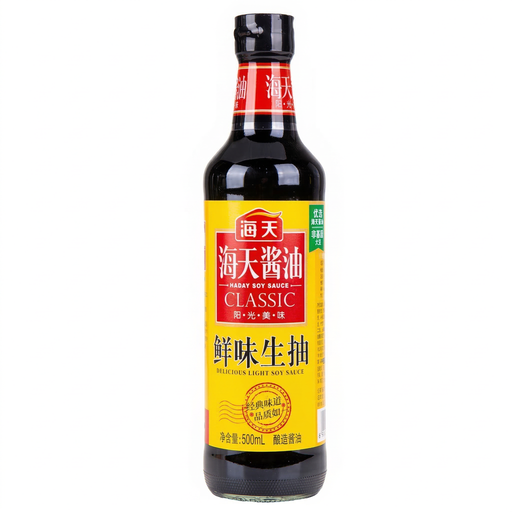
Why This Fits Their Persona: A practical 500ml format for UK cooks building an everyday Chinese cooking cupboard, with uses spanning stir-fries, dipping, marinades and cold dishes.
Its listed uses make it easier to choose one general-purpose bottle instead of buying several specialised sauces immediately.
Clear colour, soybeans and wheat in the ingredients, and a stated salt content of 14.3g per 100ml.
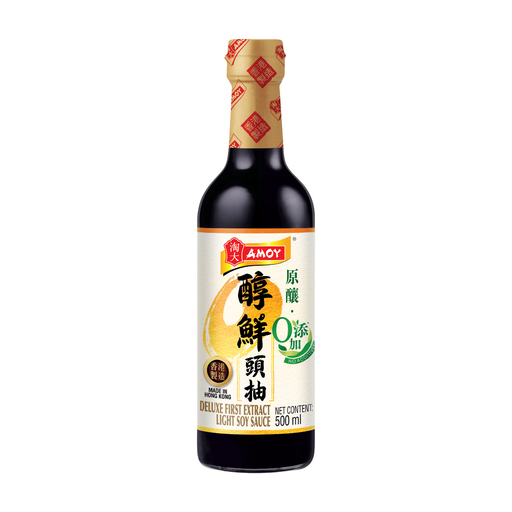
Why This Fits Their Persona: Suits cooks looking for a naturally fermented sauce with a simple ingredient list for drizzling, dipping and finishing steamed dishes.
The listed ingredients are water, soybeans, salt, wheat flour and sugar, avoiding assumptions based only on premium-style packaging.
500ml pack; no added preservative, MSG, flavour enhancer or artificial colour according to the product description.
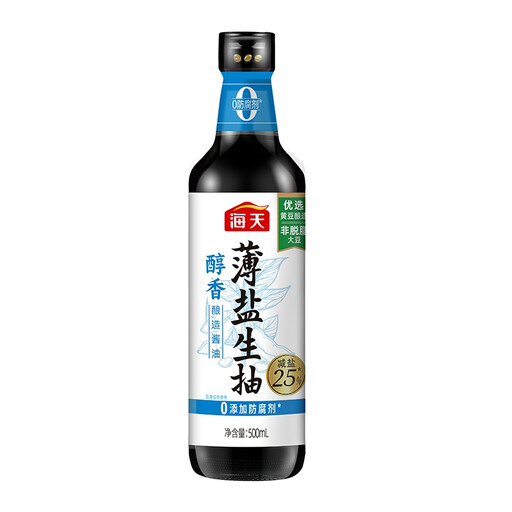
Why This Fits Their Persona: A useful option for shoppers comparing reduced-salt products for regular stir-fries, marinades, dipping sauces and cold dishes.
The nutrition panel provides a defined serving figure, allowing a more informed comparison than the phrase “low-sodium” alone.
500ml quantity; stated sodium level of 532mg per 10ml serving; contains soybeans and wheat.
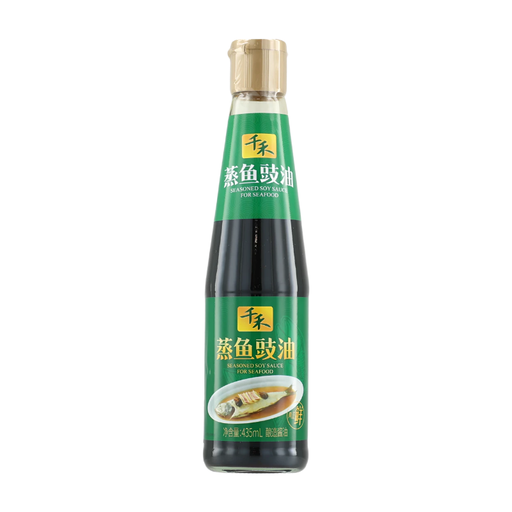
Why This Fits Their Persona: Designed for cooks who regularly prepare steamed fish, prawns, shellfish or light seafood dishes and want a dedicated finishing sauce.
Its stated purpose is steaming fish and seafood, reducing the need to adapt a dark or heavily flavoured sauce for delicate ingredients.
435ml bottle; suitable for seafood, dipping, light stir-fries and cold dishes; refrigerate after opening.
We have compiled a complete, real-time list of products that fully satisfy these strict selection criteria and UK safety regulations.
Start with a small amount and taste before adding more. This is particularly important when a recipe also includes stock, oyster sauce, fermented bean paste or salted meat.
For stir-frying, add the sauce around the side of the hot wok so it spreads quickly and coats the ingredients. For dipping, dilute it with water, rice vinegar, sesame oil, chilli or spring onion according to the dish. When marinating, balance salty soy sauce with aromatics such as ginger, garlic and spring onion.
If you want darker colour without adding a large volume of salty sauce, use a measured amount of dark soy sauce alongside light soy sauce rather than replacing one entirely.
Light soy sauce is one type of Chinese soy sauce, but “Chinese soy sauce” is a broad term covering light, dark, mushroom, sweetened and speciality varieties. Check the label and intended use before substituting one for another.
Shelf life varies by product and storage instructions. Keep the cap tightly closed, store the bottle as directed and refrigerate after opening when the label recommends it. Check the best-before information on the packaging and discard the product if its smell, appearance or taste changes noticeably.
Compare the declared sodium or salt per serving and per 100ml. A reduced-salt product may contain less sodium than a regular alternative, but soy sauce remains a concentrated condiment. Use measured portions and consider the salt already present in the rest of the meal.