
24/7 Customer Support

Free returns

Same-day & Next-day Delivery

Quality Guaranteed

Unlock Your Welcome Offers: FREE Delivery | Up to 80% OFF | Free 30-day JoyPlus trial
Download the APP
Light soy sauce is a staple for stir-fries, marinades, noodle dishes and dipping sauces, but the bottles on UK shelves can vary considerably in flavour, salt content, ingredients and size. A clear-looking sauce is not automatically a lower-salt option, while a “premium” label does not always mean it suits your cooking style.
This buying guide explains the practical details to check before purchasing, followed by recommendations matched to different household and catering needs.
In Chinese cooking, light soy sauce generally refers to colour and flavour style rather than a low-sodium recipe. It is usually lighter in colour and intended to season food without adding the deeper colour associated with dark soy sauce.
Salt levels can still be substantial. For example, the listed salt content is 15.6g per 100ml for Chu Bang Premium Light Soy Sauce and 19.3g per 100ml for Chu Bang Superior Light Soy Sauce. A reduced-salt product may contain less salt than its standard equivalent, but it should still be used in measured amounts.
Naturally brewed soy sauce may describe the fermentation method, but it does not necessarily mean the product is free from flavour enhancers, sweeteners, preservatives or colouring. Always read the full ingredients list.
For instance, HADAY Fresh Soy Sauce includes flavour enhancers, preservative and sweetener, despite being described as brewed from soybeans. By contrast, several zero-additive products list a shorter combination of water, soybeans, wheat, salt, sugar and yeast extract. “Zero additive” should still be checked against the packaging rather than assumed from front-label wording.
A 1.9-litre bottle can offer useful value for a busy household, restaurant or catering operation, but it may be inconvenient if you only cook Asian dishes occasionally. Once opened, storage instructions become important. Some bottles recommend refrigeration, while others advise keeping the container tightly sealed and using it promptly.
A 300–500ml bottle is easier to store in a smaller UK kitchen and may help preserve aroma when usage is occasional. Larger formats are more suitable where the sauce is used daily.
For a traditional Chinese light soy sauce, look for soybeans, wheat, salt and water near the start of the ingredient list. Wheat is common in many naturally brewed sauces, so anyone avoiding gluten should check the allergen declaration carefully.
A short ingredient list can be useful for shoppers seeking a zero-additive soy sauce, although yeast extract is still an ingredient and may be used to provide savoury depth. Products containing E621, E631, E635, preservatives, sweeteners or added colouring may offer a different flavour and appearance.
Compare the nutrition panel using the same basis, normally per 100ml. A “reduced-salt” or “low-sodium soy sauce” label does not mean salt-free. Chu Bang 30% Salt Reduced Premium Light Soy Sauce lists 14.0g salt per 100ml, while HADAY Rich & Aromatic Low-Sodium Light Soy Sauce provides sodium information per 10ml serving.
For everyday cooking, measure the sauce with a spoon rather than pouring directly from the bottle. This is particularly useful for marinades and dipping sauces, where several tablespoons can quickly increase the salt contribution of a meal.
Choose the size based on consumption:
For light soy sauce for stir-frying, a bottle with a controlled pourer can make it easier to add small amounts near the end of cooking. For soy sauce for dipping, aroma and balance may matter more than bottle capacity.
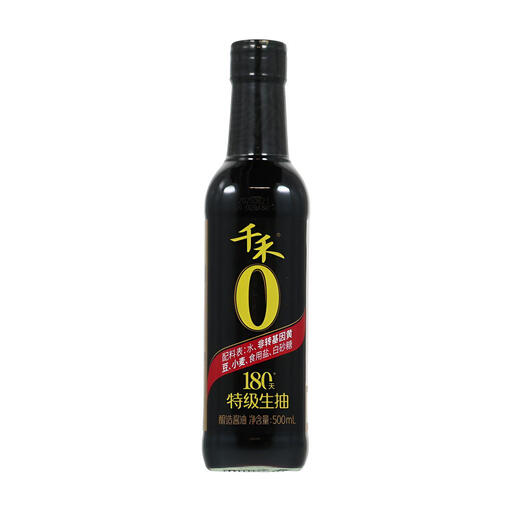
Why This Fits Their Persona: A manageable 500ml bottle gives new cooks a practical way to try Chinese light soy sauce for stir-fries, cold dishes and dipping without committing to a catering-size container.
The ingredient list is straightforward: water, defatted soybeans, wheat, salt and sugar, with no preservatives, colours or flavours added according to the product details.
500ml format; listed for stir-frying, dipping and cold dishes; salt content is 14.95g per 100ml.
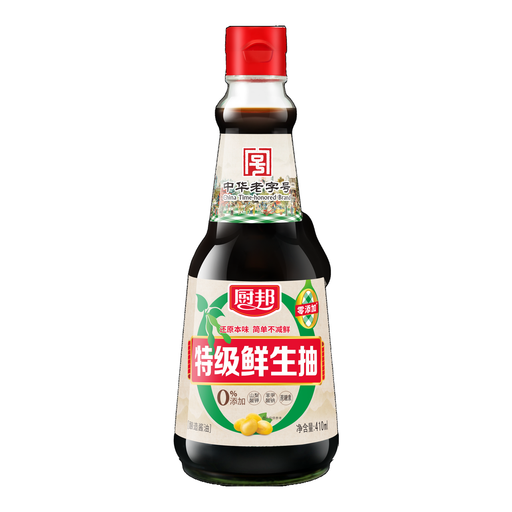
Why This Fits Their Persona: Suitable for shoppers prioritising a short ingredient list and a smaller bottle for controlled everyday use.
The supplied details identify five core ingredients plus yeast extract and state that preservatives, colourings and flavour enhancers are not added.
410ml size; suitable for stir-frying, marinating, dipping and seasoning; refrigerate after opening.
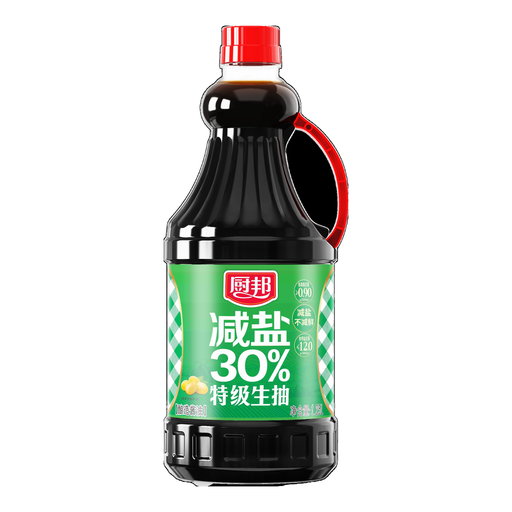
Why This Fits Their Persona: A useful option for cooks who want to compare reduced-salt seasoning with standard light soy sauce while retaining a large household-friendly bottle.
It is labelled as 30% salt reduced, but the nutrition panel still shows 14.0g salt per 100ml, helping shoppers make a measured comparison rather than assuming it is low-salt.
1.25-litre format; suitable for dipping, stir-frying, seasoning and salad dressings.
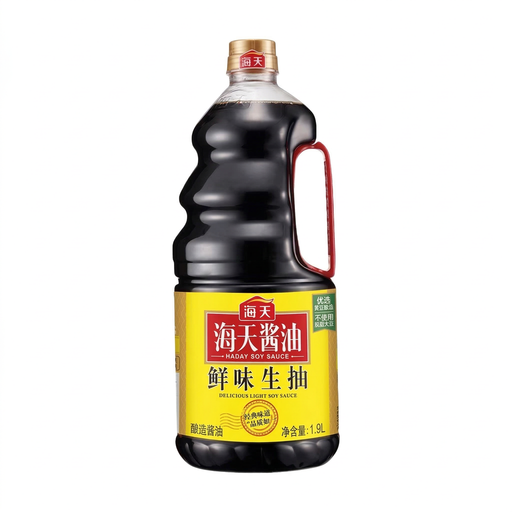
Why This Fits Their Persona: The 1.9-litre bottle suits restaurants, catering businesses and households that use Asian cooking sauce frequently.
The large format is worthwhile only for high usage, while the listed ingredients clearly identify flavour enhancers, preservative and sweetener before purchase.
1.9-litre capacity; listed for stir-frying, braising, dipping and marinades; salt content is 16.9g per 100ml.
We have compiled a complete, real-time list of products that fully satisfy these strict selection criteria and UK safety regulations.
They are often used for similar purposes, particularly seasoning, dipping and stir-frying, but names and recipes vary between brands and regions. Check the bottle’s ingredients, salt level and intended uses rather than relying on the name alone.
Shelf life depends on the product and storage instructions. Keep it in a cool, dry place before opening, then refrigerate if stated on the label. Check the best-before information and discard the sauce if its smell, colour or appearance changes noticeably.
It can be used in stir-fries, marinades and dipping sauces, but the flavour balance may differ from standard sauce. Start with a smaller quantity, taste the dish and adjust gradually. Also check the nutrition panel, as “reduced salt” does not mean salt-free.