
24/7 Customer Support

Free returns

Same-day & Next-day Delivery

Quality Guaranteed

Unlock Your Welcome Offers: FREE Delivery | Up to 80% OFF | Free 30-day JoyPlus trial
Download the APP
Light soy sauce is a staple for stir-fries, marinades, dipping sauces and everyday seasoning. However, choosing one from a crowded shelf or online listing is not always straightforward. Labels such as “premium”, “less salt” and “naturally brewed” can describe very different products, so comparing the nutrition panel and ingredients is more useful than relying on front-of-pack wording.
This guide explains the practical differences between light soy sauce, reduced salt soy sauce and low sodium soy sauce, with suitable options for UK households, Asian cuisine enthusiasts and commercial kitchens.
In soy sauce, “light” usually refers to colour and style rather than reduced salt. A light soy sauce is generally thinner and less dark than a dark soy sauce, making it useful for seasoning without heavily colouring food. It may still contain a considerable amount of salt.
For example, Chubang Savory Light Soy Sauce 1.9L lists 19.2g of salt per 100ml, while Qianhe 35% Reduced Salt Light Soy Sauce lists 9.1g per 100ml. These are noticeably different figures, despite both being light soy sauces.
“30% reduced salt” or “35% reduced salt” is normally a comparison with that product’s standard version, not necessarily with every soy sauce on the market. Check the actual nutrition information per 100ml and compare similar serving sizes.
A reduced salt soy sauce may still be a concentrated seasoning. It can help you control the amount used, but it should not automatically be treated as a salt-free or low-sodium product.
Most traditional Chinese and Japanese-style soy sauces contain soybeans and wheat, which means they are not suitable for people avoiding gluten. Ingredients may also include flavour enhancers, preservatives, sweeteners or colourings.
If you need a gluten-free soy sauce, check for a clear gluten-free statement rather than assuming that a Japanese soy sauce or naturally brewed soy sauce is suitable. Yutaka Reduced Salt Gluten Free Soy Sauce 150ml lists soybeans and rice, without wheat in the stated ingredients, but packaging should still be checked before purchase.
For shoppers managing sodium intake, the nutrition panel is the most practical starting point. UK labels commonly show salt per 100ml, while some imported products may also state sodium per serving.
Examples from the available range include:
These figures are not directly interchangeable unless the measurement basis is the same. Always consider both the salt or sodium concentration and how much sauce you normally pour.
A naturally brewed soy sauce may use fermentation or brewing as part of its production. Kikkoman’s reduced sodium product lists water, soybeans, wheat, salt and alcohol as its ingredients. HADAY 0 Golden Label Light Soy Sauce lists six stated ingredients: water, non-GMO soybeans, salt, wheat, sugar and yeast extract.
Products with shorter ingredient lists may appeal to shoppers who prefer a simpler formulation, while products containing flavour enhancers can deliver a stronger savoury impression. Neither approach is automatically right for every dish, so match the sauce to your taste and cooking habits.
A 500ml soy sauce bottle is a practical size for many households. Smaller bottles can be useful if you cook occasionally or want to reduce the time a bottle remains open. A large bottle soy sauce, such as 1.25L, 1.63L or 1.9L, may suit frequent cooks, restaurants and commercial kitchens, but only if you can store and use it before quality declines.
Follow the product’s storage instructions. Many bottles advise keeping the sauce in a cool, dry place and refrigerating after opening for best quality.
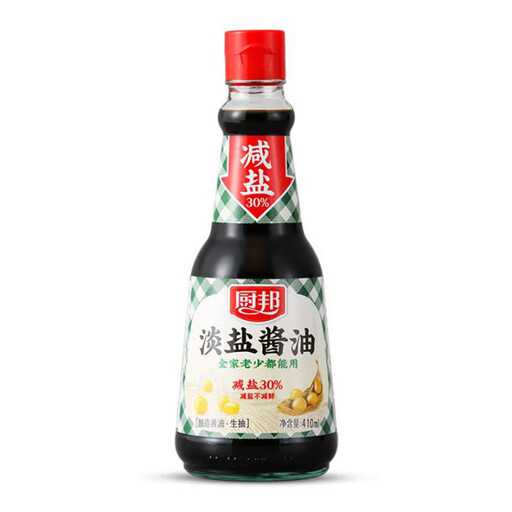
Why This Fits Their Persona: The 410ml bottle offers a manageable entry point for students, smaller households and occasional cooks who want a reduced salt option without committing to a large container.
Its reduced salt positioning is supported by a stated nutrition value of 12.5g salt per 100ml, so shoppers can compare the figure rather than relying only on the front label.
Ready to use for dipping, stir-frying, seasoning and salad dressings; contains soybeans and wheat.
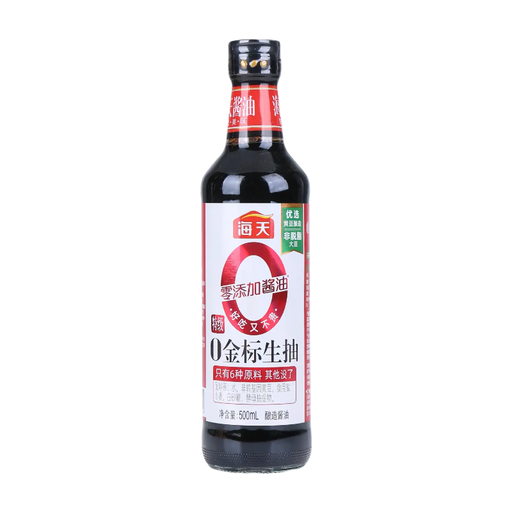
Why This Fits Their Persona: Suitable for shoppers who prioritise a shorter stated ingredient list and a light soy sauce for finishing steamed fish, vegetables, cold salads and dipping.
The product information states six ingredients and no added preservatives, while still clearly listing 15.6g salt per 100ml for an informed comparison.
500ml format; stated ingredients include non-GMO soybeans, wheat, salt, sugar and yeast extract.
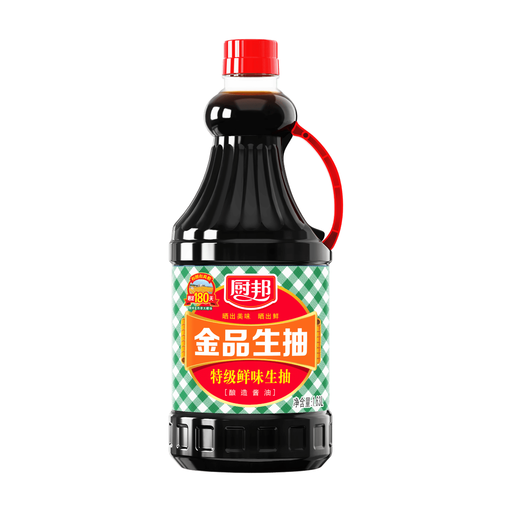
Why This Fits Their Persona: The large format suits busy family kitchens, meal-prep routines, restaurants and commercial kitchens that use soy sauce regularly across stir-fries, marinades and dipping sauces.
The 1.63L capacity is clear, helping frequent users avoid repeatedly buying small bottles. Its listed salt content is 18.8g per 100ml, so it is not positioned as a reduced salt product.
Whole soybeans are listed in the ingredients; suitable for stir-fries, marinades, dipping sauces and soups.
We have compiled a complete, real-time list of products that fully satisfy these strict selection criteria and UK safety regulations.
No. Light soy sauce usually describes a lighter-coloured, thinner seasoning style. Reduced salt soy sauce refers to a product formulated with less salt than a stated standard version. Always check the nutrition panel.
Storage advice varies by product. Keep the bottle tightly sealed and follow the packaging instructions. Refrigeration after opening is recommended for some products and may help maintain flavour, particularly with smaller bottles used over a longer period.
It may contain less salt or sodium than a standard version, but it is still a concentrated seasoning. Check the exact figure per 100ml or serving and follow any dietary advice relevant to you.