
24/7 Customer Support

Free returns

Same-day & Next-day Delivery

Quality Guaranteed

Unlock Your Welcome Offers: FREE Delivery | Up to 80% OFF | Free 30-day JoyPlus trial
Download the APP
Light soy sauce is a staple for stir-fries, marinades, dipping sauces and everyday seasoning. However, bottles that look similar can differ considerably in salt content, ingredients, brewing style, allergens and size. Choosing based on the words “light”, “premium” or “reduced salt” alone can lead to the wrong purchase.
This guide explains the practical details UK shoppers should check before buying light soy sauce, followed by tailored recommendations for different cooking habits.
In Chinese cooking, light soy sauce generally refers to a lighter-coloured, thinner seasoning used to add salt and umami. It does not automatically mean reduced salt. For example, some standard light soy sauces list around 14–20g of salt per 100ml, while Thai thin soy sauce can list even more.
If salt intake is a priority, compare the nutrition panel rather than relying on the front label. Products described as reduced salt soy sauce or low-sodium soy sauce may still be concentrated seasonings that require moderate use.
Soy sauce commonly contains 0g fat per 100ml, so a “fat-free” claim does not necessarily make one bottle nutritionally lighter overall. Salt, sugar and portion size are usually more relevant when comparing sauces.
Also check whether “zero-additive soy sauce” refers to the full ingredient list. A short list may contain water, soya beans, wheat, salt, sugar and yeast extract, while other products include flavour enhancers, preservatives, colourings or sweeteners.
Traditional Chinese soy sauce and Japanese soy sauce often contain soya beans and wheat, meaning they are not suitable for people avoiding gluten or managing coeliac disease. Thai thin soy sauce commonly includes wheat too.
Nutrition figures may be shown per 10ml, per 100ml or per serving. A figure of 532mg sodium per 10ml, for example, should not be compared directly with a salt figure per 100ml without converting the quantities.
For a straightforward comparison, look for salt per 100ml on the label. Among the listed options, figures range from approximately 5.0g per 100ml for Kikkoman Reduced Sodium Soy Sauce to 22.6g per 100ml for Healthy Boy Thin Soy Sauce.
A lower figure does not mean the sauce can be used without limits, but it may provide more flexibility for everyday seasoning. Compare like for like and remember that recipes containing stock cubes, oyster sauce or salted meat may already contribute significant salt.
A naturally brewed soy sauce is made through fermentation rather than being solely a blended seasoning. Product descriptions may refer to traditional brewing, fermentation or high-salt dilute fermentation. These terms can help indicate the intended flavour profile, but the ingredients and nutrition panel remain the most useful comparison points.
For a simpler recipe, look for a short ingredient list. Chubang Zero Additives Premium Fresh Light Soy Sauce, for example, lists water, defatted soya beans, salt, wheat, white granulated sugar and yeast extract. It contains soya and wheat, so it is not a gluten-free soy sauce.
For gluten-free cooking, check for a clear gluten-free certification or statement. Yutaka Reduced Salt Gluten Free Soy Sauce uses rice rather than wheat and lists soya as its allergen.
Bottle size should match your usage. A 150ml bottle may suit occasional sushi, noodles or table seasoning, while a 1.75L bottle can be more practical for frequent batch cooking. Once opened, follow the packaging storage advice; several products recommend refrigeration to help maintain quality.
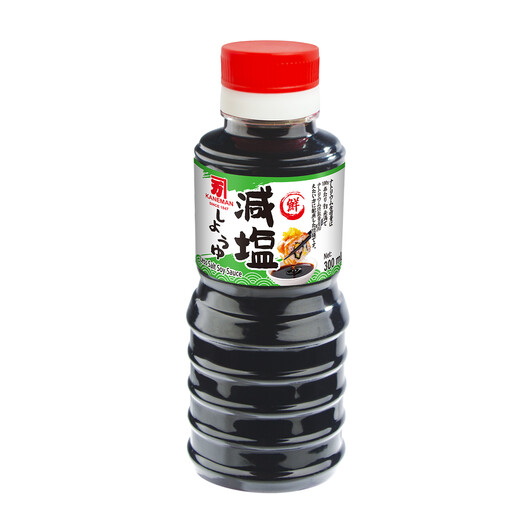
Why This Fits Their Persona: A moderate 300ml size suits first-time buyers who want to try a reduced-salt seasoning without committing to a large bottle.
Its listing provides a salt value of 8.56g per 100ml, making comparison easier than relying only on “less salt” wording.
Suitable for cold dishes, dipping sauces, stir-fries and braised dishes; ready to use.
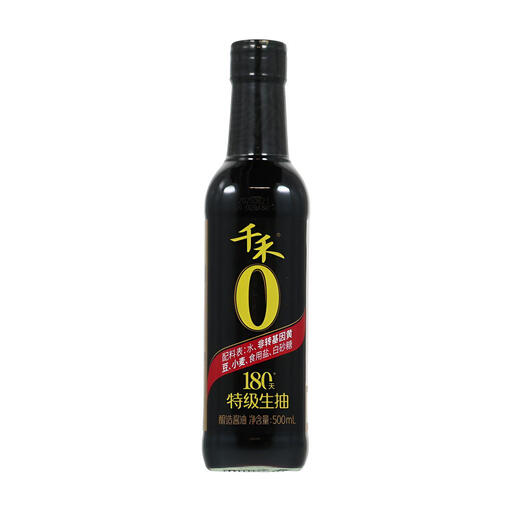
Why This Fits Their Persona: A 500ml Chinese soy sauce for shoppers prioritising a traditionally brewed profile for finishing and everyday cooking.
The listed recipe contains water, defatted soya beans, wheat, salt and white sugar, with no preservatives, colours or flavours stated.
Listed for stir-frying, cold dishes and dipping; salt content is 14.95g per 100ml.
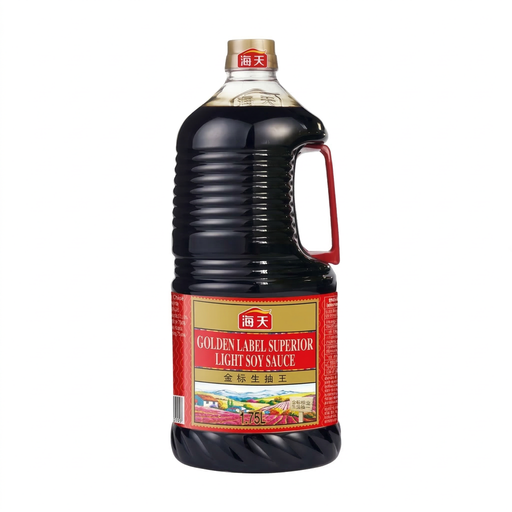
Why This Fits Their Persona: The large 1.75L format is suited to households that regularly prepare stir-fries, marinades, dipping sauces or meals for several people.
The 18g salt per 100ml listing makes clear that the large pack is not a reduced-salt product and should be portioned carefully.
Large capacity; contains 21.5% soya beans and wheat and provides 9.2g protein per 100ml.
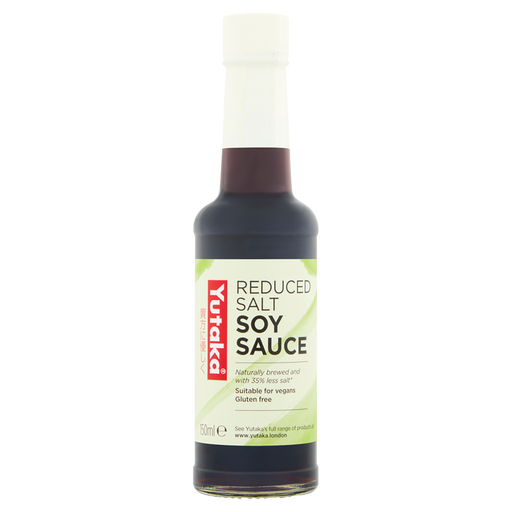
Why This Fits Their Persona: A compact Japanese-style option for shoppers who need a gluten-free sauce and prefer a smaller bottle for controlled use.
The product is described as gluten-free and uses rice rather than wheat; its listed salt value is 11.4g per 100ml.
Contains water, soya beans, salt, rice and alcohol; suitable for marinades, stir-fries, dipping and dressings.
We have compiled a complete, real-time list of products that fully satisfy these strict selection criteria and UK safety regulations.
No. Light soy sauce describes the style and culinary use, particularly in Chinese cooking. Reduced salt soy sauce refers to a lower-salt formulation compared with a standard version. Always check the nutrition panel and serving size.
Storage instructions vary. Many bottles recommend keeping the sauce tightly sealed in a cool, dry place and refrigerating after opening. For precise shelf-life guidance, follow the label and discard the product if its appearance or smell changes noticeably.
Not usually. Many Chinese soy sauces, Japanese soy sauces and Thai thin soy sauces contain wheat. Choose a product specifically labelled gluten-free, such as a suitable rice-based option, and check the packaging every time before purchase.