
24/7 Customer Support

Free returns

Same-day & Next-day Delivery

Quality Guaranteed

Unlock Your Welcome Offers: FREE Delivery | Up to 80% OFF | Free 30-day JoyPlus trial
Download the APP
Navigating the supermarket aisle for light soy sauce can feel overwhelming. With labels shouting "Premium," "Gold Label" and "First Press," it's easy to grab a bottle that looks the part, only to find it disappoints in your home-cooked stir-fry. Many UK home cooks end up with a sauce that's either excessively salty, lacks authentic flavour or is simply the wrong tool for the job.
As the Joybuy Product Recommendation Officer, my role is to help you see past the marketing clutter. Before you spend your money, let's look at the common pitfalls that lead to a poor purchase and what really matters when selecting a bottle of this essential kitchen staple.
The 3 Traps to Avoid When Buying Light Soy Sauce:
To ensure you're buying a quality product that will elevate your Asian cooking sauces collection, focus on these three key parameters.
The most significant factor in the flavour of a Chinese soy sauce is how it's made.
A high-quality light soy sauce doesn't need a long list of ingredients. The core components should be simple and recognisable:
Some may include a small amount of sugar to balance the flavour. Be cautious of sauces with a long list of E-numbers, preservatives or flavour enhancers, as they are often used to compensate for a lower-quality brewing process. This is also where you can spot a genuine low salt soy sauce, which will have a clean list but a lower declared salt content.
For those seeking a premium light soy sauce, two terms indicate a higher grade:
Based on these quality indicators, we've matched a few standout products to different needs, helping you find the right light soy sauce for your kitchen.
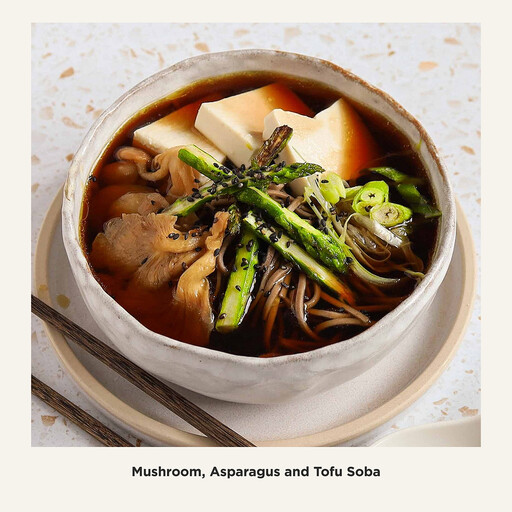
Why This Fits Their Persona: Perfect for students or anyone setting up a kitchen on a budget. This bundle provides the three core Asian cooking sauces—light soy, dark soy and oyster sauce—in one go, offering excellent value and versatility for countless recipes.
It solves the "which one to buy" dilemma by providing a curated set of essentials, preventing the mistake of buying only dark soy sauce when light soy is needed for flavour.
Incredible value for three full-sized bottles. The Amoy light soy sauce is naturally fermented from non-GMO soybeans, offering a solid, reliable flavour for everyday cooking.
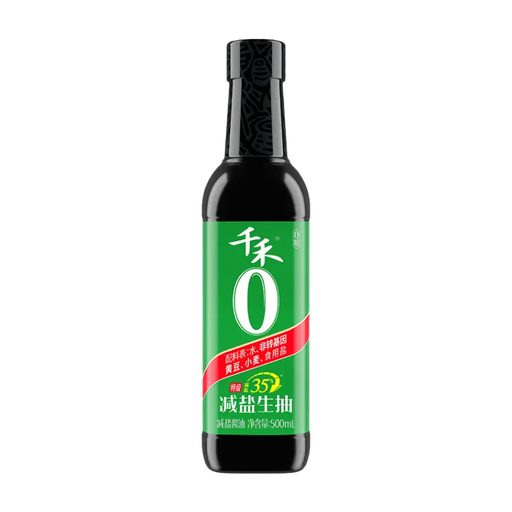
Why This Fits Their Persona: This is an excellent choice for anyone actively looking to reduce their sodium intake without compromising on the authentic umami flavour required for Asian dishes. It delivers a rich taste with a significantly lower salt content.
It cuts through vague health claims by offering a specific, verifiable benefit. The ingredient list is exceptionally clean and simple, avoiding the additives often found in lesser sauces.
Features a salt content of just 9.1g per 100ml, much lower than the typical 14-18g. It is naturally brewed with non-GMO soybeans, ensuring a quality flavour base.
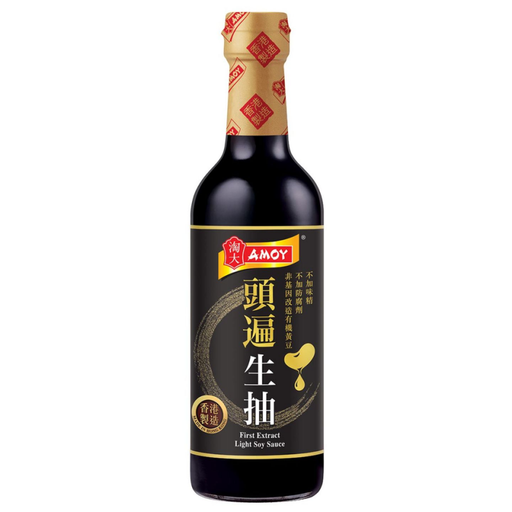
Why This Fits Their Persona: For the home cook who appreciates nuance and wants the most aromatic, flavourful result. This is the soy sauce you use for delicate steamed fish or a high-quality dipping sauce where its complex flavour can shine.
The "First Extract" label is a specific, meaningful indicator of quality, not a vague marketing term like "Premium." It denotes the highest grade of soy sauce from the brewing process.
Delivers a superior, rich umami flavour and deep soy aroma. It is traditionally brewed from non-GMO soybeans and has a clean, simple ingredient list with no added flavour enhancers.
We have compiled a complete, real-time list of products that fully satisfy these strict selection criteria and UK safety regulations.
The primary difference lies in their purpose, flavour and consistency. Light soy sauce (生抽, sheng chou) is thinner, lighter in colour and its main role is to add savoury, umami flavour and saltiness to a dish. It's the all-purpose choice for seasoning a soy sauce for stir fry, making dipping sauces or using in marinades. Dark soy sauce (老抽, lao chou) is aged longer with added caramel or molasses. This makes it thicker, much darker and less salty with a hint of sweetness. Its main function is to add a rich, appealing colour to dishes like red-braised pork or soy sauce chicken.
While its high salt content prevents it from spoiling in the traditional sense, the flavour and aroma of light soy sauce will degrade over time after being exposed to air. For the best quality, it is recommended to store the bottle in the refrigerator after opening and to use it within 3 to 6 months.
You can, but there is a noticeable difference. Chinese light soy sauce is generally saltier and has a more direct, savoury flavour. Japanese soy sauce (shoyu) is typically brewed with a higher proportion of wheat, which gives it a slightly sweeter, more rounded and more nuanced flavour profile. For the most authentic taste in Japanese cooking, using a Japanese shoyu is preferable, but a good quality, naturally brewed soy sauce from China will work as a substitute in many cases.