
24/7 Customer Support

Free returns

Same-day & Next-day Delivery

Quality Guaranteed

Unlock Your Welcome Offers: FREE Delivery | Up to 80% OFF | Free 30-day JoyPlus trial
Download the APP
A good bottle of light soy sauce is the cornerstone of countless East Asian dishes, providing that essential savoury, umami depth. Yet, when you try to buy soy sauce online UK, the sheer variety can be overwhelming. Labels proclaiming "premium," "superior" or "golden" often add to the confusion rather than clarifying the choice. Many home cooks find themselves with a sauce that's either too salty, lacks flavour or is simply the wrong type for their recipe.
As the Joybuy Product Recommendation Officer, my role is to help you navigate this landscape. We'll look past the marketing hype and focus on what truly matters, ensuring your next bottle of light soy sauce perfectly suits your cooking needs. Let's break down the common traps to avoid.
Chinese light soy sauce, "light" (生抽, shēng chōu) refers to its colour and thinner consistency, not its sodium content. It is primarily used for seasoning and imparting a salty, umami flavour. It is typically saltier than dark soy sauce, which is used for adding colour and a hint of sweetness. Accidentally using one for the other is a common mistake that can unbalance a dish.To make an informed choice, focus on these three key parameters. They provide a reliable measure of quality, far more than the claims on the front of the bottle.
The most significant factor in a soy sauce's flavour is how it's made.
Haday soy sauce and Lee Kum Kee soy sauce, specify the use of non-genetically modified soybeans, a marker often associated with higher-quality production standards.This is a technical but crucial indicator of quality, especially for premium soy sauce. It measures the concentration of amino acids, which are responsible for the savoury umami flavour.
The salt content in light soy sauce can vary significantly.
Low Sodium Soy Sauce: A typical light soy sauce contains around 16-20g of salt per 100ml. If you are monitoring your salt intake, look for products specifically labelled as "low sodium" or "reduced salt." These are formulated to provide flavour with a lower salt content, often around 14g/100ml or less.Gluten-Free Soy Sauce: Standard soy sauce contains wheat. If you have a gluten intolerance or coeliac disease, you must choose a product explicitly labelled "gluten-free." These are typically brewed using rice instead of wheat to achieve a similar flavour profile.To help you choose, we've matched a few standout products to different cooking styles and needs.
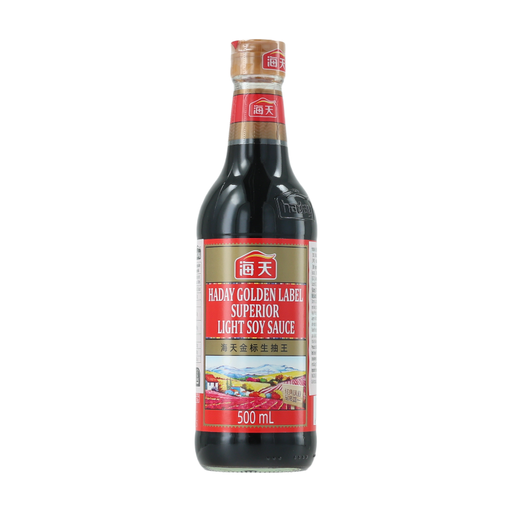
Why This Fits Their Persona: This is a fantastic all-rounder for the UK kitchen. It's a reliable choice from a major brand, perfect for daily use in everything from a quick `soy sauce for stir fry` to marinades and seasoning soups. It offers a consistent and balanced flavour that won't break the bank.
The "Superior" label is backed by its composition, using a high percentage of non-GMO soybeans (21.5%) and a traditional brewing process, delivering a genuine umami flavour beyond just saltiness.
Versatile Flavour Profile: Balanced saltiness and umami suitable for a wide range of dishes.
Trusted Brand: Haday is a household name, known for consistent quality.
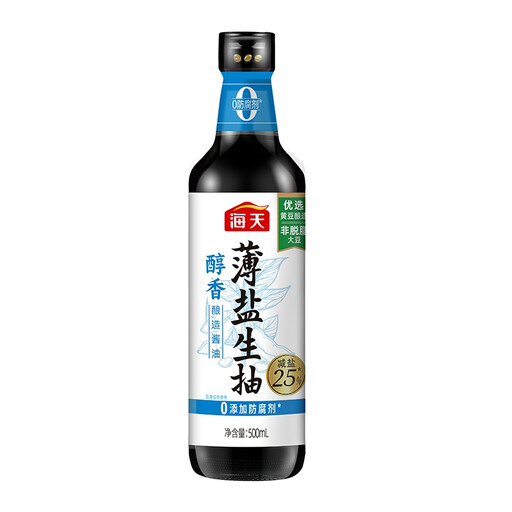
Why This Fits Their Persona: For those actively looking to reduce their sodium intake without sacrificing flavour, this is an excellent choice. It allows for seasoning dishes effectively while being mindful of health, making it a smart swap for everyday cooking.
This product directly addresses the pitfall of high, hidden sodium. It's clearly formulated as a `low sodium soy sauce` but maintains a high amino nitrogen content (≥0.80g/100mL) to ensure a rich, savoury taste.
Reduced Salt Formula: Noticeably lower in sodium than standard counterparts.
Rich Flavour: Achieves a mellow and pure umami taste, proving that lower salt doesn't have to mean less flavour.
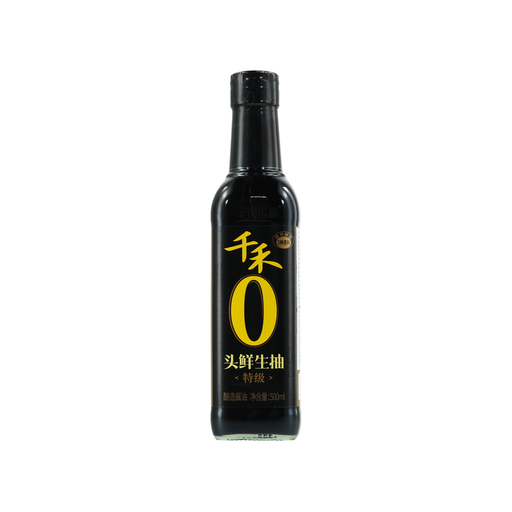
Why This Fits Their Persona: For the cook who appreciates nuance and quality, this "first press" soy sauce is ideal. It's perfect as a high-quality `dipping soy sauce` for dumplings or for finishing dishes where the pure, unadulterated flavour of the soy sauce can shine through.
This product avoids the additive trap with a clean, simple ingredient list: just water, non-GMO soybeans, wheat, salt and sugar. The "premium" quality is demonstrated by its traditional brewing process and lack of artificial additives.
Clean Ingredient Profile: No artificial additives, colours or preservatives.
Complex Flavour: The slow, traditional fermentation process develops a rich, aromatic depth that is hard to replicate.
We have compiled a complete, real-time list of products that fully satisfy these strict selection criteria and UK safety regulations.
Light soy sauce (生抽, shēng chōu) is thinner, lighter in colour and saltier. Its primary role is to add savoury umami flavour to dishes like stir-fries, marinades and soups. Dark soy sauce (老抽, lǎo chōu) is thicker, much darker, and less salty but has a slight sweetness from added molasses or caramel. It is used mainly to add a rich, caramel colour to dishes like braised pork and fried rice. You need both in your pantry as they serve different purposes.
Once opened, a bottle of light soy sauce should be stored in a cool, dark place. For best quality and flavour, it is recommended to store it in the refrigerator, where it can last for at least a year. While it won't spoil quickly at room temperature due to its high salt content, its flavour and aroma will degrade over time.
Absolutely. A high-quality light soy sauce makes an excellent base for a dipping soy sauce. You can use it on its own or mix it with other ingredients like chopped garlic, ginger, sesame oil or a dash of black vinegar to create a customised dip for dumplings, spring rolls or steamed vegetables.