
24/7 Customer Support

Free returns

Same-day & Next-day Delivery

Quality Guaranteed

Unlock Your Welcome Offers: FREE Delivery | Up to 80% OFF | Free 30-day JoyPlus trial
Download the APP
A good bottle of light soy sauce is the cornerstone of countless Asian dishes, from a simple stir-fry to a complex marinade. Yet, when you try to buy light soy sauce online or in-store, the sheer variety can be overwhelming. Labels boast "premium," "gold label" or "first extract," but what do these terms actually mean for your cooking? Many UK home cooks end up with a sauce that's too salty, the wrong colour or simply not right for their recipe.
As a Joybuy Product Recommendation Officer, my role is to help you navigate the options and find the right product without falling for common marketing ploys. Before you add a bottle to your basket, let's look at the most frequent pitfalls and how to avoid them.
To choose with confidence, you only need to check a few key details. Focusing on these will ensure you get a product that delivers authentic flavour and suits your cooking style.
The most significant factor in a soy sauce's flavour is how it's made. Look for sauces that are naturally brewed or traditionally fermented. This process involves fermenting soybeans (and usually wheat) for several months, which develops a deep, complex umami flavour. The alternative is chemical hydrolysis, a much faster process that often results in a harsher, less nuanced taste and typically requires more additives to compensate.
A high-quality ingredient list is usually short and simple: water, soybeans, wheat and salt. The use of non-GMO soybeans is also a good indicator of a producer's commitment to quality ingredients.
In the world of Chinese light soy sauce, one of the most reliable, objective measures of quality is the amino acid nitrogen content. This figure, sometimes printed on the label, indicates the concentration of amino acids, which are responsible for the sauce's savoury, umami flavour. A higher value generally means a richer taste. As a rough guide:
While not always displayed on UK packaging, brands that do mention it or have a high protein content per 100ml are often confident in their product's quality.
Standard light soy sauce is high in sodium and contains wheat. If you have specific dietary needs, it's crucial to check the nutritional information and ingredients.
Based on these practical criteria, here are a few recommendations tailored to different types of cooks in the UK.
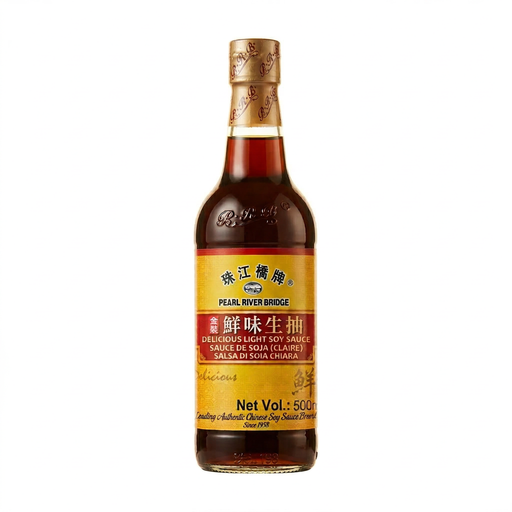
Why This Fits Their Persona: This is a quintessential Chinese light soy sauce, trusted by home cooks and restaurants alike. It's a reliable, versatile workhorse for daily cooking, perfect for a weeknight soy sauce for stir fry, marinades or seasoning soups.
It's a straightforward, traditionally brewed sauce that delivers consistent results without confusing "premium" marketing. It does exactly what a good light soy sauce should do: add savoury flavour.
Excellent balance of flavour, colour and value. Its classic taste is the benchmark for many traditional Chinese recipes.
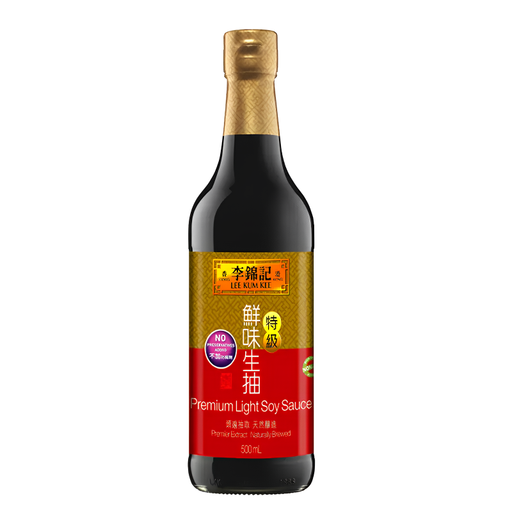
Why This Fits Their Persona: For those who want to elevate their cooking with a richer, more complex flavour. This Lee Kum Kee soy sauce is ideal for dishes where the sauce is a star player, such as dipping sauces or steamed fish.
The "Premium" label is backed by a clean ingredient list featuring non-GMO soybeans and a high protein content (8g per 100ml), which points to a high amino acid nitrogen level and rich flavour.
Delivers a pronounced umami flavour and rich soy aroma. The Lee Kum Kee brand has over a century of heritage, offering trusted quality.

Why This Fits Their Persona: This is the go-to choice for anyone in the UK needing a gluten-free diet. It allows you to cook authentic Asian dishes without worrying about wheat content, which is present in almost all standard soy sauces.
It directly addresses a specific dietary need with a clearly labelled, purpose-made product. This eliminates the risk of accidentally using a wheat-containing sauce.
A dedicated gluten free soy sauce from a major brand that doesn't sacrifice the essential umami taste. It has a high protein content (9.2g/100ml) for a rich flavour.
We have compiled a complete, real-time list of products that fully satisfy these strict selection criteria and UK safety regulations.
The primary difference is their purpose. Light soy sauce is thinner, lighter in colour, and saltier. Its main role is to add savoury flavour (umami) to dishes like stir-fries, soups and marinades without making them dark. Dark soy sauce is thicker, less salty, and has a slightly sweet taste. It is aged longer and often has caramel or molasses added, making it perfect for adding a rich, appetising dark colour to braised meats and noodle dishes. You generally need both in a well-stocked pantry.
Once opened, a bottle of light soy sauce should be sealed tightly and stored in a cool, dark place. For optimal flavour, it is recommended to store it in the refrigerator. While it won't spoil quickly at room temperature due to its high salt content, its flavour and aroma will degrade over time. Generally, it's best used within 3-6 months of opening.
Absolutely. Light soy sauce is an excellent base for a dipping sauce. You can use it on its own for dumplings or sushi, or mix it with other ingredients like chopped garlic, ginger, sesame oil, rice vinegar or chilli oil to create a more complex and personalised dipping sauce.