Who is this for?
The first distinction is whether dinner calls for no alcohol in the finished drink or simply a different mixer for a lower-alcohol base.
Couples planning a drink without alcohol
Check the ABV of the base and every other component, not just the mixer. Drinkaware notes that low-alcohol drinks still contain alcohol; its alcohol-free category can also include drinks of up to 0.5% ABV, so the label matters if you need to avoid alcohol completely.
Tonic drinkers comparing sugar and energy
Compare nutrition at the same volume before choosing a tonic. Tesco and Sainsbury’s list low-calorie tonic options with small amounts of sugar per 100 ml, while their ingredient lists and those of other slimline tonics may include different sweeteners.
Hosts choosing a botanical tonic
Fever-Tree describes its Refreshingly Light Indian Tonic in terms of quinine and bitter-orange flavour. Its light positioning is a comparison with the brand’s regular tonic, not a claim that a mixed drink contains less alcohol.
What should you check first?
Set the alcohol requirement for the whole serve, then choose the mixer’s flavour and compare nutrition using the volume you expect to pour.
| Priority |
What to check |
Your needs |
| Alcohol content |
Read the ABV on the base and any alcohol alternative. UK Department of Health and Social Care guidance describes low-alcohol drinks as 1.2% ABV or less; Drinkaware describes alcohol-free drinks as 0.5% ABV or less. Neither label tells you the ABV of a different ingredient. |
I need to know whether the complete drink meets my alcohol requirement, rather than judging it by a light tonic or a low-alcohol label alone. |
| Sugar and energy |
Compare kcal and sugars per 100 ml, then check the amount poured. Tesco lists 2 kcal and 0 g sugars per 100 ml for its Low Calorie Indian Tonic; Joybuy lists 15 kcal and 3.8 g sugars per 100 ml for Fever-Tree Refreshingly Light Indian Tonic. |
If I want to limit sugar from the mixer while keeping a tonic flavour, I’ll compare the exact variants and read their sweetener ingredients too. |
| Mixer flavour |
Choose between soda’s neutral carbonation and tonic’s quinine bitterness. Fever-Tree identifies bitter-orange oils in its Refreshingly Light Indian Tonic; Fentimans lists carbonated water, salt and sodium bicarbonate for its Soda Water. |
A neutral drink would leave the base’s flavour more prominent; for a tonic-led serve, I’d choose the bitterness and other ingredients deliberately. |
| Portions and substitution |
Check the pack size and how much you intend to use. If the aim is to reduce alcohol intake, replacing a usual-strength drink matters more than adding a lower-alcohol drink alongside it, as Drinkaware explains. |
For dinner for two, I’d choose portions I can use and decide what the drink replaces, rather than assuming the mixer changes my total alcohol intake. |
Brand and product-line references
These examples distinguish soda, diet tonic and light tonic; a brand name alone does not establish the nutrition or ingredients of every variant.
Fever-Tree
Its Refreshingly Light Indian Tonic is a botanical, quinine-led option for a tonic-forward serve.
- Fever-Tree says this variant has 50% fewer calories than its regular Indian Tonic.
- Joybuy lists 15 kcal and 3.8 g sugars per 100 ml for the Refreshingly Light Indian Tonic 15 x 150 ml pack; “light” does not mean sugar-free.
Schweppes
Slimline Tonic is a quinine-led alternative when the mixer’s sugar content matters.
- Sainsbury’s lists 5 kcal and 0 g sugars per 250 ml serving for its Schweppes Slimline Tonic Water 1L.
- That listing names aspartame and carries a phenylalanine statement; check the label if either matters to you.
Fentimans
Its Soda Water provides a neutral, carbonated route rather than a sweetened tonic flavour.
- Fentimans lists 0 kcal and 0 g sugars per 100 ml for Soda Water.
- Soda Water does not provide tonic’s quinine bitterness.
Britvic
Britvic announced classic and zero-sugar Indian Tonic variants in 330 ml cans for UK grocery retail in 2023.
- The announcement identifies separate classic and zero-sugar variants to distinguish when reading a pack.
- Check the current product label for ingredients and nutrition before comparing a specific can with other tonics.
Tesco
Its Low Calorie Indian Tonic Water offers a tonic option in a 6 x 250 ml pack.
- Tesco lists 2 kcal and 0 g sugars per 100 ml for this variant.
- The ingredient list includes sucralose and acesulfame K, which may matter when choosing between sweetener recipes.
Sainsbury’s
Its Diet Indian Tonic Water is a one-litre option for tonic-based serves.
- Sainsbury’s lists 2 kcal and less than 0.5 g sugars per 100 ml for this variant.
- It contains acesulfame K and sucralose; Sainsbury’s advises refrigeration after opening and use within three days.
Tonic options on Joybuy
These are portioned tonic-water options for dinner serves, spanning slimline and flavoured light-tonic choices. Choose the base separately if the finished drink’s alcohol content is your main concern.
 No image available
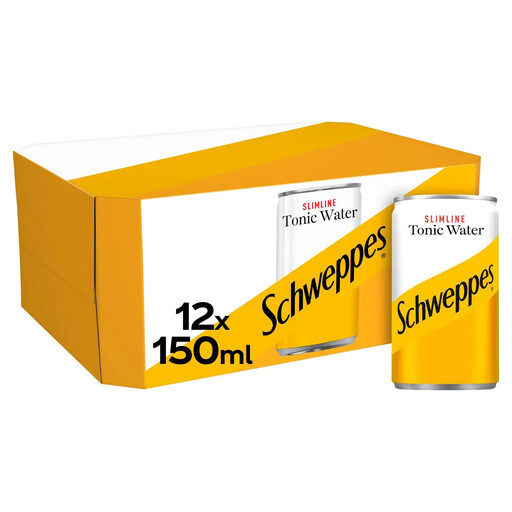
Schweppes Slimline Tonic Water 12 x 150 ml
For a tonic-led serve in individual 150 ml portions, this 12-pack contains quinine, which Joybuy describes as giving it a slightly bitter taste. Check the base drink’s ABV separately.
View on Joybuy
 No image available
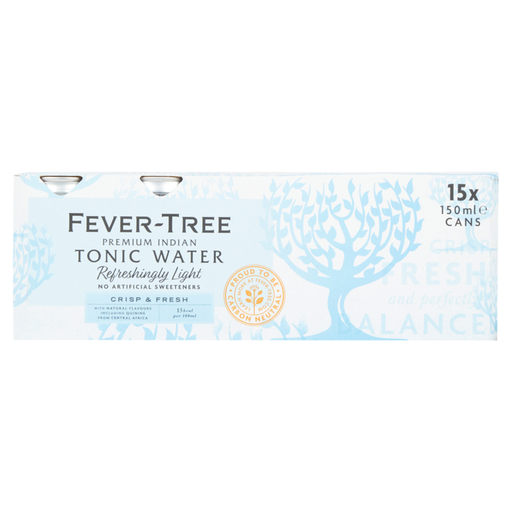
Fever-Tree Refreshingly Light Premium Indian Tonic Water 15 x 150 ml
Consider this 15-pack if you want the brand’s quinine-and-bitter-orange Indian tonic profile in 150 ml portions. Joybuy lists 15 kcal and 3.8 g sugars per 100 ml, so it is not a zero-sugar tonic; check the base drink’s ABV separately.
View on Joybuy
 No image available
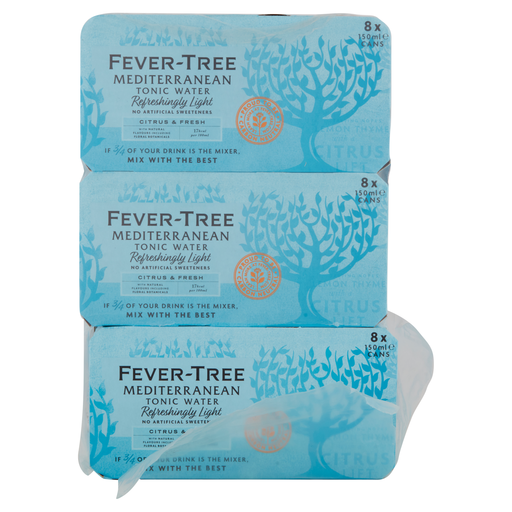
Fever-Tree Refreshingly Light Mediterranean Tonic Water 8 x 150 ml
This Mediterranean tonic comes as eight 150 ml portions for individual serves. If sugar or energy is a deciding factor, compare the exact variant’s nutrition panel before choosing it over a slimline tonic; check the base drink’s ABV separately.
View on Joybuy
 No image available
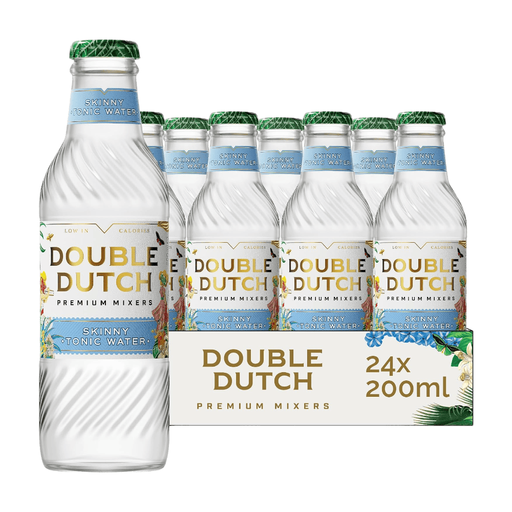
Double Dutch Skinny Tonic 24 x 200 ml
The 24 x 200 ml format provides separate portions for tonic-based serves. If you are comparing it with other tonics for sugar or energy, use the nutrition panel for this exact product rather than relying on “Skinny” in its name; check the base drink’s ABV separately.
View on Joybuy
Frequently asked questions
Does low-calorie tonic make a gin and tonic low alcohol?
No. Changing the tonic does not change the ABV of the gin you add. Check the ABV of the base and every other component if the finished drink needs to meet an alcohol limit.
What does “low alcohol” mean for a drink in the UK?
UK Department of Health and Social Care guidance describes low-alcohol drinks as those of 1.2% ABV or less. Drinkaware describes alcohol-free drinks as 0.5% ABV or less. Neither description means you should assume a particular drink contains no alcohol: read its stated ABV.
Can I use a low-alcohol base if I need to avoid alcohol completely?
Do not assume that you can. Drinkaware states that low-alcohol drinks still contain alcohol, while drinks described as alcohol-free may contain up to 0.5% ABV. Check the exact label and choose a serve that meets your requirement.
What can I choose if I do not want sweeteners in my mixer?
Fentimans lists carbonated water, salt and sodium bicarbonate as the ingredients of its Soda Water, making it a soda option rather than a sweetened tonic. It will not give you tonic’s quinine bitterness; check the ingredient panel of any alternative you consider.
How long can an opened bottle of diet tonic be kept?
Follow the instructions on the bottle you buy. Sainsbury’s advises refrigerating its Diet Indian Tonic Water after opening and using it within three days; that instruction should not be assumed to apply to other products.


