Hosts serving an alcohol-free option
Plan a separate serve rather than assuming a cocktail made with light tonic qualifies. Check each component’s description and ABV, or offer a suitable mixer as a soft drink.


Choose the whole drink before choosing its mixer: for an alcohol-free serve, check the labels and ABV of every component, or serve a suitable soft-drink mixer on its own. For a lower-unit alcoholic cocktail, measure the spirit and check its ABV; switching to a light or slimline tonic changes the mixer, not the units contributed by the spirit.
The useful distinction for a Halloween party is whether a guest wants no alcohol, a measured alcoholic serve, or a particular mixer profile.
Plan a separate serve rather than assuming a cocktail made with light tonic qualifies. Check each component’s description and ABV, or offer a suitable mixer as a soft drink.
For guests choosing alcohol, a stated recipe and measured spirit pour make the serving easier to describe consistently. The NHS calculates units from the alcoholic component’s ABV and volume.
Sugar, energy, sweeteners and flavour are separate choices from alcohol content. Compare the exact cans or bottles, especially when buying more than one tonic style for the party.
Settle whether each serve will contain alcohol, then compare mixers for ingredients, flavour and pack format.
Choose when: Guests want a drink without an alcoholic spirit pour; serve a suitable mixer alone or check the label of every component in a mixed drink.
Bear in mind: “Light” describes neither the ABV of an added base nor the alcohol content of the finished serve.
Choose when: Guests want an alcoholic cocktail and the host wants a consistent, stated pour.
Bear in mind: Slimline tonic does not lower the units in the spirit; the NHS calculates those units from ABV and volume.
| Priority | What to check | Your needs |
|---|---|---|
| Alcohol content | Check the ABV of each component. For a drink containing spirits, the NHS formula is ABV × volume in ml ÷ 1,000 = units; measure the pour rather than judging it by the mixer. | I want guests to know which serves contain alcohol and how much spirit goes into each alcoholic recipe. |
| Sugar and energy | Compare nutrition information on the same per 100 ml basis. Read “light” and “slimline” alongside the stated sugar and energy values, not as alcohol descriptions. | For some guests, the mixer’s sugar or energy information matters even when the drink contains no spirit. |
| Ingredients and flavour | Check sweeteners and other listed ingredients on the exact product. Consider whether a bitter, floral or citrus-led tonic suits the serve you are making. | I would like a choice of flavours without assuming every lower-calorie tonic uses the same ingredients. |
| Serving format | Check the number and size of cans against the recipes you plan to serve. A measured mixer portion does not replace measuring an alcoholic base. | Individual cans would make it simpler to set out mixer portions while keeping alcoholic and alcohol-free recipes distinct. |
A different tonic can change the mixer’s nutrition or ingredients without changing the alcohol contributed by a spirit.
Decide whether the recipe is alcohol-free or alcoholic before choosing tonic. For an alcoholic serve, use the spirit’s ABV and measured volume to calculate units using the NHS formula.
Without a consistent pour, identical-looking cocktails can contain different amounts of alcohol. Under the NHS formula, 25 ml of a 40% ABV spirit contributes 1 unit before any mixer is added.
Use a measure and write down the spirit and serving size for each batch. Keep alcohol-free and alcoholic versions clearly distinct.
Schweppes Slimline’s Tesco listing names aspartame, while Joybuy lists 4.2 g sugars per 100 ml for Fever-Tree Refreshingly Light Mediterranean. The products answer different ingredient preferences.
Compare the exact ingredient and nutrition panels before buying, and check the packaging again when serving guests with specific requirements.
Brand ranges can suggest a flavour direction, but the label of the particular tonic determines its ingredients and nutrition information.
Its Mediterranean tonic range includes a Refreshingly Light variant with a floral profile described by Fever-Tree.
Fentimans describes citrus and herbal ingredients in its Premium Indian Tonic range.
Slimline Tonic Water is an option to examine when sugar and sweetener ingredients matter.
Britvic’s soft-drink portfolio includes mixers.
These tonic-water packs cover the mixer choice for portioned Halloween-party serves. Choose and check any alcoholic or alcohol-free base separately: none of these tonics establishes the alcohol content of a completed cocktail.
 No image available
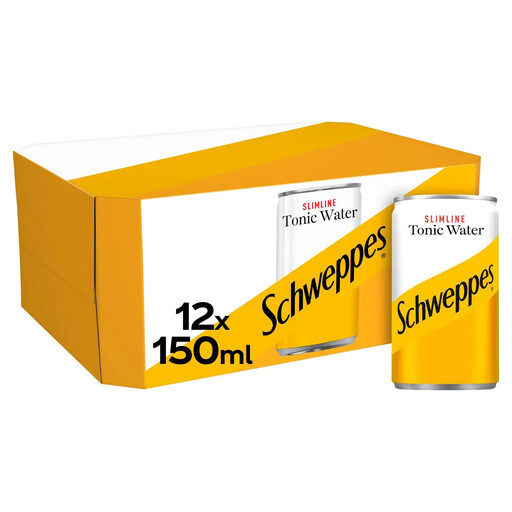
The individual cans provide defined mixer portions for a party. Joybuy lists 2 kcal per 100 ml; Tesco’s listing for this pack states 0 g sugars per 150 ml serving and names aspartame. Check the pack for ingredient requirements, and measure any spirit separately.
 No image available
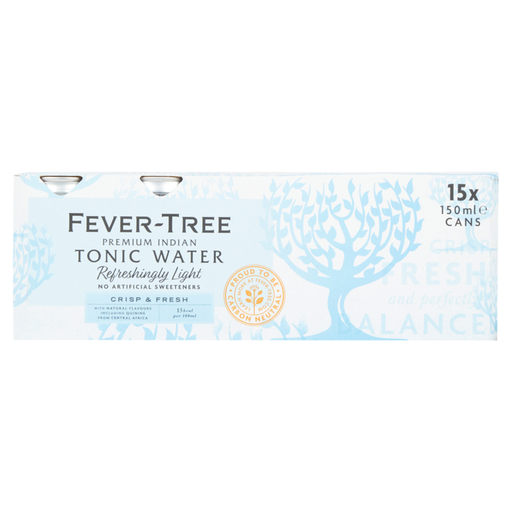
This 15-can pack offers individual 150 ml tonic portions for alcoholic or soft-drink recipes. Check its nutrition and ingredient panel against guest preferences; if adding a spirit, measure that separately.
 No image available
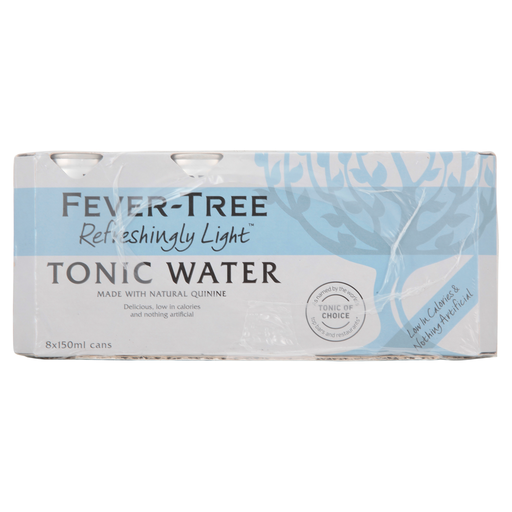
The 8 × 150 ml format provides individual tonic portions. Compare the exact pack’s sugar and ingredient information if those are deciding factors; its name alone does not tell you the ABV of a drink made with it.
 No image available
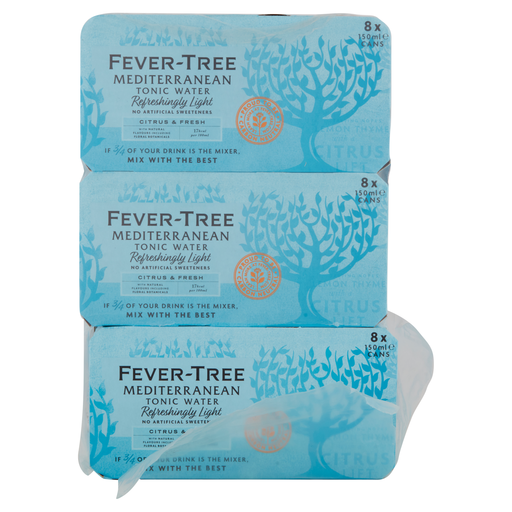
This 8 × 150 ml pack offers portioned Mediterranean tonic for party serves. Joybuy lists 17 kcal and 4.2 g sugars per 100 ml, so “light” does not mean sugar-free. Check the ABV of any base added to it.
No. Changing tonic does not change the units contributed by the alcoholic base. The NHS calculates units as ABV × volume in ml ÷ 1,000, so a 25 ml measure of 40% ABV spirit contributes 1 unit before mixer is added.
The Department of Health and Social Care’s 2018 low-alcohol descriptors guidance says a drink described as “low alcohol” must be 1.2% ABV or below and have its maximum ABV indicated on the label. “Light” or “slimline” on a tonic is not an ABV statement; check every component of a mixed drink.
Serve a suitable soft-drink mixer on its own, or pair it with a base whose alcohol description and ABV you have checked. Read every component’s label before describing the finished serve as alcohol-free, and keep it distinct from versions containing spirits.
Check the ingredient list on the exact can or bottle before serving it. Tesco’s listing for Schweppes Slimline Tonic Water names aspartame; a different tonic should be checked on its own label rather than assumed to have the same formulation.