Campers changing their usual mixed drink
If you want a familiar tonic serve with less alcohol or none, start with the base drink’s labelled ABV. The mixer’s calorie or sugar information cannot answer that question.


Choose the drink’s alcohol content before choosing its tonic: a light or slimline mixer does not make an alcoholic base low alcohol. For an alcohol-free serve, check the ABV on every component; for a lower-strength alcoholic serve, measure the base and use its ABV and volume to calculate units. At camp, compare mixer flavour and portion size while keeping the cooling needed for perishable food in mind.
If you want a familiar tonic serve with less alcohol or none, start with the base drink’s labelled ABV. The mixer’s calorie or sugar information cannot answer that question.
If calories, sugars or sweeteners matter to your choice, compare nutrition information on the same serving basis and read the ingredients. Smaller packs also give you individual mixer portions.
If cool-box space is limited, plan for food that needs chilling before allocating space to mixers. The Food Standards Agency advises storing food below 5°C; follow each drink’s own storage label.
Set your alcohol target first. Then choose the flavour, recipe and pack format that work for the serve you intend to make.
Choose when: You want to avoid alcohol rather than simply use a smaller spirit measure; select a clearly labelled alcohol-free base and check every component.
Bear in mind: A tonic labelled light or slimline tells you about its recipe, not the ABV of the finished drink.
Choose when: You intend to reduce, not eliminate, alcohol by measuring the alcoholic base before adding mixer.
Bear in mind: Changing to a lower-calorie tonic does not change the alcohol units in an unchanged measure of spirit.
| Priority | What to check | Your needs |
|---|---|---|
| Alcohol content | Read the ABV of the base and other components. UK Department of Health and Social Care guidance defines low-alcohol drinks as 1.2% ABV or less. For an alcoholic base, the NHS calculates units as ABV × volume in ml ÷ 1,000. | I want to know whether my mixed drink contains alcohol, rather than judging it by the tonic’s name. Drinkaware’s October 2025 report states that 44% of UK drinkers moderate their intake using alcohol-free or low-alcohol drinks; that figure does not describe festival campers specifically. |
| Flavour | Compare the listed tonic style and ingredients, such as quinine or botanicals. Consider how much base drink and mixer you plan to use. | The drink still needs a flavour I enjoy if I use an alcohol-free base or a smaller spirit measure. In Drinkaware-commissioned research among UK drinkers in late 2022, 37% said improved taste would encourage them to have low- or alcohol-free drinks alongside alcoholic drinks on the same occasion. |
| Recipe | Compare calories and sugars using the stated serving size or per 100ml figures. Check the ingredients and any sweetener warnings. | I may prefer a zero-sugar tonic, or I may want to avoid a particular sweetener. Neither choice establishes the drink’s alcohol content. |
| Packing and storage | Check portion size, whether the pack is a can or bottle, and the drink’s storage instructions. Plan chilled space around food that needs to stay below 5°C, as advised by the Food Standards Agency. | Individual portions could be easier for me to carry and serve, but I need to leave enough cooling capacity for perishable camping food. |
A light tonic can still be mixed with a standard-strength spirit. Its nutrition label does not establish the finished drink’s ABV.
Decide whether you want an alcohol-free drink or a measured alcoholic one, then check the components’ labels before choosing a tonic.
Zero-sugar tonic recipes differ. The Sainsbury’s listing for Schweppes Slimline includes aspartame and a phenylalanine warning.
Read the ingredients and warnings on the pack if a particular sweetener matters to you.
That can leave too little chilled space for perishable food. The Food Standards Agency advises storing food below 5°C when camping.
Plan food storage first, then follow the mixer’s own storage instructions and chill drinks where space permits.
These examples help distinguish tonic recipes and formats; a brand or retailer name alone does not establish a drink’s ABV.
Its Refreshingly Light tonic range offers an alternative to its regular Indian tonic.
Slimline Tonic Water is listed by Sainsbury’s in 150ml portions.
Fentimans describes Naturally Light Tonic Water as a botanical tonic.
Tesco lists its Low Calorie Indian Tonic Water as a 6 × 250ml pack.
Britvic announced classic and zero-sugar Indian Tonic Water can multipacks for grocery retail in 2023.
Its listings provide product-specific details for branded tonics, including Schweppes Slimline and Fever-Tree Light.
These are tonic mixers for individual festival-camping serves. Choose the alcoholic or alcohol-free base separately, and check every component’s label if the finished drink’s ABV is important to you.
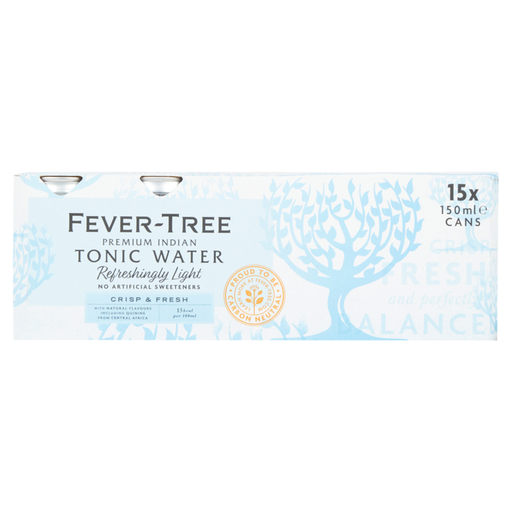 No image available
The 150ml portions suit separately prepared camp drinks. Check the pack’s ingredients and nutrition information if you are choosing a light tonic for its recipe; the base drink and its measure determine the alcohol you add.
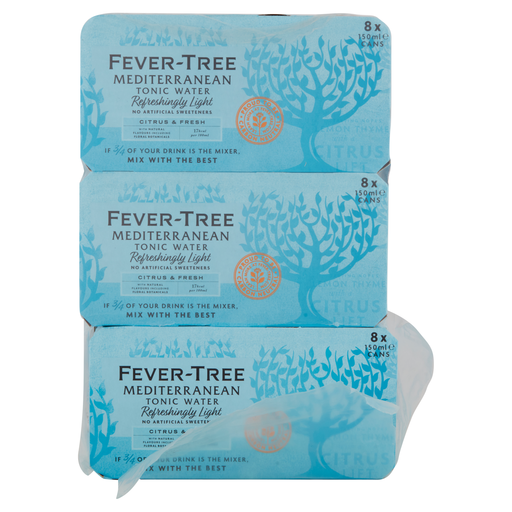 No image available
This Mediterranean tonic comes in 150ml portions for individual serves. Compare its listed recipe with other tonics if flavour or sweeteners matter to you, and check the base drink’s ABV separately.
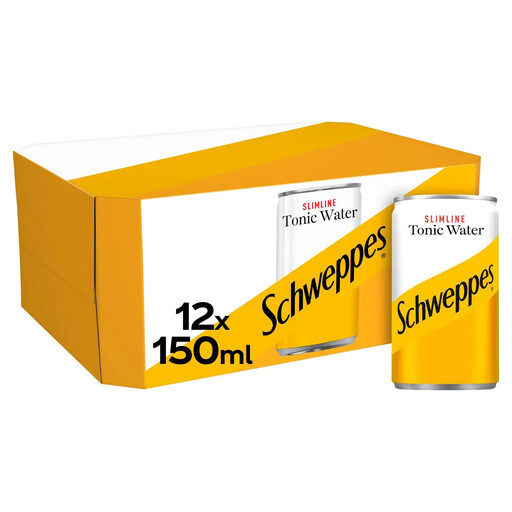 No image available
The 150ml portions suit a measured mixed drink. Sainsbury’s listing for this pack gives 3 kcal and 0g sugars per serving; check its aspartame and phenylalanine warning if relevant. Slimline tonic does not reduce the alcohol in an unchanged spirit measure.
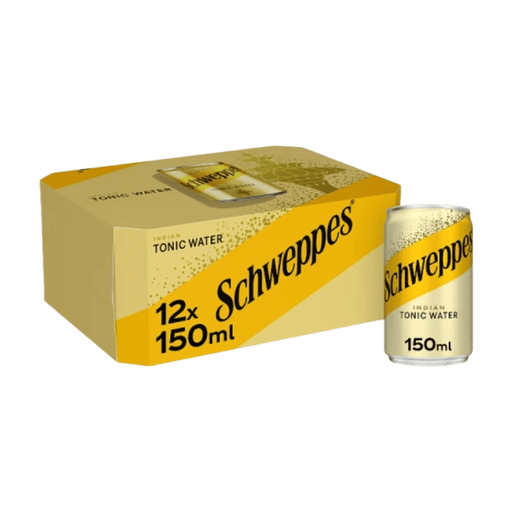
 No image available
This regular Indian tonic comes in 150ml portions. Choose it for a classic tonic recipe rather than assuming it has the same nutrition figures as a light variant; measure any alcoholic base separately.
 No image available
The 150ml portions allow you to prepare drinks individually. Check whether the pack contains cans or bottles before planning what to carry, and check the base drink’s ABV rather than treating tonic as an alcohol-control choice.
No. Calories and sugars do not establish a mixed drink’s ABV. Check the alcoholic base and its measure; the NHS calculates its alcohol units as ABV × volume in ml ÷ 1,000.
No. UK Department of Health and Social Care guidance defines low-alcohol drinks as 1.2% ABV or less, which is not the same as 0.0%. If you need to avoid alcohol, choose a clearly labelled alcohol-free base and check the ABV on every component rather than relying on “light” or “slimline” wording.
Follow the tonic’s storage label, but plan limited cooling space around perishable food first. The Food Standards Agency advises storing food below 5°C when camping.