Households with different drink preferences
If some adults want a spirit and tonic while others want no added spirit, keep a separate option for each serve. A lower-calorie tonic does not change the alcohol in a spirit-and-tonic drink.


For a household that wants a choice of serves, buy a separate no-spirit option alongside tonic for anyone making a mixed drink. Light tonic changes the mixer’s nutrition profile, not the alcohol supplied by an added spirit; if a precise alcohol limit matters, check the ABV on the finished drink’s label.
If some adults want a spirit and tonic while others want no added spirit, keep a separate option for each serve. A lower-calorie tonic does not change the alcohol in a spirit-and-tonic drink.
An alcohol-free alternative offers a way to make some occasions different from a regular spirit-and-mixer serve. Check the finished drink’s ABV when a particular limit matters.
Light and standard tonics can have different calorie and sugar declarations. Compare labels per 100ml and the amount you intend to serve, while treating alcohol content as a separate decision.
Decide which serves need no added spirit, then compare the labels and pack formats of the mixers the household will use.
Choose when: Someone wants a G&T-style drink without adding a spirit.
Keep in mind: Check the drink’s stated ABV if it must meet a precise threshold.
Choose when: You want to compare a lighter mixer while deciding separately whether to add a spirit.
Keep in mind: A light tonic does not reduce the alcohol supplied by an added spirit.
Choose when: You want tonic that can be served on its own or used in different mixed drinks.
Keep in mind: Check its nutrition panel rather than assuming every tonic has the same sugar content.
| Priority | What to check | Your needs |
|---|---|---|
| Alcohol in the serve | Decide whether a spirit will be added. If so, consider its measure separately from the mixer; for a no-spirit serve, choose a finished alternative or serve tonic without alcohol. | I want a distinct option for occasions without added spirits, while leaving others free to make a mixed drink. BMJ Public Health reported in 2025 that, in August 2024, 43.9% of surveyed adults in Great Britain with an AUDIT-C score of 5 or above who had attempted to cut down used alcohol-free or low-alcohol drinks in a serious attempt to do so. |
| ABV wording | Read the numerical alcohol by volume (ABV) on the finished drink when a precise limit matters. The UK Department of Health and Social Care’s 2018 descriptor guidance covers drinks labelled low alcohol at 1.2% ABV or less. | If I need a particular maximum, I want to check the drink itself rather than treat “low alcohol”, “non-alcoholic” and “light tonic” as interchangeable. |
| Mixer nutrition | Compare calories and sugars per 100ml on the specific tonic labels, then check serving size. Keep any comparison between a light tonic and its stated standard counterpart. | I may prefer a lighter tonic for some serves, but I need to make the alcohol decision separately. |
| Pack format | Compare the number of cans or bottles and the volume of each. Check current pack details and storage instructions before choosing a larger format. | Several people may want different serves, so I would rather match the pack to drinks we plan to make than assume everyone will use one mixer. |
Fever-Tree and Fentimans describe their light tonics through calorie comparisons with their own regular products. Those comparisons say nothing about the alcohol supplied by an added spirit.
Compare light tonic for its mixer nutrition. For a serve without added alcohol, leave out the spirit or choose a finished non-alcoholic alternative and check its label.
The UK Department of Health and Social Care’s low-alcohol descriptor guidance covers drinks of 1.2% ABV or less. That figure should not be assumed for every product described as non-alcoholic.
Read the specific drink’s ABV when someone in the household needs it to fall below a particular limit.
A household may want both tonic for mixed drinks and a separate drink that requires no spirit. One tonic pack does not, by itself, settle what each person will be served.
Plan the no-spirit option separately, then check the mixer’s current pack size and storage instructions against the serves you expect to make.
These brand examples help distinguish finished non-alcoholic drinks from standard and lighter tonics; they are not a list of products available in the Joybuy selection below.
Its range includes regular and Refreshingly Light Indian tonics and a Non-Alcoholic Mediterranean G&T-style drink.
Fentimans lists both Premium Indian Tonic and Naturally Light Tonic for shoppers comparing tonic variants.
Britvic has described both Indian Tonic and Low Calorie Indian Tonic in its mixer range.
These are light, slimline and standard tonics for households choosing mixers. Serve tonic without a spirit for a no-spirit option, or decide separately how much alcohol to add; these tonics are not ready-made G&T-style drinks.
 No image available
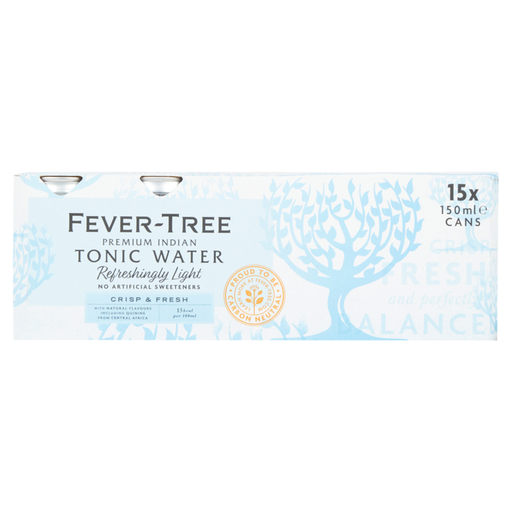
A light-tonic option for making individual serves across a larger shop. The pack contains 15 × 150ml; check the current nutrition label if a particular calorie comparison matters. Any added spirit supplies alcohol separately.
 No image available
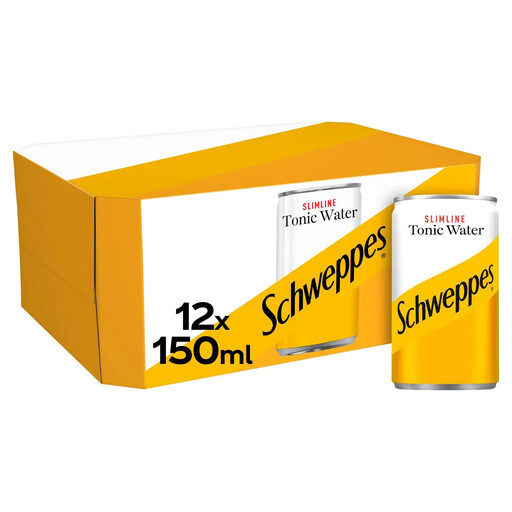
A slimline tonic in a 12 × 150ml pack for separate serves. Check the ingredient and nutrition labels against household requirements; serving it without a spirit and serving it with one are different alcohol choices.
 No image available
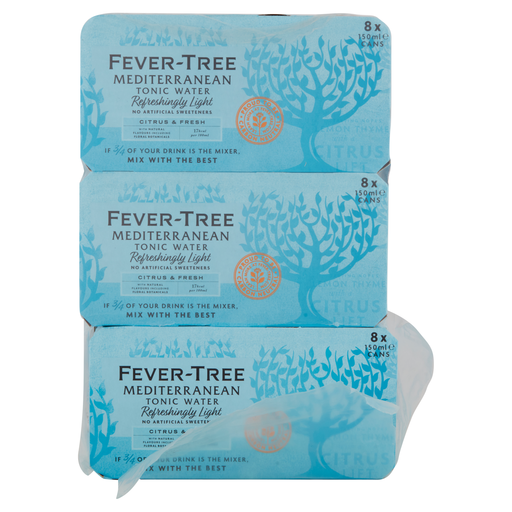
A Mediterranean tonic variant in an 8 × 150ml pack. It offers another mixer choice for individual serves, but its light designation does not change the alcohol supplied by any spirit added.
 No image available
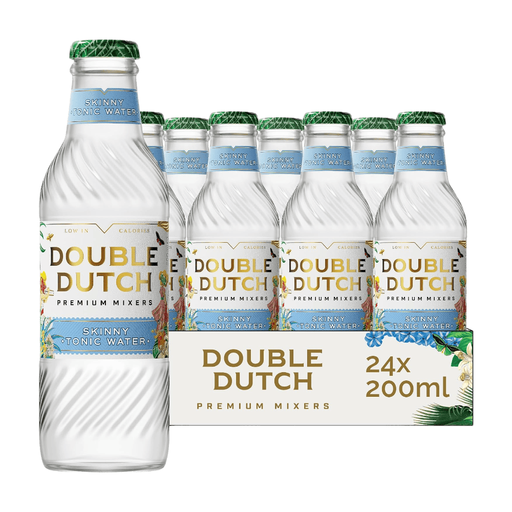
The 24 × 200ml pack provides individual tonic portions for multiple planned serves. Compare its current nutrition panel with other tonics before drawing a calorie conclusion; omit any alcoholic addition for a no-spirit serve.
 No image available
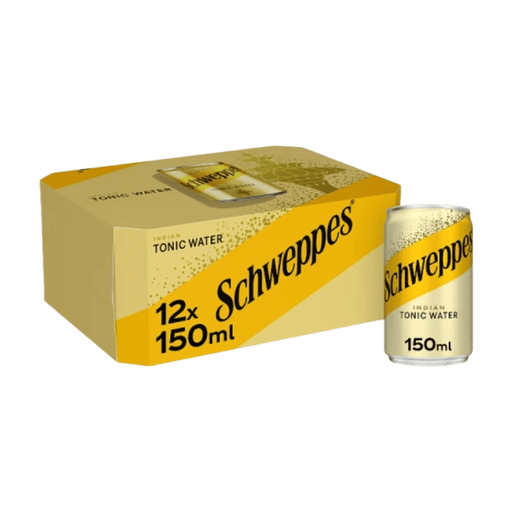
A standard Indian tonic in a 12 × 150ml pack, for serving on its own or using as a mixer. Check its nutrition label if comparing it with a slimline tonic; any spirit added determines the alcoholic part of the drink.
No. A light tonic concerns the mixer, while the gin supplies alcohol to the finished drink. Use less or no alcoholic spirit if changing the alcohol in that serve is the aim.
The UK Department of Health and Social Care’s 2018 descriptor guidance covers low-alcohol drinks of 1.2% ABV or less. Check the specific finished drink’s numerical ABV when a precise threshold matters; do not apply the descriptor to a mixed drink solely because it contains tonic.
A ready-made non-alcoholic G&T-style drink is presented as a finished serve without an added spirit. Tonic can be drunk on its own or mixed with a spirit, so what you add determines whether that tonic serve contains alcohol.
Check the current number and size of cans or bottles against the serves your household plans to make. Read the pack’s storage instructions too, and make a separate choice for anyone who wants a finished no-spirit drink rather than a mixer.