Shop sellers making repeatable product lessons
If you film the same miniature scale, materials and colours across several lessons, you need to be able to place and shape the light consistently, not just brighten the room.


For lessons filmed at a fixed table, start with a light you can position precisely and use with a suitable softening modifier: controlling direction matters as well as output. Bi-colour adjustment is useful when you need to match changing room light, while a battery-powered option makes more sense if you move the setup regularly. Check the mount, modifier, stand and power arrangement together before choosing a fixture.
If you film the same miniature scale, materials and colours across several lessons, you need to be able to place and shape the light consistently, not just brighten the room.
Continuous light has to work alongside your microphone and camera settings while you explain each assembly step. Plan a short recording test for fan noise and visible flicker.
If the lesson setup moves between a workbench and other locations, the light’s size and available power methods may matter more than they would in a permanent studio.
For miniature-building lessons, decide how you will shape the light across the work area before choosing a power setup and testing the result on camera.
| Concern | What to check | Who this matters to |
|---|---|---|
| Light direction and softness | Check the mount and compatible modifier, then allow room for a stand and for positioning the light beyond the camera frame. | If I film small, reflective parts, I want to control shadows and reflections without crowding the work area. Around 36% of consumers put light shaping first. |
| Consistent colour | Check the exact model’s colour-temperature range and published colour-rendering figures; set camera white balance for each lighting setup. | When paint and component colours need to look consistent between lessons, changing room light makes colour adjustment more important to me. Colour consistency comes first for around 29% of consumers. |
| Portable power | Check the supplied power method, battery compatibility and runtime at the output level you expect to use. | If I move my lesson setup between tables, I need a light and power arrangement I can carry and keep running for the recording. Around 21% of consumers prioritise portability and power. |
| Recording stability | Test footage at your frame rate, shutter and dimming setting; check fan sound at the planned microphone position. | For narrated close-ups, I do not want bands in the footage or fan sound competing with my explanation. Stable video and usable audio are the primary concern for around 14% of consumers. |
A light’s position and the way it is shaped affect shadows and reflections on miniature parts. A modifier mount gives you options, but it does not mean the modifier or stand comes with the fixture.
Plan where the light, compatible modifier, stand and camera will sit before selecting the kit.
A modifier and its mounting hardware also take up working space around the table.
Manufacturer output figures can refer to different distances or attached reflectors. For example, amaran states its COB 60x S figure at 1m with a Mini Hyper Reflector, so it is not a bare-light measurement.
Compare output figures only when the distance, colour temperature and attached reflector or modifier are equivalent.
Reita Light notes that visible results can depend on camera frame rate and shutter settings, the LED driver, dimming and operating conditions. An eye check cannot establish how your footage will look.
Record a clip at the brightness and camera settings you intend to use, particularly if the lesson includes slow-motion detail shots.
Bands or exposure changes discovered after filming can mean retakes and extra editing time.
SmallRig gives the RC 60B a maximum runtime of 45 minutes at full power or 75 minutes in ECO mode. Those are different operating conditions, not interchangeable promises for every lesson.
Match the stated mode to your expected recording length and brightness, and check the requirements of any USB-C PD supply you plan to use.
These model examples illustrate different ways to build a tabletop lighting setup; their mounts and power arrangements need checking against the accessories you intend to use.
The COB 60x S is a compact bi-colour COB light for a setup built around full-size Bowens modifiers.
The RC 60B is a compact bi-colour COB option with an integrated battery and USB-C PD power.
The ML60II Bi is a compact bi-colour COB light with mains and optional external-battery power routes.
These LED lights are choices to consider for a compact filming setup. Before relying on one as the sole light for a miniature-building lesson, check that it covers your work area, runs for the session and records cleanly at your camera settings.
 No image available
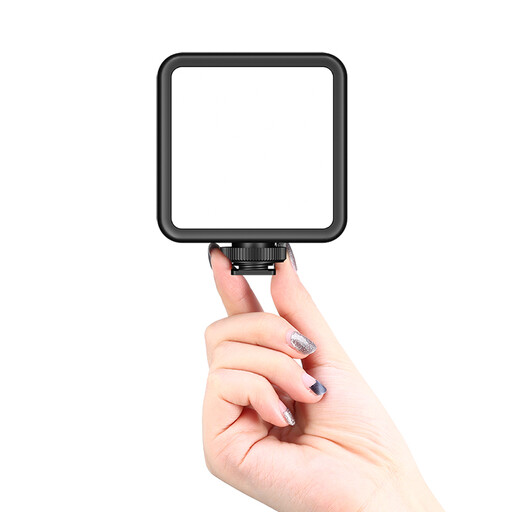
Consider this for a movable close-up setup if an adjustable, battery-powered light suits the area you film.
The title states dimming, a 2500K–9500K range and a magnetic back. Check tabletop coverage, how you will position or soften the light, and battery runtime before using it for a full lesson.
 No image available
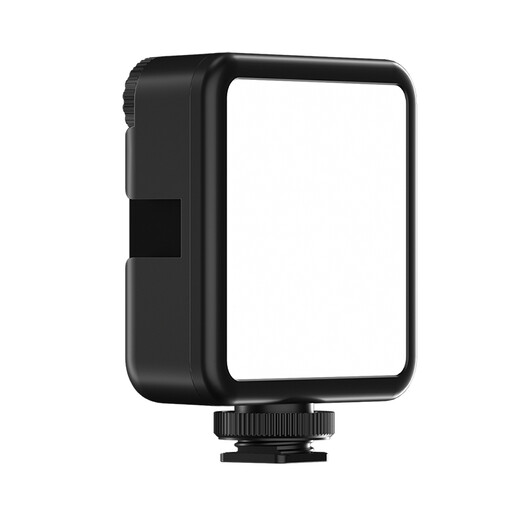
Consider this for a camera-mounted or portable setup if its light placement works for the miniature you are filming.
The title states a cold shoe mount, adjustable brightness and a rechargeable 3000mAh battery. Check its colour-temperature range, coverage and runtime for your intended lesson.
No image available
Consider this for video or product-shot lighting if its placement and illumination suit your lesson table.
Check the colour-temperature range, power arrangement and any included light-shaping accessories before choosing it as a main light. Record a test clip at your intended frame rate, shutter and brightness.
Not necessarily: start by positioning one controllable light to reveal the build area without unwanted reflections. Add a reflector or another light if the far side remains too dark or the background needs separate illumination; Digital Photography School emphasises the importance of light direction in tabletop photography.
Bi-colour is useful when you need to match changing daylight or warm room lights. A fixed daylight setup may be simpler if you control the ambient light and keep camera white balance consistent. Check the exact model’s colour-temperature specification rather than assuming every COB light is bi-colour.
Record a short clip with the camera, frame rate, shutter and dimming level you will use for the lesson. Reita Light notes that flicker and banding depend on the light-and-camera operating conditions, so a satisfactory result at one setting does not establish the result at every setting.
For use in England, Scotland or Wales, check the exact light and any supplied mains equipment for a suitable UK power arrangement and applicable product documentation. The Department for Business and Trade states that Great Britain recognises CE marking alongside UKCA within its covered framework; Northern Ireland has separate guidance, so do not apply that Great Britain marking conclusion there without checking the relevant requirements.