
24/7 Customer Support

Free returns

Same-day & Next-day Delivery

Quality Guaranteed

Unlock Your Welcome Offers: FREE Delivery | Up to 80% OFF | Free 30-day JoyPlus trial
Download the APP
Lightly salted snacks can offer a gentler savoury flavour without giving up crunch. However, front-of-pack wording can make comparison difficult. A “lightly salted” label does not automatically mean low salt, and a large sharing bag may provide very different value from individually portioned packs.
This guide explains what to check before buying, from salt content and serving sizes to allergens, dietary suitability and storage. It also highlights suitable options for different shopping needs, including lightly salted crisps, sea salted popcorn, salted rice cakes, plantain chips and lightly salted nuts.
“Lightly salted” usually describes taste or seasoning style, rather than confirming a regulated low-salt nutritional claim. Always check the salt per 100g and the serving size.
For context, the listed salt content varies considerably across the products provided:
A smaller serving can still be useful for portion control, but it does not change the product’s salt level per 100g.
Potato crisps, rice cakes, popcorn, plantain chips and cassava chips can have very different ingredient and allergen profiles. Some are suitable for vegan or gluten-free shoppers, while others may be made in facilities handling milk, wheat, soya or other cereals.
Read both the ingredients list and the allergen statement. “May contain” warnings are particularly important for customers with allergies. For families, also check age-related choking warnings on hard or irregularly shaped snacks.
A 450g sharing pack may appear economical, but opened snacks can lose their texture if not resealed properly. Conversely, multipacks such as 6 x 10g popcorn bags can be useful for lunchboxes, desk drawers or controlled portions, even if the price per 100g is higher.
Compare price per 100g, number of servings and storage requirements rather than relying only on the headline pack size.
Use the UK nutrition table as the main comparison point. Check:
For example, Propercorn Lightly Sea Salted Popcorn 6x10g lists 0.11g salt per 10g serving and 44 kcal per 10g. The individual bags make the serving size clear. By contrast, a 150g bag of crisps is more suitable for sharing and requires more attention to portioning.
Simple ingredients can make shopping easier, but do not assume every lightly seasoned snack is interchangeable. Propercorn’s 70g product lists wholegrain corn, rapeseed oil and sea salt, while Kallo rice cakes contain organic wholegrain rice and sea salt.
For vegan snacks or gluten-free snacks, confirm the wording on the current pack. Manufacturing statements still matter, even where the recipe itself contains no obvious allergen. Plantain chips and cassava chips may offer alternatives to potato-based crisps, but they can still be relatively high in energy and fat because they are fried.
Crisps and chips need protection from moisture. Resealable packaging or an airtight container helps preserve crunch after opening. This is particularly relevant for large bags of plantain chips, cassava chips and nuts.
Also consider how the snack will be used:
Reduced-salt soy sauce deserves particular care. A product can contain 30–35% less salt than a traditional version while still providing a substantial amount of salt per 100ml. Use it as a seasoning in measured quantities rather than treating it as a low-salt food.
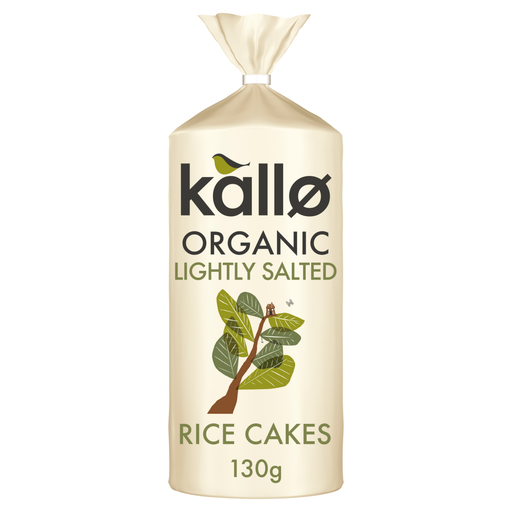
Why This Fits Their Persona: A practical pantry option for everyday snacking, lunchboxes and topping with hummus, vegetables or nut butter.
The pack states 0.3g salt per 100g, helping shoppers compare it directly rather than relying only on “lightly salted” wording.
Organic wholegrain rice; 27 kcal per rice cake; vegetarian and vegan-friendly according to the product information.
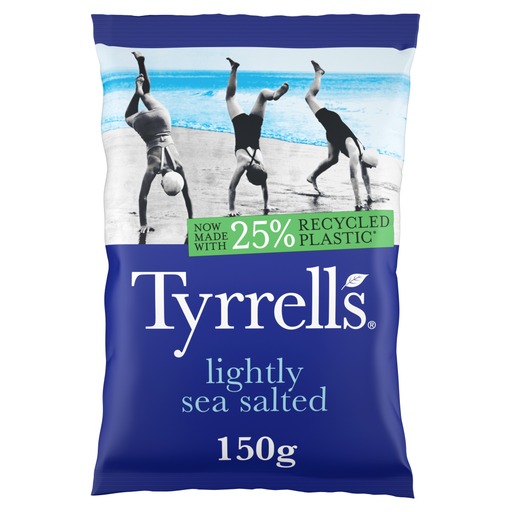
Why This Fits Their Persona: A substantial sharing pack for relaxed gatherings, picnics or pairing with sandwiches and dips.
The nutrition panel lists 0.65g salt per 100g and 0.20g per 30g serving, making the portion information clear.
Made in England; ingredients list potatoes, sunflower oil and sea salt.
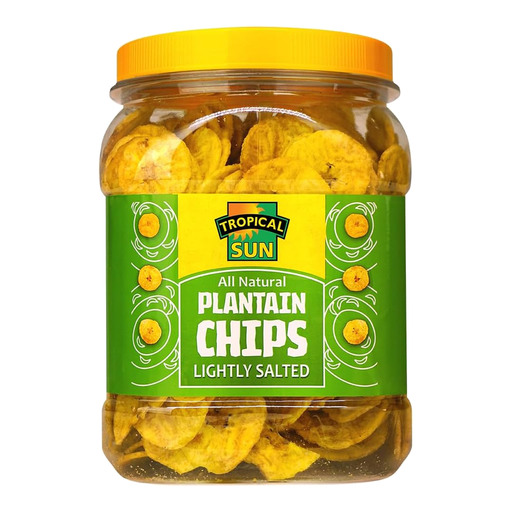
Why This Fits Their Persona: The large pack suits parties, family snack bowls and shoppers who want a plantain-based alternative to potato crisps.
Its 1.2g salt per 100g is visible in the product information, so the generous pack does not disguise the need for measured portions.
450g quantity; no known allergens listed; suitable for vegetarian, vegan and gluten-free diets according to the supplied product information.
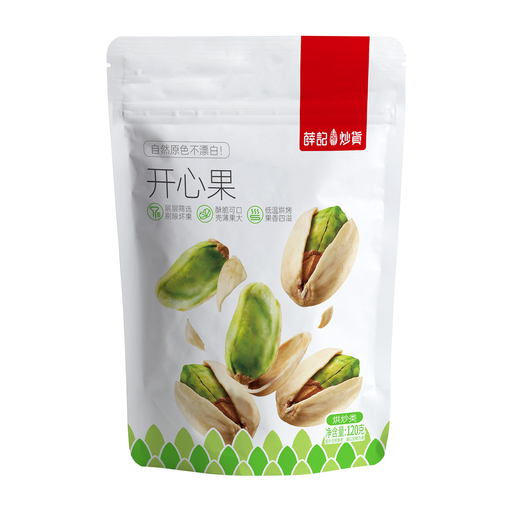
Why This Fits Their Persona: A ready-to-eat option for work breaks, travel and pairing with a drink, provided the nut allergen is suitable.
The ingredient list contains pistachios and salt, while the allergen declaration clearly identifies nuts.
21.8g protein per 100g; 120g pack; two listed ingredients.
We have compiled a complete, real-time list of products that fully satisfy these strict selection criteria and UK safety regulations.
Not automatically. “Lightly salted” mainly describes seasoning style. Compare salt, energy, fat and serving information on the nutrition panel. A lightly seasoned crisp can still be energy-dense, while rice cakes or popcorn may offer smaller stated servings.
Several supplied products are listed as vegan or gluten-free, including Propercorn popcorn, Kallo rice cakes, Tropical Sun plantain chips and Tropical Sun cassava chips. Always check the current packaging, especially “may contain” statements and manufacturing warnings.
Store snacks in a cool, dry place away from direct sunlight. Reseal crisp bags and plantain chips tightly, or transfer them to an airtight container. Nuts should also be protected from heat and moisture. Follow the product’s own storage instructions and use the best-before information on the packaging.