
24/7 Customer Support

Free returns

Same-day & Next-day Delivery

Quality Guaranteed

Unlock Your Welcome Offers: FREE Delivery | Up to 80% OFF | Free 30-day JoyPlus trial
Download the APP
A lightweight baby pushchair can make nursery runs, bus journeys and car-boot storage considerably easier. However, a low weight alone does not guarantee that a pushchair will suit your child, your routine or the realities of UK weather.
Marketing descriptions often highlight an attractive fold or large canopy while leaving out details such as folded dimensions, seat suitability from birth and basket limits. Before buying, focus on the features that affect everyday use rather than appearance alone.
A baby buggy from birth should provide an appropriate reclined position and a properly fitted harness. Some models state that they are suitable from birth because the seat reclines substantially, but parents should still follow the supplied instructions and age or weight guidance.
Check whether the seat reclines fully or near-flat, whether the leg support adjusts and whether the harness can be positioned securely for a smaller baby. Never add an unauthorised cushion or pushchair mattress to change the seating position, as this may affect fit and safety.
An umbrella-fold pushchair may fold into a narrow shape, but the folded height can still be inconvenient for a small cupboard or car boot. A one-hand fold can also vary in practicality depending on whether the canopy must be retracted first.
Compare the unfolded and folded dimensions, frame weight and whether the pushchair has a carry handle. If you regularly use public transport, measure your available storage space before ordering.
A pushchair with raincover is useful in the UK, but a raincover should fit correctly and must be used according to its instructions. Avoid covering a child for long periods without adequate ventilation. Similarly, a pushchair organiser or cup holder can be convenient, but overloading the handle may affect stability.
Before adding accessories, check their attachment method, weight limits and whether they obstruct the harness, brake, canopy or your view of the child.
For frequent lifting, a frame weighing around 6–8kg may be easier to carry than a heavier full-size pram. The AIYAPLAY foldable models listed below weigh 6.3kg, while the My Babiie MB02 Plus is listed at 8kg. Weight is only one part of portability: wheel size, carry handles and folded dimensions matter too.
For city pavements, front-wheel suspension and swivel wheels can help with steering around corners. Suspension does not turn a compact pushchair into an all-terrain model, so consider your usual routes, including kerbs, gravel and uneven park paths.
Look for a multi-position reclining baby pushchair with an adjustable leg rest. A full recline can be useful for a baby who needs to lie back, while older children may prefer a more upright position.
A 5-point harness pushchair should have adjustable straps that sit securely without being excessively tight. Engage the parking brake whenever the pushchair is stationary, particularly on sloped pavements or while reaching into the basket.
Always compare the stated maximum weight recommendation with your child’s current and expected use. A model limited to 15kg may be suitable for younger children, while one rated to 22kg can offer a longer period of use.
A pushchair with UPF 50+ canopy can provide shade, but it should not replace sensible sun protection or supervision. Check how far the canopy extends, whether it has multiple positions and whether a viewing window lets you check on your child.
A practical baby pushchair with storage basket should have enough room for nappies, wipes and a small shop without encouraging you to hang heavy bags from the handles. For wet conditions, check whether a raincover is included or available separately.
The following recommendations are organised by usage profile rather than by a universal ranking. Product specifications are based on the supplied listings; check the current product page for availability, included accessories and instructions before purchase.
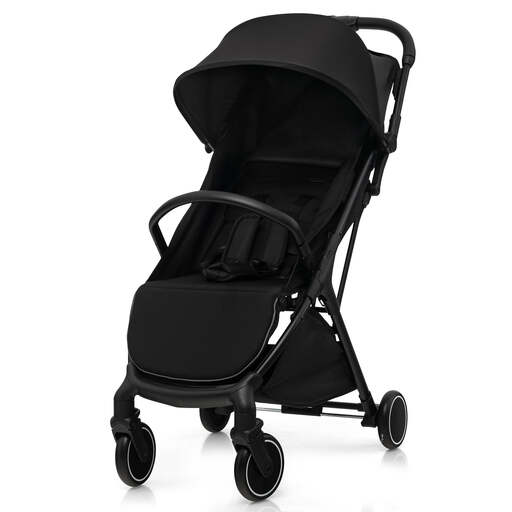
Why This Fits Their Persona: A practical option for parents wanting a lightweight pram for short trips, local errands and occasional car travel, with a listed 7kg frame.
The listed 115°–170° backrest range, 5-point harness and one-hand folding design address the need to check more than headline weight alone.
Adjustable canopy, footrest and backrest; detachable seat cover and a listed 2kg basket capacity.
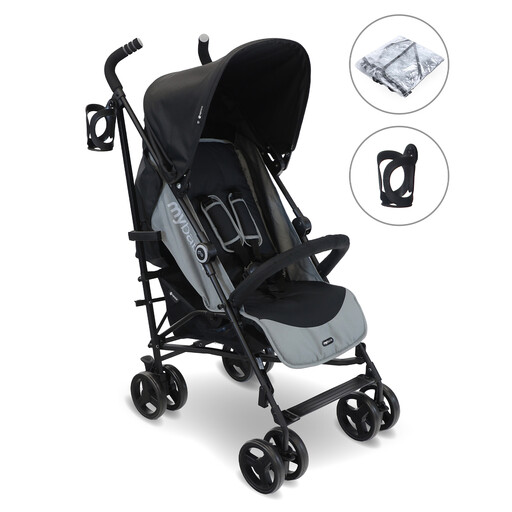
Why This Fits Their Persona: Suits parents seeking a more feature-rich compact travel pushchair for everyday streets, parks and car-boot storage.
Its stated 8kg weight is paired with a carry handle, fully reclining seat, suspension and a 5-point harness, rather than relying on a light frame alone.
Listed for birth to 22kg; XL 3-position UPF 50+ canopy, raincover, cup holder and large basket included.
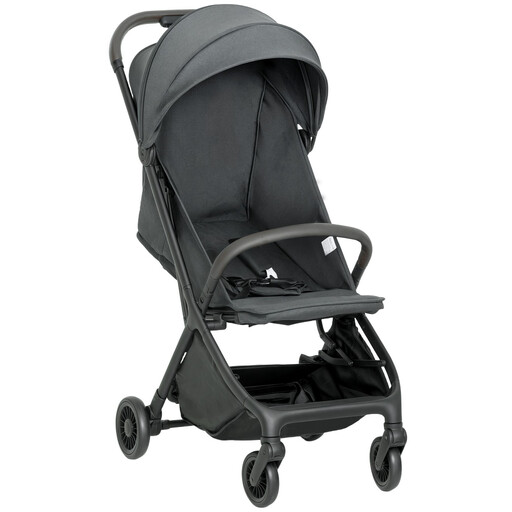
Why This Fits Their Persona: The 6.3kg frame and single-hand fold are suited to public transport, compact car boots and travel where lifting is frequent.
The specification includes folded dimensions, a 5-point harness, four-wheel suspension and a three-position canopy, making the travel features easier to assess.
Listed from birth to 3 years and 15kg; EVA foam tyres, storage basket and single-pedal rear brake.
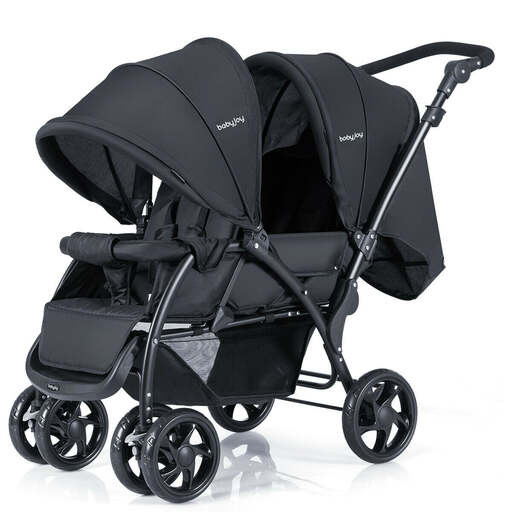
Why This Fits Their Persona: Designed for carers transporting two children, making it more relevant than a single lightweight buggy for growing families.
The listing states the rear seat is suitable from birth, while the front seat is for 6–36 months; checking this distinction helps avoid assuming both seats have identical use.
Two 5-point belts, adjustable canopies and a stated 15kg limit per seat, with a folding frame for transport.
We have compiled a complete, real-time list of products that fully satisfy these strict selection criteria and UK safety regulations.
A few carefully chosen accessories can improve convenience without turning a compact pushchair into an overloaded one.
It can be, provided the specific model is listed for newborn use and offers the required reclined position. Check the manufacturer’s age, weight and recline instructions. A pushchair designed only for sitting children should not be used with a newborn.
Lifespan depends on the frame, wheels, fabric care and maximum load. Some models in this guide are listed up to 15kg, while the My Babiie MB02 Plus and MB30 Plus are listed up to 22kg. Inspect brakes, harnesses, locks and wheels regularly, and stop using the pushchair if any safety-critical part is damaged.
There is no fixed running cost, but a lighter, foldable baby pushchair may reduce the need for taxis or additional travel equipment when it fits your existing car and routine. Replacement raincovers, wheels and accessories can add to ownership costs, so check availability and care instructions before buying.