
24/7 Customer Support

Free returns

Same-day & Next-day Delivery

Quality Guaranteed

Unlock Your Welcome Offers: FREE Delivery | Up to 80% OFF | Free 30-day JoyPlus trial
Download the APP
As a Joybuy Product Recommendation Officer, I see many people preparing for outdoor adventures, whether it's a multi-day hike through the Highlands or simply relaxing in their garden. When it comes to choosing lightweight camping gear, the market is filled with promises of "ultra-light" and "super-compact" designs. However, not all equipment lives up to the hype. Making the wrong choice can lead to frustration and wasted money.
This guide will help you navigate the common pitfalls and understand the key features that truly matter, ensuring you select gear that is both portable and dependable.
Before you add anything to your basket, be aware of these frequent issues that catch buyers out:
To make an informed decision, focus on these core parameters instead of marketing buzzwords.
The frame is the backbone of any portable camping chair or hammock with stand. The material dictates its weight, strength and resistance to the elements.
The seat fabric must be comfortable and resilient. Look for wear-resistant Oxford fabric, which is known for its durability and resistance to tearing. The static load capacity is another critical, non-negotiable figure. This tells you the maximum weight the item can safely support when stationary. Always check that this number comfortably exceeds the weight of the intended user.
True portability is a balance of three things: low weight, a compact packed size and a simple setup. For backpackers, every gram counts. A chair weighing under 1 kg with a packed length of under 40 cm is ideal. For casual use, a slightly heavier item that folds down quickly and intuitively might be more practical. This also applies to items like adjustable trekking poles, which should be lightweight but also collapse to a length that fits easily onto a pack.
To help you choose, we've matched some well-specified products to different user needs.
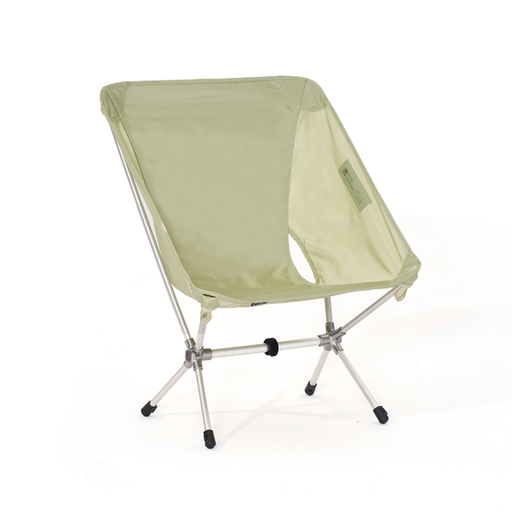
Why This Fits Their Persona: For the trekker counting every gram, this chair's minimal weight and tiny packed size are paramount. It provides a welcome off-ground seat without adding significant bulk to a backpack for a multi-day hike in the Peak District or Snowdonia. Also available in black.
It avoids the durability trap by clearly stating its frame is made from aviation-grade aluminium alloy and has a 140 kg static load capacity, providing verifiable strength despite its low weight.
The net weight of approximately 765 g and a packed size of just 11 × 11 × 36 cm make it exceptionally portable for serious hikers.
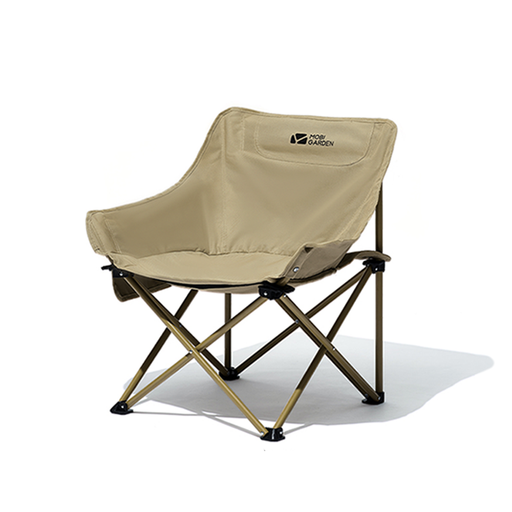
Why This Fits Their Persona: Ideal for those who drive to their campsite, go fishing or want a comfortable chair for a family picnic. The focus is on comfort and stability, with a wider seat and simple setup that prioritises relaxation over minimal weight.
It avoids material misinformation by specifying a thickened carbon steel frame with an anti-corrosion coating and padded Oxford fabric. It is honest about its weight (2.35 kg), positioning it for comfort, not ultralight trekking.
The simple X-shaped cross-folding structure allows for near-instant setup and pack-down. The wide 64.5 cm U-shaped seat offers superior comfort and support.
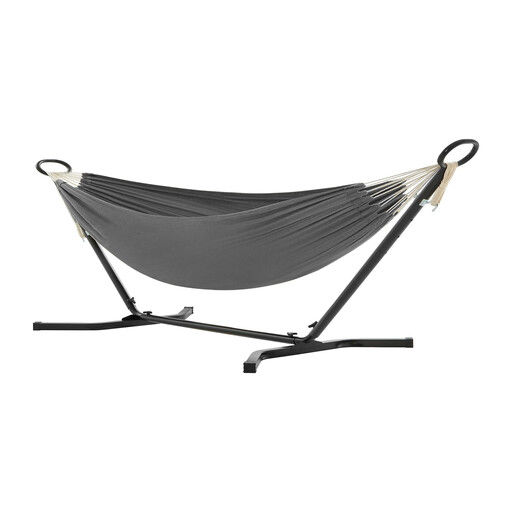
Why This Fits Their Persona: This is for someone who wants the ultimate relaxation tool for their patio or garden, but also wants the option to pack it in the car for a weekend camping trip. It's a complete, tree-free hammock solution.
It avoids the pack-size deception by being clear about its purpose. It is portable, not backpack-able. It provides a clear 240 kg load capacity and specifies its robust steel tube construction, ensuring stability for two people.
The tool-free assembly is a major benefit, allowing for quick setup and disassembly. The 5-level height adjustment offers great versatility for sitting or lying down.
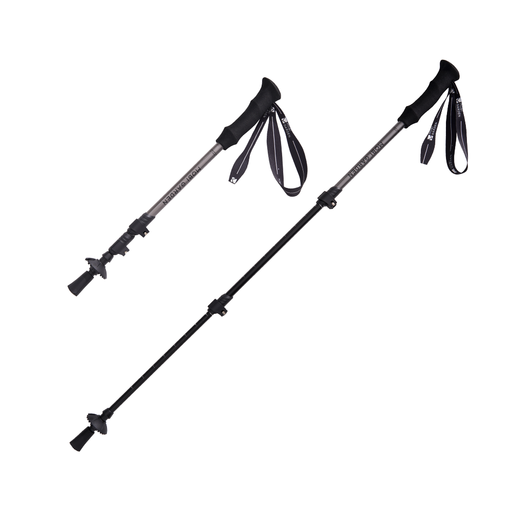
Why This Fits Their Persona: This is a crucial piece of ultralight hiking gear for anyone tackling varied or steep terrain. It reduces strain on the knees and improves stability, and its low weight means it won't cause arm fatigue on long journeys.
It counters material misinformation with highly specific details: a 7075 aluminium shaft, a non-slip EVA foam grip and a hardened tungsten-carbide tip. These are markers of quality, not vague marketing.
The external flip-lock system is fast, secure and less prone to jamming in cold or dirty conditions than internal twist-locks. The pole is also very light at approx. 210 g.
We have compiled a complete, real-time list of products that fully satisfy these strict selection criteria and UK safety regulations.
The lifespan of your gear depends heavily on the quality of the materials and how you care for it. A portable camping chair with a high-grade aluminium alloy frame, if cleaned and stored correctly, can last for many seasons of use. The fabric's longevity is influenced by factors like UV exposure and cleaning methods. Always follow the manufacturer's care instructions—avoiding harsh chemical detergents and ensuring items are completely dry before storage will prevent rust and fabric degradation.
There is often a trade-off between minimal weight and maximum comfort. The lightest backpacking equipment is designed to be carried easily, so it may lack the plush padding of heavier alternatives. However, modern ergonomic designs, like the 'moon' chair style, use fabric tension to create a surprisingly supportive and comfortable seat. For activities where weight is not a concern, such as car camping or garden use, a slightly heavier folding outdoor chair with more padding will generally offer more comfort.
While the terms are sometimes used interchangeably, there can be key differences. Chairs designed specifically for fishing may include features like built-in rod holders, individually adjustable legs to level the chair on an uneven riverbank and a more upright seating position. A general-purpose portable camping chair typically prioritises a low weight, a small packed size and a more relaxed, reclined posture for lounging at a campsite.