
24/7 Customer Support

Free returns

Same-day & Next-day Delivery

Quality Guaranteed

Unlock Your Welcome Offers: FREE Delivery | Up to 80% OFF | Free 30-day JoyPlus trial
Download the APP
Tossing and turning on a warm night, struggling with a duvet that feels too heavy or waking up due to allergies can disrupt a restful sleep. Choosing the right bedding is fundamental to comfort, especially for hot sleepers or those with sensitivities. A lightweight duvet is designed to provide a comfortable layer of warmth without causing overheating, making it an essential item for UK homes during milder seasons.
This guide is designed to help you navigate the options. We will explore key features to look for, such as tog ratings and materials and present a selection of duvets that cater to different needs, from a classic summer duvet to versatile options for spring and autumn.
Before looking at specific products, understanding a few key terms can help you make a more informed decision.
The 'tog' rating measures a duvet's thermal insulance, or how effectively it traps heat. In the UK, a lower tog rating indicates a cooler duvet.
The filling has a significant impact on a duvet's weight, breathability and suitability for allergy sufferers.
For many, convenience is key. A machine washable duvet makes it simple to maintain a fresh and hygienic sleeping environment. This is especially important for an anti-allergy duvet, as regular washing helps to remove dust mites and other potential irritants. Always check the care label for specific washing and drying instructions to ensure the duvet's longevity.
Here are our recommendations for lightweight duvets, selected to meet the needs of hot sleepers, allergy sufferers and anyone seeking a more comfortable night's sleep during warmer weather.
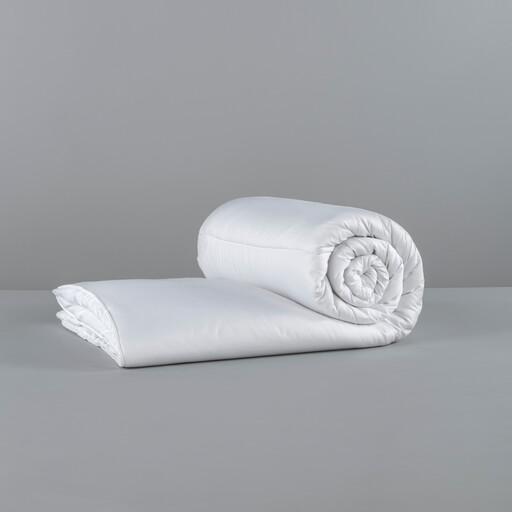
Why It Stands Out: This duvet is a classic summer staple, combining a low 4.5 tog rating with advanced synthetic materials. The "Soft Touch" microfibre cover feels smooth against the skin, while the hollowfibre filling provides a light, airy feel without the allergens associated with natural down.
Pros:
Who is it for? This is an excellent choice for anyone seeking a dedicated summer duvet or for those who need a reliable anti-allergy duvet for year-round use in a warm bedroom. It is also a practical option for guest rooms, available as a single duvet and in other standard UK sizes.
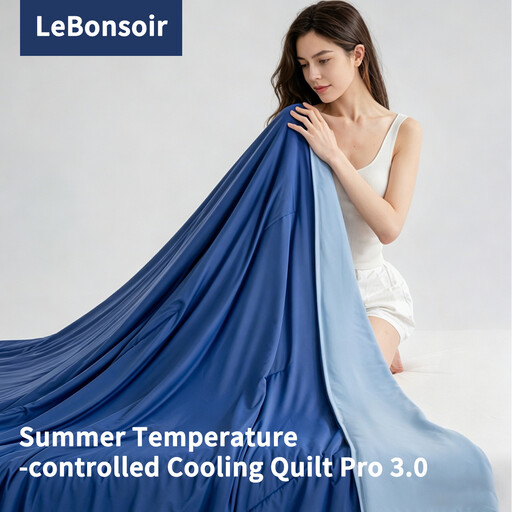
Why It Stands Out: This quilt offers an innovative solution for those who struggle with temperature regulation. Its dual-sided design features a specialised cooling duvet fabric on one side for hot nights and a soft, skin-friendly fabric on the other for when you just want a comforting layer.
Pros:
Who is it for? This is ideal for the ultimate hot sleeper who needs an active cooling solution. Its adaptability also makes it a thoughtful gift for anyone who finds traditional duvets too warm, even in summer.
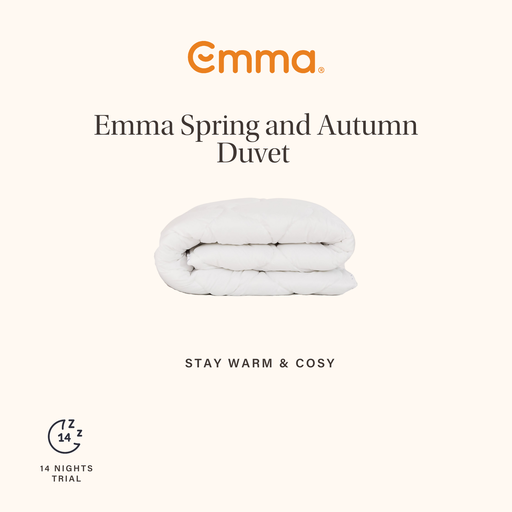
Why It Stands Out: Positioned as a transitional duvet, the Emma Spring & Autumn model bridges the gap between summer and winter bedding. Its 6.7 TOG rating provides slightly more warmth than a summer duvet, while its temperature-regulating microfibres ensure it remains breathable.
Pros:
Who is it for? This duvet is for those who find a 4.5 tog duvet too light but a winter duvet too heavy. It offers a balanced solution for the majority of the year in the UK and is a great all-rounder for sleepers who prefer a single duvet for all seasons except the coldest winter nights.
If these recommendations aren't quite what you're looking for, or if you'd like to browse a wider variety of materials and tog ratings, there are many other choices available.
? Explore our full collection of Summer Duvets to find the perfect fit for your bedroom.
For most people in the UK, a 4.5 tog duvet is ideal for summer. If you are a particularly cold sleeper or want a duvet for the transitional months, a rating between 6.0 and 7.5 TOG, like a spring autumn duvet, may be more suitable.
Yes, a well-designed microfibre duvet can be excellent for hot sleepers. Modern microfibre and hollowfibre fillings are engineered to be lightweight and breathable. They wick moisture away from the body more effectively than some natural fillings and, as a down alternative duvet, they are also a great hypoallergenic choice.
Most anti-allergy duvets are designed to be a machine washable duvet. It is generally recommended to wash them every few months at the temperature specified on the care label—often up to 60°C to effectively remove dust mites and allergens. Ensure the duvet is completely dry before use to prevent mildew and maintain its loft.