
24/7 全天候客户支持

免费退货

当日/次日达

品质保障

开启新人专享福利: 全场免邮 | 低至 2 折 | 免费试用 30 天 JoyPlus 会员
下载 Joybuy
Watching your child learn to ride a bike is a milestone. Yet, the journey can be frustrating if their bike is too heavy or cumbersome. Many standard kids' bikes are surprisingly weighty, making them difficult for small children to balance, pedal and manoeuvre. This can turn an exciting experience into a challenging one, often leaving parents to carry the bike home.
A lightweight kids bike can make all the difference. By choosing a bike that is easier for a child to handle, you give them the confidence to learn faster and the freedom to enjoy longer rides. This guide is designed to help you understand the key features to look for and to highlight some carefully selected options that prioritise a child-friendly design.
Navigating the options can be tricky. Here are a few practical points to consider to help you find a suitable bike for your child.
The single biggest factor in a bike's weight is its frame. While steel is strong, it is also heavy. An aluminium kids bike offers an excellent combination of durability and low weight. This makes it significantly easier for a child to get started, control their steering and pick the bike up themselves after a wobble. Lighter bikes are not just for learning; they make every ride more enjoyable and less tiring.
A bike that is too big or too small is both unsafe and difficult to ride. Pay close attention to the wheel size, which is typically measured in inches.
Always check the manufacturer's height recommendations, as a child's inseam measurement is a more accurate guide than age alone. An adjustable kids bike, with a seat and handlebars that can be raised, is a practical choice that can grow with your child, extending the bike's lifespan and value.
For a child's first pedal bike, look for features that ease the transition. A 2 in 1 balance and pedal bike is an innovative option. These models allow you to start in balance mode (without pedals) and then easily attach the pedal system once your child has mastered gliding and steering. This two-step approach can build confidence and make the learning process much smoother.
Here are our recommendations, selected for their lightweight construction, child-friendly features and thoughtful design.
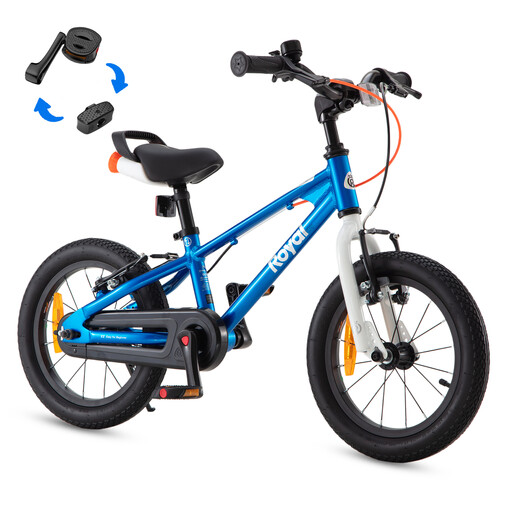
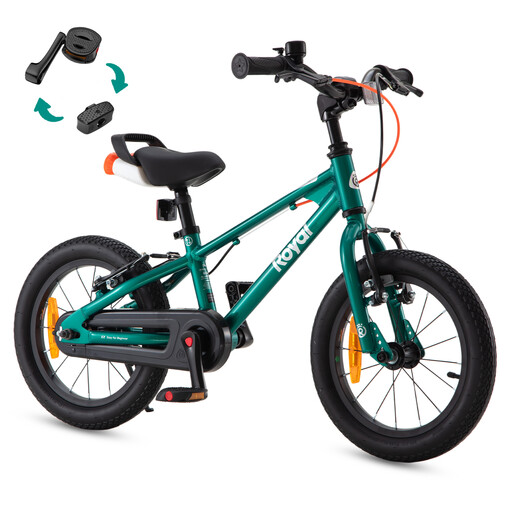
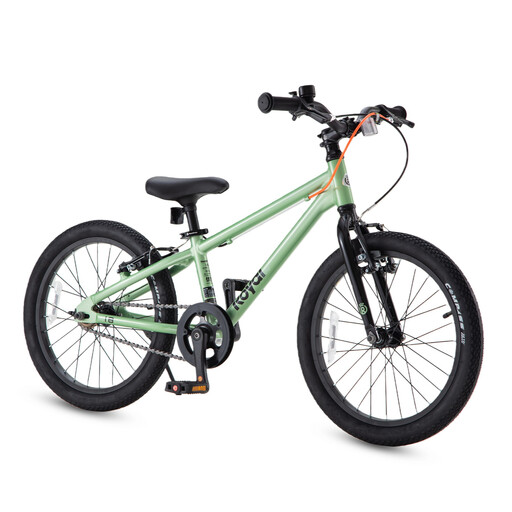
The bikes featured here are excellent starting points in the search for a lightweight model. If you are looking for different sizes, colours or styles, there is a wider selection available.
? Explore our full range of Kids Sports Equipment to find the perfect fit for your child.
A helpful rule of thumb is that a child's bike should weigh no more than 40% of their own body weight. The lighter, the better. A lightweight kids bike, particularly one under 10 kg, is significantly easier for a child to balance, pedal and control, which builds confidence and makes riding more fun.
For most children, yes. An aluminium kids bike is noticeably lighter than a steel one, which is a major advantage for small riders. Aluminium is also rust-resistant, making it a durable choice that can withstand being left out in the occasional British drizzle.
This depends more on the child's height and inseam than their age. A 14 inch kids bike is often suitable for younger or shorter 4-year-olds, while a taller 4-year-old might be ready for a 16 inch kids bike. The best way to check is to measure your child's inseam (from the floor to the crotch) and compare it to the bike's minimum seat height. They should be able to sit on the saddle with the balls of their feet touching the ground.