
24/7 Customer Support

Free returns

Same-day & Next-day Delivery

Quality Guaranteed

Unlock Your Welcome Offers: FREE Delivery | Up to 80% OFF | Free 30-day JoyPlus trial
Download the APP
As a Joybuy Product Recommendation Officer, my role is to help you navigate the crowded skincare market. When it comes to daily sun protection, the search for the perfect lightweight sunscreen can feel endless. You want effective protection without the downsides: the greasy feel, the ghostly white cast or the frustrating pilling under makeup.
Many of us have been let down by products that promise the world. Before you spend another pound on a sunscreen that ends up at the back of your cabinet, let's look at the common purchasing pitfalls and how to sidestep them.
To find a daily face sunscreen you’ll genuinely enjoy wearing, focus on these key parameters instead of marketing buzzwords.
Understanding the engine behind your SPF is the first step. Sunscreens use two types of filters to protect your skin.
The way a sunscreen feels and looks on your skin is crucial for consistent use.
The lines between skincare and sun protection are blurring. Many contemporary sunscreens, particularly from innovative brands like Beauty of Joseon sunscreen, are packed with beneficial ingredients. Look for additions like rice extract for hydration, probiotics to support the skin barrier, niacinamide to help with oil control and tone or mugwort to calm redness. This can help you streamline your morning routine.
Instead of a one-size-fits-all approach, we've matched some standout options to specific user needs, helping you find a formula that solves your unique challenges.
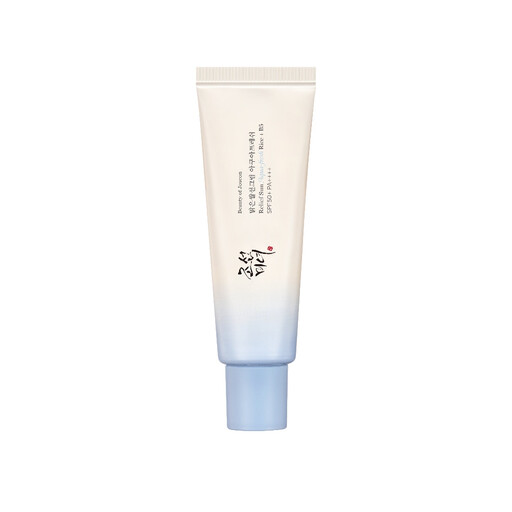
Why This Fits Their Persona: This user needs high SPF protection that won't contribute to midday shine or feel like an extra layer. They want a fresh, barely-there feel that keeps their skin balanced, not stripped.
It sidesteps the "overly drying" trap by using rice seed water and pro-vitamin B5 to provide hydration and calm the skin, all within a refreshing water-gel texture that controls shine without causing tightness.
Its primary advantage is the watery, lotion-like consistency that absorbs instantly, leaving a light, dewy finish that feels comfortable and fresh all day. It's an ideal base for makeup or for wearing alone.
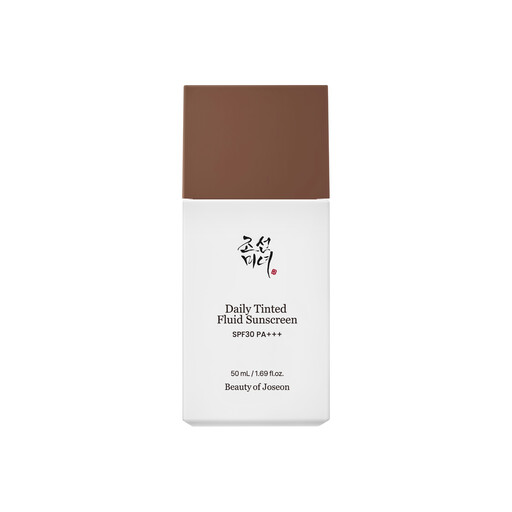
Why This Fits Their Persona: This user is looking for a tinted sunscreen for dark skin that offers mineral protection without the dreaded white cast. They want a sheer, natural finish that evens out their complexion for a "no-makeup" look.
It directly confronts the "invisible finish" myth by using sheer iron oxide pigments in a warm yellow tone (DY330) specifically to harmonise with deep skin tones, neutralising the chalkiness of its 20.9% Zinc Oxide base.
The serum-like fluid texture melts into the skin, providing a breathable, second-skin feel. It also contains Artemisia Capillaris (Mugwort) to soothe and calm the skin, adding a valuable skincare benefit.
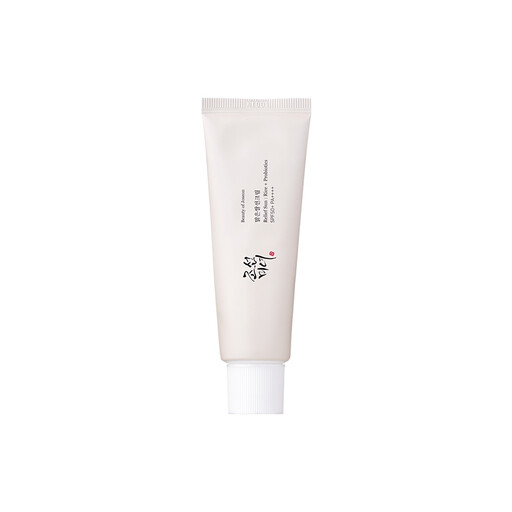
Why This Fits Their Persona: This person needs a reliable, high-SPF sunscreen that layers seamlessly under foundation without pilling. It must be hydrating but not greasy, creating a smooth canvas for makeup application.
It solves the pilling problem with its lightweight cream texture that absorbs quickly and fully, leaving a smooth, non-sticky finish. This creates a stable base that won't conflict with subsequent makeup layers.
This is a chemical sunscreen that leaves absolutely no white cast on any skin tone. The inclusion of 30% rice extract and grain-fermented extracts provides deep hydration and nourishment, acting as a moisturiser and primer in one.
We have compiled a complete, real-time list of products that fully satisfy these strict selection criteria and UK safety regulations.
A common and effective guideline is the "two-finger rule." Squeeze a line of sunscreen onto your index and middle fingers, from the base to the tip. This amount is generally sufficient to cover your face and neck to achieve the stated SPF on the bottle. Applying too little will significantly reduce your level of protection.
This depends on your skin type. If you have oily or combination skin, a well-formulated hydrating sunscreen might provide enough moisture for your morning routine, especially in the summer. However, if you have dry or dehydrated skin, you will likely still benefit from applying a dedicated moisturiser first and letting it absorb before applying your sunscreen.
Pilling is often caused by applying too many layers too quickly or by product incompatibility (e.g., a silicone-heavy primer over a water-based sunscreen). To prevent it, allow each skincare layer to fully absorb before applying the next. When applying your sunscreen and makeup, try a gentle patting or pressing motion instead of rubbing, which can disturb the layers underneath.