
24/7 全天候客户支持

免费退货

当日/次日达

品质保障

开启新人专享福利: 全场免邮 | 低至 2 折 | 免费试用 30 天 JoyPlus 会员
下载 Joybuy
Limescale is a familiar problem in many UK households, particularly in hard-water areas. White deposits can build up around taps, shower screens, tiles, toilets and kitchen appliances, while soap scum and water marks make surfaces look dull even after cleaning.
Choosing the right limescale remover is not simply a matter of selecting the strongest-looking bottle. The wrong formula can damage sensitive materials, create unnecessary waste or be unsuitable for appliances. This guide explains the key differences between sprays, gels, concentrates and appliance descalers, followed by practical recommendations for different cleaning needs.
Acidic descaling ingredients can work effectively on mineral deposits, but some products are unsuitable for natural stone, brass, copper, aluminium, sensitive metals, old enamel or electrical appliances. A formula designed for a shower screen should not automatically be used inside a kettle or coffee machine.
Always check the surface list and test the product on an inconspicuous area first. If the label advises against use on a particular material, do not rely on dilution or a shorter contact time to make it safe.
A bathroom limescale remover is intended for external surfaces such as ceramic, glass, chrome and tiles. A descaler for kettles, coffee machines or steam irons must be suitable for internal components and safe to rinse thoroughly.
Using a bathroom limescale remover inside an appliance may leave unsuitable residues or damage parts. Select a product specifically labelled for the appliance and follow its instructions.
A large bottle is not always the most economical option. A ready-to-use limescale remover spray is convenient for occasional bathroom cleaning, while a limescale remover concentrate may be more practical for repeated or larger-scale work. Sachets can also reduce guesswork by supplying a measured quantity for each treatment.
Consider the area being cleaned, the frequency of use and the amount needed per application rather than comparing bottle size alone.
Different formats suit different deposits and surfaces:
A product that acts within one to two minutes may be convenient for routine water marks, while tougher deposits may need up to five or ten minutes. Longer contact is not automatically better. Leaving a product on beyond the label’s maximum time can increase the risk of surface damage.
Rinse thoroughly after treatment, particularly around taps, food-preparation areas and appliances. Wiping and drying the surface can also reduce remaining water marks.
Look for clear instructions covering:
UK cleaning products should display relevant hazard information on the packaging. Read the label before use, keep products away from children and do not combine acidic limescale removers with bleach or chlorine-based products.
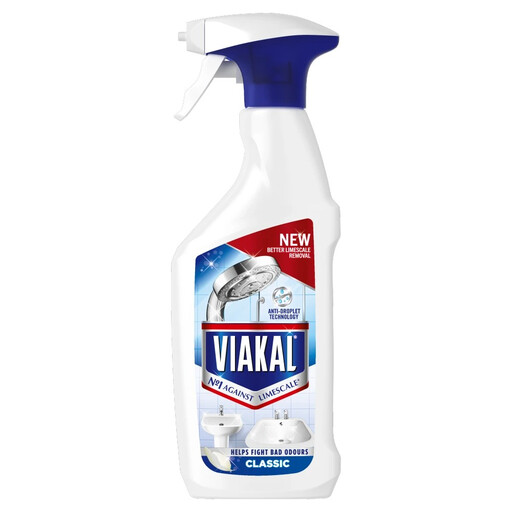
Why This Fits Their Persona: A ready-to-use 500ml spray suits tenants and households wanting a straightforward option for regular bathroom and kitchen cleaning.
The product information clearly lists surfaces such as chrome, ceramics and tiles, while advising against mixing it with other cleaning products.
Ready-to-use trigger spray; suitable for several common hard surfaces; formulated without chlorine, bleach or ammonia.
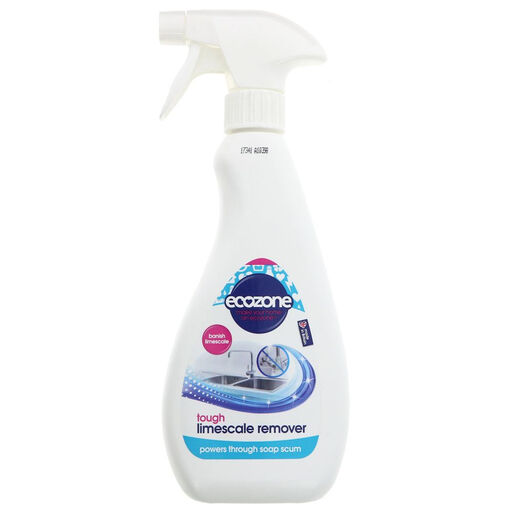
Why This Fits Their Persona: Suitable for shoppers prioritising a citric-acid-based formula and environmental or cruelty-free credentials alongside everyday cleaning performance.
Its instructions specify a five-to-ten-minute treatment for stubborn deposits and recommend rinsing, rather than suggesting unlimited contact time.
Contains citric acid and non-ionic surfactants; listed as suitable for ceramic, glass and stainless steel; Vegan Society approval is stated in the product information.
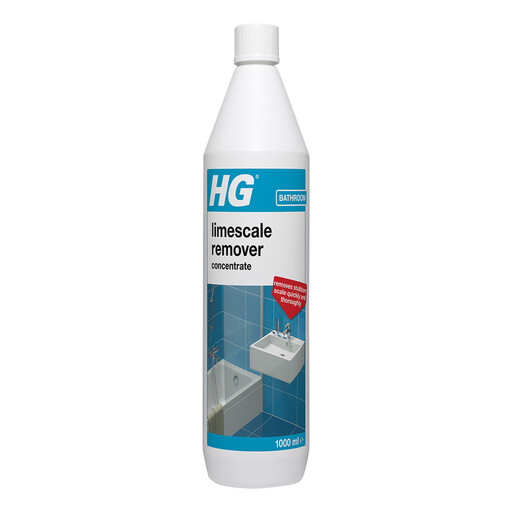
Why This Fits Their Persona: The 1-litre concentrate is suited to larger homes, facilities teams and professional cleaners handling repeated bathroom descaling tasks.
It is presented as a concentrate for bathroom deposits and showerheads, with instructions to test compatibility, ventilate and avoid mixing chemicals.
1-litre format; intended for stubborn bathroom deposits; can be used for showerhead soaking according to the supplied directions.
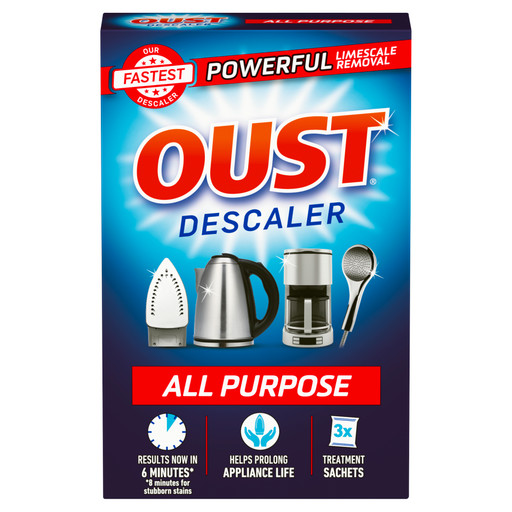
Why This Fits Their Persona: Measured sachets provide a practical option for households maintaining kettles, coffee machines, steam irons or compatible showerheads.
Each sachet contains 25ml, reducing dosing uncertainty. The instructions specify a six-minute treatment, or up to eight minutes for tougher deposits, followed by thorough rinsing.
Three pre-measured 25ml sachets; intended for several small appliances; compact storage format.
For routine cleaning, spray or apply the product evenly, respect the stated contact time and wipe with a damp cloth. Rinse the surface thoroughly and dry it to reduce new water marks. Wear gloves where advised and ensure suitable ventilation.
Never mix a hard water stain remover with bleach, drain cleaner or another descaler. Drain-cleaning gels are intended for blocked pipes and are not a substitute for bathroom limescale remover. Keep children and pets away from treated areas until they have been rinsed and dried.
Frequency depends on water hardness, household usage and how quickly deposits appear. Light marks can be treated when needed, while showerheads and kettles may require periodic descaling. Regular wiping and drying can reduce the amount of product required.
Only if the product instructions mention showerheads and the showerhead material is compatible. A dedicated showerhead descaler or suitable concentrate can be used according to its directions. Remove the showerhead for soaking only when the manufacturer’s instructions allow it, then rinse it thoroughly before refitting.
Many acidic formulas are not suitable for marble, travertine and other acid-sensitive stone. Check the label before use. For natural stone, choose a cleaner specifically marked as compatible, test a hidden area and avoid leaving any product on the surface longer than instructed.