
24/7 Customer Support

Free returns

Same-day & Next-day Delivery

Quality Guaranteed

Unlock Your Welcome Offers: FREE Delivery | Up to 80% OFF | Free 30-day JoyPlus trial
Download the APP
Living in the UK, particularly in a hard water area, means the battle against limescale is a familiar one. That chalky, stubborn residue that builds up in kettles and on taps can be especially frustrating when it appears in the toilet bowl. Despite regular cleaning, these unsightly brown or orange stains can persist, making the bathroom feel less than pristine.
I'm Joy, your Joybuy Product Recommendation Officer. My role is to help you navigate the crowded market of cleaning supplies and find practical solutions that get the job done. This guide is designed to cut through the marketing jargon, focusing on the features that matter when choosing an effective limescale toilet cleaner, so you can restore the sparkle to your bathroom with confidence.
Before we look at specific products, let's consider a few key factors that can help you make a more informed choice.
When dealing with a curved surface like a toilet bowl, the consistency of the cleaner is crucial. A thick toilet cleaner gel is designed to cling to the sides of the bowl, including under the rim. This extended contact time allows the active ingredients to work on dissolving tough stains and limescale, providing a deep clean toilet gel action that thinner, more watery formulas often can't match.
Standard toilet cleaners are great for general hygiene, but stubborn limescale requires a more targeted approach. A dedicated toilet descaler will typically contain specific acids (such as hydrochloric acid) formulated to break down the calcium and magnesium carbonate deposits that form limescale. Always check the product label for its ingredients and follow the usage directions carefully. For those who prefer to avoid certain chemicals, there are also effective thick bleach-free toilet cleaner options available.
A truly clean toilet is not just visibly stain-free but also hygienic. Many modern toilet cleaners double as a toilet disinfectant, formulated to kill common household germs. Additionally, a fresh scent toilet cleaner can neutralise unpleasant odours, leaving your entire bathroom smelling clean and refreshed long after you've finished the task.
Based on their features and intended use, here are some standout options for tackling limescale and keeping your toilet bowl pristine.
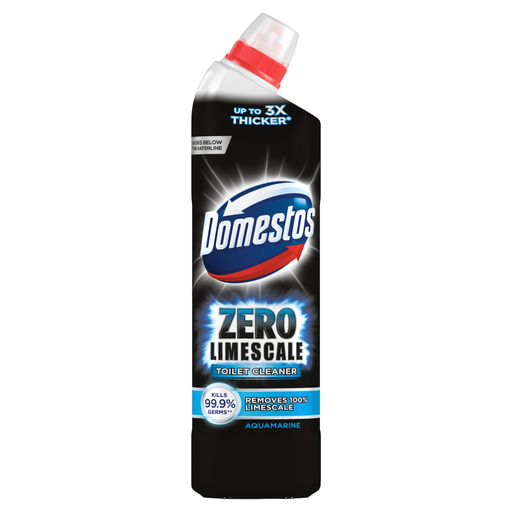
Why It Stands Out: This cleaner is specifically engineered to combat heavy limescale. Its formula is up to three times thicker than standard Domestos bleach, allowing it to adhere firmly to vertical surfaces, even below the waterline. According to the manufacturer, it is designed to remove 100% of limescale and kill 99.9% of microbes.
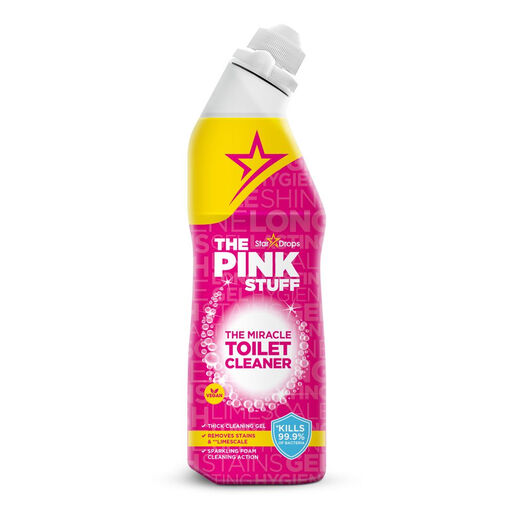
Why It Stands Out: Known for its distinctive fresh and fruity scent, this toilet cleaner gel combines effective cleaning with a pleasant user experience. Its thick gel consistency clings to the bowl to break down stains and limescale, while its foaming action helps lift away grime. The angled nozzle is designed for easy application under the rim.

Why It Stands Out: This product is built for speed and power. Harpic states its Power Plus formula offers 10 distinct cleaning actions and can begin removing limescale in just one minute. It is a potent disinfectant that kills 99% of bacteria, all while leaving behind a classic fresh citrus scent.
While a powerful gel is excellent for deep cleaning, you may be interested in other formats for daily upkeep. If you're looking for a different application method, such as a quick-use spray for maintaining a clean bowl between deep cleans, you might want to explore our range of toilet spray cleaner options.
This largely depends on the hardness of your water. In areas with very hard water, using a dedicated toilet descaler for a deep clean once a week is a good practice to prevent heavy buildup. For less severe cases or for daily maintenance, a standard toilet cleaner may suffice.
It is very important to always follow the manufacturer's instructions printed on the product label. Many powerful acid-based cleaners are designed for specific contact times, often between 10 and 60 minutes. Leaving them on for longer than recommended may not improve performance and could potentially damage the toilet bowl's surface over time.
While both are used for cleaning toilets, they serve different primary purposes. Bleach-based cleaners are excellent for whitening stains and disinfecting surfaces. However, they may not be the most effective solution for dissolving the tough mineral deposits of limescale. A specific limescale toilet cleaner typically uses an acidic formula designed to chemically break down and remove these mineral buildups common in hard water areas.