
24/7 Customer Support

Free returns

Same-day & Next-day Delivery

Quality Guaranteed

Unlock Your Welcome Offers: FREE Delivery | Up to 80% OFF | Free 30-day JoyPlus trial
Download the APP
Whether you're preparing for a new term at university, organising your thoughts for a big project at work or simply seeking a space for daily journaling, the right notebook can make all the difference. Yet, with so many options available, choosing one can feel surprisingly complex. The sheer variety of sizes, bindings and paper types can be overwhelming.
As the Joybuy Product Recommendation Officer, my role is to help you navigate these choices. This guide is designed to provide clear, practical advice to help you find the ideal lined notebooks for your specific needs, cutting through the marketing clutter to focus on what truly matters: functionality, quality and value.
Before we look at specific products, let's break down the key features to consider. Focusing on these three areas will help you narrow down your options and make a confident choice.
The size of your notebook dictates its primary use. In the UK, the most common choices are A4 and A5.
The binding affects both the durability and usability of a notebook.
The paper itself is arguably the most important component. Paper weight is measured in grams per square metre (GSM).
Based on these criteria, we've selected a few standout options that cater to different needs, from student life to professional work and personal journaling.
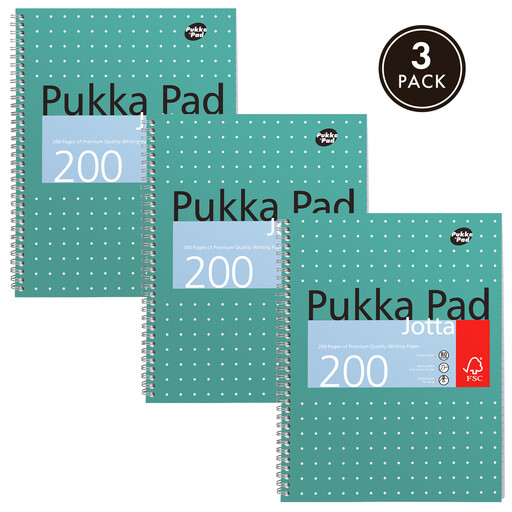
Why It Stands Out: The Pukka Pad Jotta is a familiar sight in lecture halls and offices for good reason. Its most practical feature is the perforated true A4 size pages. This means that when you tear a page out, the sheet itself remains A4, fitting perfectly into standard binders thanks to the 4-hole punched margin.
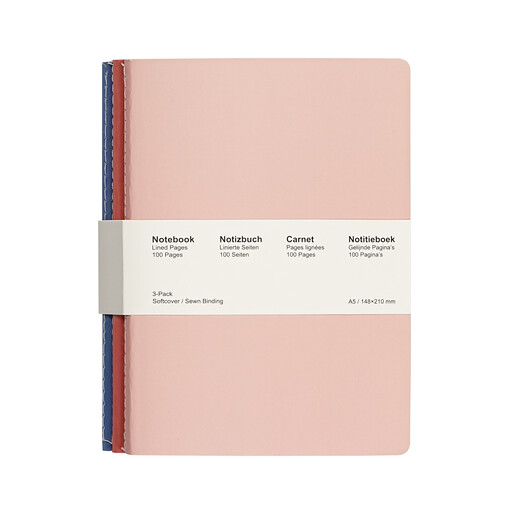
Why It Stands Out: This set of three A5 journals is designed for flexibility and convenience. The softcover and stitched binding make them incredibly lightweight and allow them to open flat without resistance. The cream-coloured paper is also gentler on the eyes during long writing sessions.
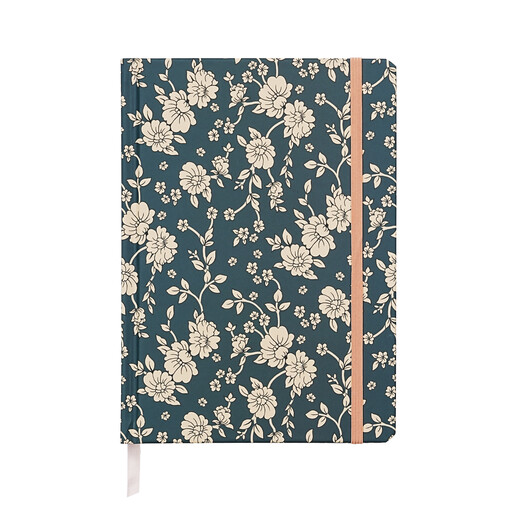
Why It Stands Out: This hardcover journal combines durability with elegant design. It features high-quality, thick 100g paper, which significantly reduces ink bleed-through, making it suitable for a wide range of pens. Thoughtful details like the bookmark ribbon and elastic closure band enhance its functionality for dedicated writing.
While these recommendations cover some of the most popular uses, your perfect notebook might have a different cover, size or paper style. If you're searching for dot grid paper, a different colour or a specific binding, we invite you to explore our complete collection.
Discover a wider selection in our Stationery and writing materials category to find the notebook that's just right for you.
1. What is a good GSM for notebook paper? For general everyday use with ballpoint or gel pens, 80 GSM paper is a solid standard that balances quality and cost. If you prefer using fountain pens or markers or simply enjoy a more substantial feel, look for paper that is 100 GSM or higher to minimise ink showing through to the other side.
2. What is the main difference between A4 and A5 notebooks? The primary difference is size. A4 notebooks (210 x 297 mm) are larger and better suited for in-depth, structured notes, such as those taken in lectures or business meetings. A5 notebooks (148 x 210 mm) are half the size, making them much more portable and ideal for journaling, quick notes and carrying with you throughout the day.
3. Is a wirebound or hardcover notebook better? This depends on your needs. A wirebound notepad is practical for note-taking as it lays flat and pages can be torn out easily. A hardcover journal offers better durability and protection for the pages inside, making it a better choice for long-term keepsakes, diaries or professional environments where a polished look is important.