For a flat, crisply pressed linen scarf, start with a compact conventional steam iron with adjustable heat and steam, provided the scarf’s care label permits ironing. Philips says steam helps remove creases from linen, but a handheld steamer does not give the same result as an iron. Choose a handheld steamer for quick hanging touch-ups when that softer finish is acceptable; consider a compact steam generator if scarves are part of frequent, longer ironing sessions and you have room for its separate base.
Who each option suits
Scarf owners seeking a crisp finish
If you want linen to look deliberately pressed rather than simply refreshed, heat and steam control matter more than having the smallest appliance. Philips’ linen-care and steamer guidance supports the distinction between ironing and steaming for this finish.
Occasional pressers in small flats
If you press only a few scarves, consider both where the appliance will go and how much you must set up each time. A separate steam-generator base may be awkward to accommodate even when the system is described as compact.
People making quick hanging touch-ups
If you mainly want to ease light creases before wearing a scarf, a handheld steamer avoids setting up an ironing board. Accept that, according to Philips, steaming is not a substitute for ironing when a pressed linen finish matters.
What matters when choosing
Compact conventional steam iron
Choose it when: You can press the scarf flat and want a smooth finish without storing a generator base.
Allow for: A suitable pressing surface and heat settings that follow the scarf’s care label.
Handheld garment steamer
Choose it when: A hanging touch-up and straightforward storage matter more than a sharply pressed result.
Allow for: Philips says a steamer will not give the same result as an iron on linen.
Compact steam-generator iron
Choose it when: Scarf pressing forms part of longer, frequent ironing sessions and a larger tank is useful.
Allow for: A separate base still needs storage space, even on a compact system.
For linen scarves in a small flat, decide what finish you need before comparing storage and setup. Each concern below represents consumers who would put that need first.
| Concern | What to check | Who this matters to |
|---|
| Pressed finish |
Look for adjustable heat and steam, then check that the scarf’s care label permits the intended setting. |
If I want a linen scarf to lie flat with a deliberate pressed finish, a quick refresh will not meet my main need; around 42% of consumers put that finish first. |
| Storage and setup |
Compare stored dimensions and weight, including any separate base or pressing surface needed. |
When cupboard space is tight and I press only an occasional scarf, I want an appliance I can put away easily; roughly 33% of consumers make storage and setup their priority. |
| Hanging touch-ups |
Confirm vertical-steaming capability and tank capacity on the exact model. |
If I need to ease light creases just before wearing a scarf, I would rather avoid setting up a board; about 25% of consumers prioritise that quick hanging touch-up. |
Mistakes to avoid
-
Expecting a handheld steamer to make linen look crisply ironed
Philips distinguishes steamers from irons and says they do not give the same result on linen. A compact appliance can therefore be convenient without meeting a pressed-finish goal.
Choose a conventional steam iron if that finish is essential; consider a steamer when easing light creases is enough.
-
Using one heat setting for every linen scarf
A scarf’s blend, lining, print or trim can change how it should be treated, regardless of the linen in its main fabric.
Follow the individual care label. For a delicate finish, test an inconspicuous area or use a pressing cloth where the care instructions allow it.
-
Overlooking scale maintenance
Philips says scale in steam appliances can contribute to brown water, staining and leaks.
Before choosing a model, check its descaling instructions and the maintenance it requires, particularly if you live in a hard-water area.
-
Assuming a plug adaptor resolves an electrical mismatch
Electrical Safety First states that adaptors do not convert voltage or frequency. A plug that fits is not, by itself, evidence that an appliance suits UK mains use.
Check the exact product’s voltage and frequency information, plug arrangement, manufacturer instructions and seller details before ordering.
Relevant brands to compare
Philips
Offers conventional steam irons, steam-generator systems and handheld garment steamers for comparing different ways to care for linen scarves.
- Philips’ guidance says steam helps remove linen creases more efficiently.
- Philips also says a handheld steamer does not achieve the same result as an iron on linen; compare the exact appliance rather than assuming its formats are interchangeable.
Tefal
Has conventional steam irons and compact steam-generator options to consider if the choice is between a single iron and a larger-tank system.
- Tefal describes lightweight irons and a compact steam-generator model with a larger tank; these are claims about particular products, not every Tefal appliance.
- Check the exact model’s weight, stored size and features before deciding whether it fits your cupboard and pressing routine.
Xiaomi
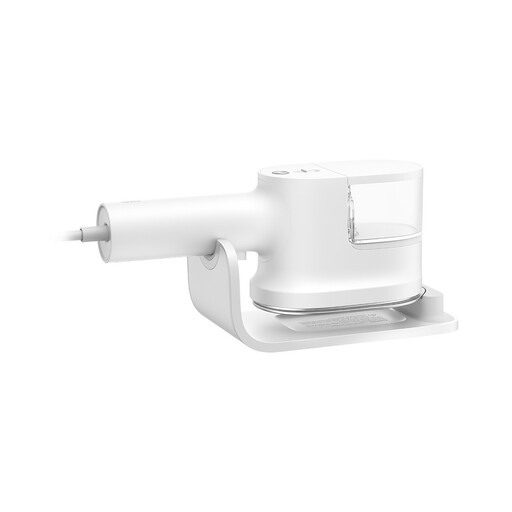
Its BS502CN handheld steam iron is an example of a compact hybrid format for shoppers considering both dry and wet ironing modes.
- The Joybuy listing describes dry and wet modes and temperature control for BS502CN.
- Those listed features do not establish that it will match a conventional iron’s finish on linen; check the exact model’s suitability for your scarf.
Joybuy options for touch-ups
These handheld options are worth considering if small-flat storage and occasional scarf touch-ups take priority over a crisply pressed linen finish. Check each scarf’s care label before applying heat or steam.
 No image available
Xiaomi BS502CN Handheld Steam Iron
Consider this handheld model if you want the option of a hanging touch-up as well as dry or wet ironing. Its listing states vertical use, dry and wet modes, temperature control and 1200 W; check its stored dimensions and UK electrical suitability before buying. Philips’ guidance cautions that handheld steaming does not produce the same pressed result as ironing linen.
View on Joybuy
 No image available
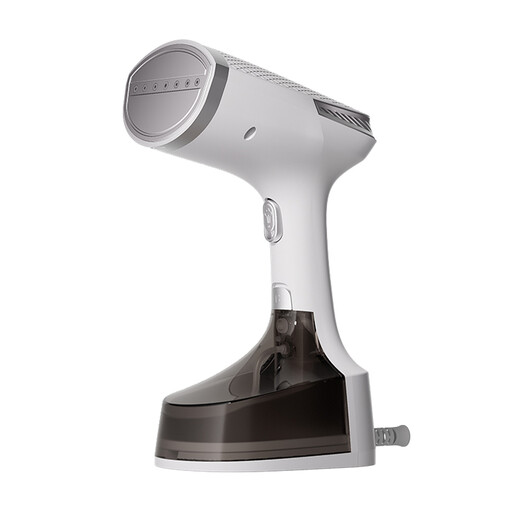
BUFFi5 JOY 1600 W Handheld Garment Steamer, 300 ml, UK Plug, White
Consider this handheld steamer for occasional scarf refreshes if a sharply pressed finish is not your priority. The product name specifies 1600 W, a 300 ml water tank and a UK plug; confirm its stored size, whether it supports the way you intend to steam the scarf, and its voltage and frequency suitability. A UK plug alone does not resolve a voltage mismatch.
View on Joybuy
Common questions
Is a handheld steamer enough for a linen scarf?
It can be enough to ease light creases when you can accept a softer finish. Philips says a garment steamer will not give the same result as an iron on linen, so choose an iron if you want the scarf pressed flat.
Should I use steam when pressing linen?
Use steam if the individual scarf’s care label permits it. Philips says steam helps remove creases from linen more efficiently, but the label should guide your heat and steam settings, particularly for scarves with blends or trims.
Do a few linen scarves justify a steam-generator iron?
For occasional scarves in a small flat, a compact conventional steam iron is usually the more proportionate format. A steam generator is worth considering if you also iron for longer periods and can store its separate base; Tefal describes a larger tank on its compact steam-generator model.
What maintenance should I check on a steam appliance?
Check the exact model’s cleaning and descaling instructions before purchase, then follow them during use. Philips warns that scale can contribute to brown water, staining and leaks, particularly in hard-water areas.
What electrical details matter for an iron used in the UK?
Confirm that the exact appliance’s voltage, frequency and plug arrangement suit UK use. Electrical Safety First states that UK mains supply is 230 V at 50 Hz and that a travel adaptor does not convert voltage or frequency.


