What matters when choosing
Start with the Linux environment you intend to learn, then check how the computer and its peripherals will fit through the desk’s full height range. Add capacity for a larger lab only when that workload is part of your plan.
| Concern | What to check | Who this matters to |
|---|
| Linux compatibility |
Check the exact operating-system option or certification record, including relevant components. |
I want my first installation to focus on learning Linux, not identifying a hardware mismatch. Around 36% of consumers put that setup certainty first. |
| Standing-desk fit |
Measure usable space and check cable reach throughout the desk’s travel. |
My screen and input devices need room when the desk moves, even if the PC itself is small. This is the primary concern for roughly 29% of consumers. |
| Learning capacity |
Choose memory and storage for your planned tools and check upgrade options. |
I expect to add an editor, browser tabs or a virtual machine, so installation requirements alone will not settle my choice. About 21% of consumers prioritise that working capacity. |
| Advanced expansion |
Identify the demanding local workload before comparing tower configurations. |
If I plan sustained virtual-machine or compute-heavy projects, I need to assess expansion rather than simply choose the smallest chassis. Around 14% of consumers make that their primary need. |
Joybuy products for this topic
This compact, AI-focused desktop is relevant if learning within NVIDIA DGX OS is your aim. Check that its environment fits your intended Linux course or tools before treating it as a general Ubuntu learning PC.
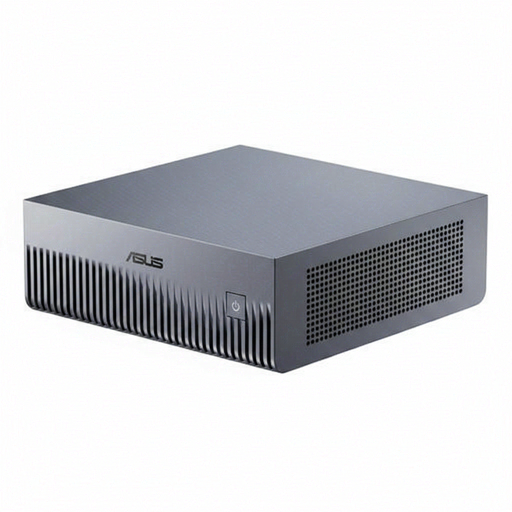 Image unavailable
ASUS Ascent GX10 — NVIDIA GB10, 128GB, 1TB NVMe SSD
Consider this configuration if you specifically intend to learn or work within NVIDIA DGX OS; confirm that your chosen distribution, tools and course instructions fit that environment.
The listed configuration names NVIDIA GB10 Grace Blackwell, 128GB unified memory, a 1TB NVMe SSD and NVIDIA DGX OS.
Check the power-source requirements and what peripherals are supplied before ordering, and consider whether the memory configuration suits your future plans.
View on Joybuy
Frequently asked questions
What does a desktop need to install Ubuntu?
Canonical’s Ubuntu Desktop download page lists a 2 GHz dual-core processor or better, 6 GB of memory and 25 GB of free storage, with USB or DVD installation media. These are installation requirements, not a specification for several virtual machines or demanding development tools.
Should I choose Linux preinstalled?
A desktop offered with Linux on the exact configuration can make the initial setup more straightforward. If you plan to install it yourself, check the selected hardware against the distribution’s requirements and any model-specific certification record.
Where should the monitor and keyboard go on a standing desk?
The Health and Safety Executive advises placing the top of the screen at about eye level, with the screen roughly an arm’s length away and the keyboard just below elbow height. Check those positions, mouse placement and cable reach as you adjust the desk.
Does using the desktop for work affect workstation requirements?
For employees who use display screen equipment daily as part of normal work continuously for an hour or more, the UK Health and Safety Executive says employers must carry out a workstation assessment. Check how the work setup is assessed if the standing desk will serve both employment and personal learning.
What should I check before ordering a System76 desktop for the UK?
Confirm delivery to your address, the keyboard layout, power connection and warranty or repair arrangements. System76’s international shipping terms are relevant when deciding whether an overseas, Linux-preinstalled desktop suits your setup.


