
24/7 Customer Support

Free returns

Same-day & Next-day Delivery

Quality Guaranteed

Unlock Your Welcome Offers: FREE Delivery | Up to 80% OFF | Free 30-day JoyPlus trial
Download the APP
If you are comparing a lion's mane mushroom supplement for study, work or general mental clarity, the label can make simple choices feel complicated. Extract ratios, mushroom parts, beta-glucans and serving sizes are often presented in large numbers, while the details that affect suitability are easy to miss.
The main concern is not finding the product with the biggest headline figure. It is identifying a formula that clearly explains what it contains, how to take it and whether it fits your dietary and practical needs.
A product may state “4,000mg equivalent”, but this can refer to the amount of raw mushroom used before extraction rather than the physical extract weight. For a meaningful comparison, check both figures. For example, a 12:1 extract may provide 333.33mg of extract per daily serving, equivalent to 4,000mg of fruiting body material.
Lion’s mane can be made from the mushroom’s fruiting body, mycelium or a mixture. These are not interchangeable descriptions. Buyers looking for a lion's mane fruiting body extract should check the ingredients list rather than relying only on the front of the pack. It is also useful to see whether grain carriers, starch or other fillers are included.
A lion's mane powder can be added to porridge, smoothies or drinks, but it may have an earthy taste and requires accurate measuring. Lion's mane capsules and lion's mane tablets are more portable and offer a pre-measured serving. The most suitable format is the one you can use consistently and comfortably.
Look for a clear statement of the mushroom species, usually Hericium erinaceus, and whether the product uses fruiting bodies. Standardisation may refer to polysaccharides or lion's mane beta-glucans. These figures help compare products, but they do not automatically predict an individual result.
For instance, KIKI Health’s capsule product lists 400mg of fruiting body extract per capsule and 50% polysaccharides. Osavi’s 600mg capsule lists a 30:1 fruiting body extract with at least 40% polysaccharides and 120mg beta-glucans per capsule. Always compare the amount per serving, not just the extraction ratio.
Check how many capsules or tablets make up the daily serving. A 120-tablet pack taken at two tablets daily provides 60 days, whereas a 60-capsule pack taken at one capsule daily provides 60 servings. This makes pack size easier to compare and helps you estimate ongoing cost.
Do not exceed the stated dose. Food supplements should be used alongside a varied diet and healthy lifestyle, not as a replacement for professional medical care.
For a vegan lion's mane supplement, check whether the capsule shell is made from hydroxypropyl methylcellulose and whether the formula contains dairy, gluten, wheat, soy or added sugars. People with allergies or coeliac disease should read the current packaging carefully, even when a product description lists it as allergen-free.
A single-ingredient formula is easier to evaluate. Blended products may also include ginkgo, vitamin C, black pepper or other mushrooms, which could suit shoppers seeking a broader mushroom brain supplement, but may be less appropriate if you want to isolate lion’s mane intake.
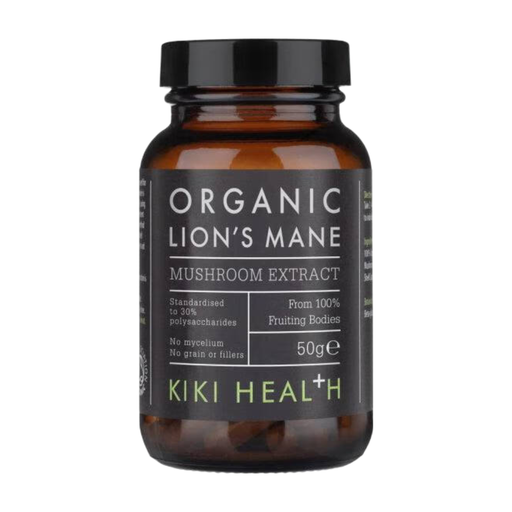
Why This Fits Their Persona: A straightforward powder format for adults who already add supplements to smoothies, porridge or drinks and prefer a single-ingredient formula.
The listing identifies 100% organic Lion’s Mane fruiting body extract and a 1g daily maximum, rather than presenting only a large raw-mushroom equivalent.
Organic fruiting body extract; suitable for vegan, vegetarian, gluten-free and dairy-free diets according to the product information.
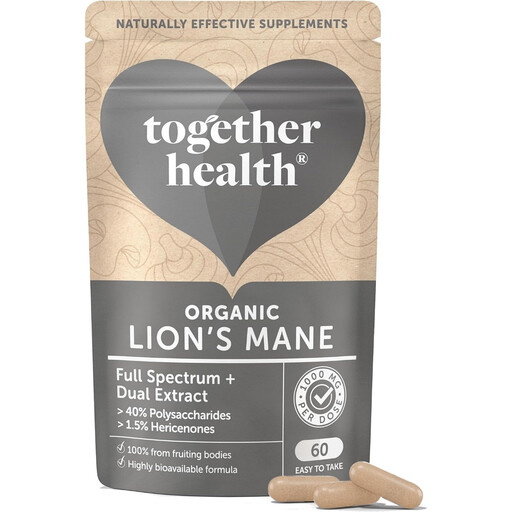
Why This Fits Their Persona: Suitable for shoppers prioritising organic fruiting bodies, extraction detail and quantified active compounds in a capsule format.
It specifies both a 20:1 dual extract and a 1:1 full-spectrum extract, with fruiting bodies stated for both ingredients.
Two-capsule serving provides 1,000mg total listed extracts; product information states more than 30% beta-glucans and a vegan capsule shell.
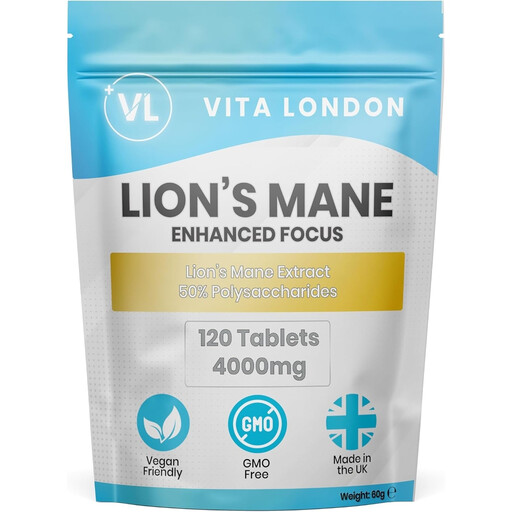
Why This Fits Their Persona: Designed for adults who want a measured tablet routine and a longer supply for regular daily use.
The label separates the 333.33mg extract from the 4,000mg fruiting body equivalent and states minimum polysaccharide and beta-glucan levels.
Two compact tablets per day; 120 tablets provide a stated 60-day supply, and the formula is listed as vegan and free from several common allergens.
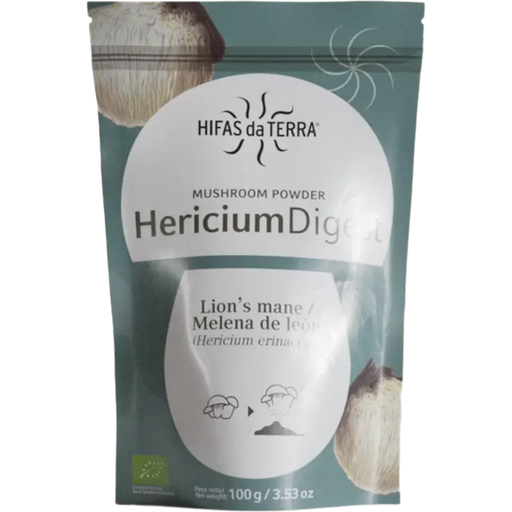
Why This Fits Their Persona: A practical choice for adults who prefer mixing powder into soups, yoghurt, smoothies or other foods.
The product gives a serving range of approximately 5g to 10g and lists its nutritional composition, including fibre and beta-glucans.
Organic Lion’s Mane powder; listed as free from gluten, soy, dairy, sugar and sweeteners, and suitable for vegan diets.
Follow the serving instructions on the packaging. Tablets and capsules are generally taken with water, while powder can be measured into food or a drink. Taking it at a consistent time may make the routine easier to maintain. Do not combine products or increase the dose without checking with a healthcare professional.
This depends on the pack size and serving instruction. A 60-capsule product taken once daily provides 60 servings; a 120-tablet product taken as two tablets daily provides 60 servings. Store the product in a cool, dry place and check the best-before date and seal.
These products are generally intended for adults, but suitability depends on the individual formula and personal circumstances. Anyone who is pregnant, breastfeeding, allergic to mushrooms, taking prescription medication, managing a medical condition or preparing for surgery should seek advice from a healthcare professional before use. Always read the latest label, warnings and ingredient list before purchasing.