
24/7 Customer Support

Free returns

Same-day & Next-day Delivery

Quality Guaranteed

Unlock Your Welcome Offers: FREE Delivery | Up to 80% OFF | Free 30-day JoyPlus trial
Download the APP
Dealing with dry, uncomfortable lips is a year-round issue for many of us in the UK, from the biting winter winds to the dry air of a centrally heated office. The market is flooded with options, all promising instant relief. Yet, finding a truly effective lip balm can feel like a frustrating cycle of trial and error.
As the Joybuy Product Recommendation Officer, my role is to help you cut through the clutter. Many products offer a fleeting sense of moisture, while some can even make the problem worse. Before you spend another pound, let's look at the common purchasing pitfalls that lead to disappointment.
Pitfall 1: The "Temporary Fix" Cycle Some lip balms provide an immediate cooling or slick sensation but contain ingredients that can lead to further dryness over time. High concentrations of camphor, menthol, or certain alcohols can cause a cycle of dependency, where your lips feel drier once the product wears off, prompting you to reapply constantly.
Pitfall 2: The "Natural" but Ineffective Formula A natural lip balm or vegan lip balm label is appealing, but it doesn't automatically guarantee performance. Many formulas rich in natural oils feel pleasant on application but lack the key components needed to form a protective barrier. Without this, any moisture they provide quickly evaporates, leaving your lips exposed and just as dry as before.
To make a smart choice, it helps to understand the basic science of a good moisturising lip balm. An effective formula typically balances three types of ingredients:
Beyond ingredients, consider the format and features that fit your lifestyle:
Instead of a one-size-fits-all approach, the right lip balm depends on your specific needs. Here are a few options matched to different user profiles.
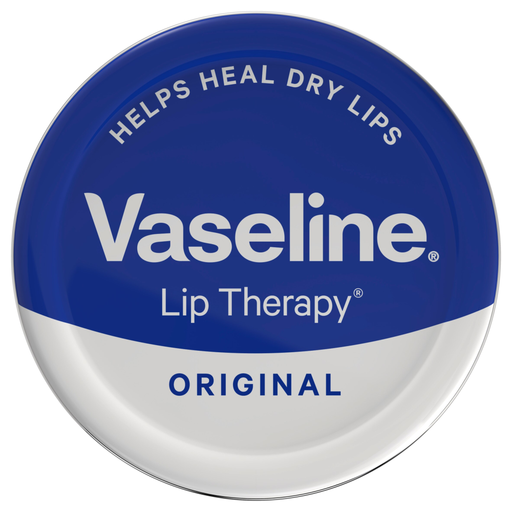
Why This Fits Their Persona: This user needs a reliable, no-fuss solution that works without complication. The iconic lip balm tin is perfect for the desk, bedside table or coat pocket, offering proven protection against the elements.
It avoids the "temporary fix" by focusing on a single, highly effective occlusive (petrolatum) that creates a durable barrier to lock in moisture, rather than using potentially irritating ingredients.
Its triple-purified formula is non-greasy and provides a simple, effective seal to help lips heal. It is an affordable and dependable choice for basic lip care for dry lips.
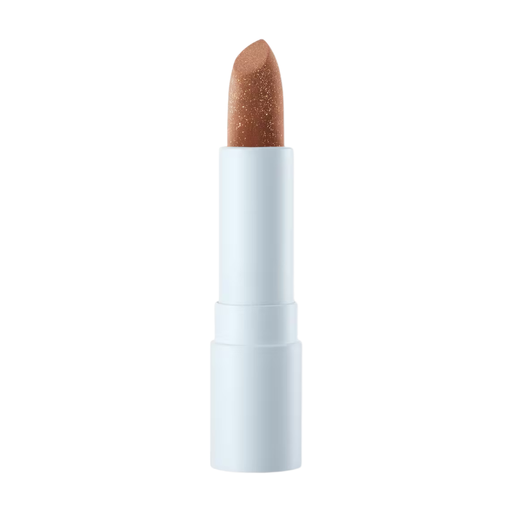
Why This Fits Their Persona: This user wants a product that is both functional and fashionable. They appreciate ethical formulations and a cosmetic finish that enhances their natural look for daily wear, from the office to an evening out.
It avoids the "natural but ineffective" trap by combining nourishing emollients (Shea Butter) with plant-based waxes that form a melting moisture barrier, effectively sealing in hydration while remaining 100% vegan.
This tinted lip balm offers a sophisticated nude-coral tint with fine, non-gritty shimmer for a "your-lips-but-better" look. The creamy texture is non-sticky and provides a subtle cooling sensation.
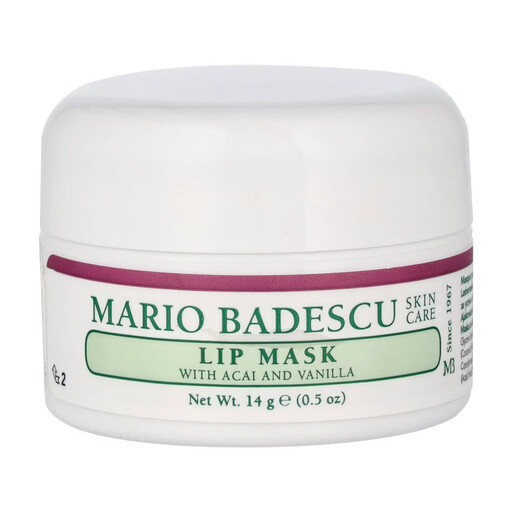
Why This Fits Their Persona: This individual suffers from persistently dry or chapped lips and needs more than a standard daily balm. They are looking for a powerful chapped lip treatment to restore comfort, especially overnight.
It is specifically designed as an overnight lip mask, providing a thick, rich texture that standard balms lack. This ensures the nourishing ingredients stay put for hours, delivering intensive repair rather than a temporary coating.
The formula is packed with emollients like shea butter and coconut oil, plus antioxidant-rich acai. It can be used as a heavy-duty daytime balm or as an overnight treatment to promote soft, supple lips by morning.
We have compiled a complete, real-time list of products that fully satisfy these strict selection criteria and UK safety regulations.
A good quality lip balm should not require constant reapplication. Generally, applying in the morning, after meals and before bed should be sufficient. If you find yourself reaching for it every hour, it may be a sign that your product is not providing long-lasting hydration, and it might be time to switch to a formula with better occlusive ingredients.
Absolutely. The skin on your lips is thinner and contains less melanin than the rest of your face, making it highly susceptible to sun damage. UVA/UVB exposure can lead to dryness, premature ageing and loss of volume. Using a lip balm with at least SPF 15 daily is a crucial step in protecting your lips, even on overcast days.