
24/7 Customer Support

Free returns

Same-day & Next-day Delivery

Quality Guaranteed

Unlock Your Welcome Offers: FREE Delivery | Up to 80% OFF | Free 30-day JoyPlus trial
Download the APP
A lip balm can be a small purchase, but choosing the wrong one may leave you with a product that feels uncomfortable, disappears after a few minutes or does not suit your daily routine. UK weather adds further challenges: cold wind, indoor heating and occasional strong sunlight can all contribute to dry-feeling lips.
Before buying, look beyond attractive packaging and familiar claims. The right lip balm should match your skin sensitivity, preferred finish and typical use, whether you need a simple moisturising lip balm, a tinted lip balm or a lip balm with SPF.
Mint, menthol, camphor, citrus and fragrance can create a cooling or refreshing sensation. However, this feeling does not necessarily indicate longer-lasting moisture. Some people with sensitive lips may also prefer to avoid fragranced formulas or ingredients that cause tingling.
Check the full ingredient list rather than relying on terms such as “refreshing”, “intensive” or “repairing”. If your lips are easily irritated, choose a simpler formula and stop using it if redness, itching or burning develops.
A tinted lip balm can add a practical wash of colour, but appearance-focused formulas may not provide the texture you need for severely dry lips. A glossy finish is also not the same as a protective layer.
For everyday colour, look for emollient ingredients such as plant oils, shea butter or petrolatum alongside the tint. If your lips are chapped, consider using an un-tinted protective lip balm first, then adding colour once the surface feels comfortable.
A lip balm with SPF can be useful for outdoor walks, holidays and commuting, but protection depends on applying enough product and reapplying after eating, drinking, swimming or towelling. SPF does not remove the need to limit prolonged exposure to strong sunlight.
Check the stated SPF and whether the product offers UVA and UVB protection. A higher SPF may be preferable for extended outdoor use, while a basic balm may be more convenient for routine indoor care.
For lip balm for dry lips, look for ingredients that reduce moisture loss and improve comfort. Petrolatum, beeswax and plant waxes can form a surface layer, while sunflower oil, shea butter, cocoa butter and jojoba oil contribute emollient properties.
Glycerin is a humectant that helps attract water to the skin’s surface, but a well-balanced formula should also include oils, waxes or other ingredients that help retain it. A nourishing lip balm does not need a long ingredient list; suitability matters more than the number of ingredients.
Stick formats are easy to apply without using your fingers and are convenient for pockets, handbags and travel. Tins and pots can hold richer textures, although they require finger application and should not be shared.
Consider how often you will reapply. A balm that feels too waxy, greasy or sticky may be left unused, even if its ingredients appear suitable. A smooth glide is particularly useful underneath lipstick, while a thicker product may work better as an overnight lip mask.
Those looking for lip balm for sensitive lips should review fragrance, essential oils, flavourings and cooling ingredients carefully. “Natural lip balm” does not automatically mean irritation-free, and “vegan lip balm” refers to animal-derived ingredients rather than universal skin suitability.
Beeswax and honey are present in some formulas, while others are designed without animal-derived ingredients. Always check the current packaging, as ingredient lists and product formulations can change.
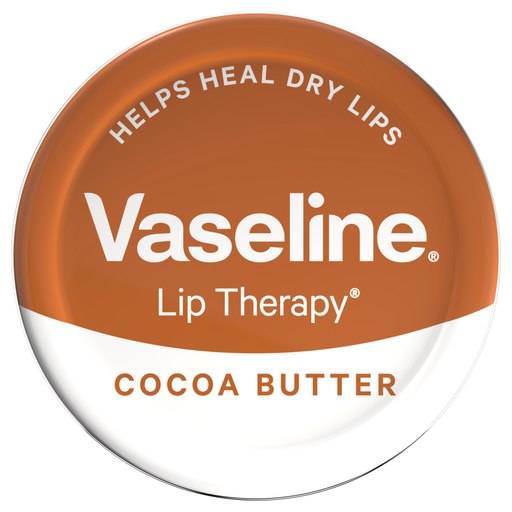
Why This Fits Their Persona: A compact 20g tin is practical for keeping in a handbag, desk drawer or coat pocket, with a straightforward format for regular daily use.
It focuses on petrolatum and cocoa seed butter rather than relying only on shine or flavour to appeal to shoppers seeking lip balm for chapped lips.
20g format; cocoa butter included; suitable for applying as needed throughout the day.

Why This Fits Their Persona: Its 9g presentation and richer balm texture suit shoppers who value a premium lip care ritual and a refined mint-scented application.
The product information clearly identifies petrolatum, waxes and emollients, allowing buyers to assess its moisture-sealing structure instead of judging only by luxury positioning.
9g size; rich emollient-based formula; can be applied before lip colour.
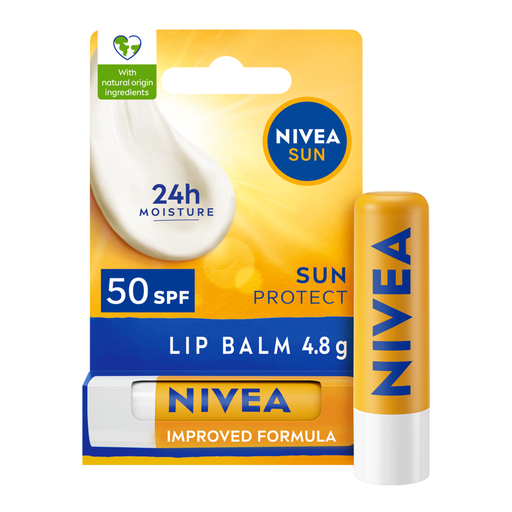
Why This Fits Their Persona: Designed for walks, travel and outdoor activities, it combines SPF50 with a compact 4.8g stick format and water-resistant specification.
The SPF level is clearly stated, helping prevent buyers from mistaking an ordinary moisturising balm for dedicated sun protection.
SPF50; water-resistant specification; shea butter and oils included.
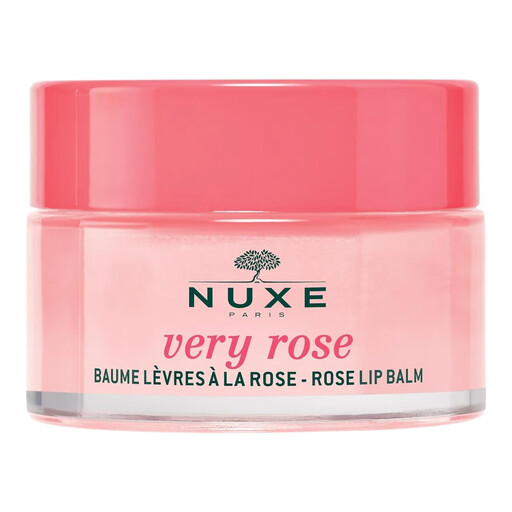
Why This Fits Their Persona: This 15g balm suits shoppers wanting a soft rosy sheen by day and an overnight lip mask format before bed.
It provides a clearly described dual-use format, so the tint and fragrance are paired with a thicker application option for night-time care.
100% naturally derived ingredients stated by the product description; rose and shea butter; daytime and overnight use.
We have compiled a complete, real-time list of products that fully satisfy these strict selection criteria and UK safety regulations.
Apply it whenever your lips feel dry, particularly after eating, drinking or washing your face. A thin, even layer is usually sufficient. For an overnight lip mask, apply a more generous layer before bed, following the product directions.
Storage and shelf life vary by product. Check the packaging for the expiry date, open-jar symbol or batch information. Keep balm away from excessive heat and direct sunlight, and do not use it if the colour, smell or texture has changed.
It can be, provided the formula feels comfortable and contains suitable moisturising or occlusive ingredients. If a tint stings or makes dryness feel worse, switch to a plain formula and check the ingredient list for fragrance, flavourings and potential sensitivities.